Buying guide
Dahlia tubers online
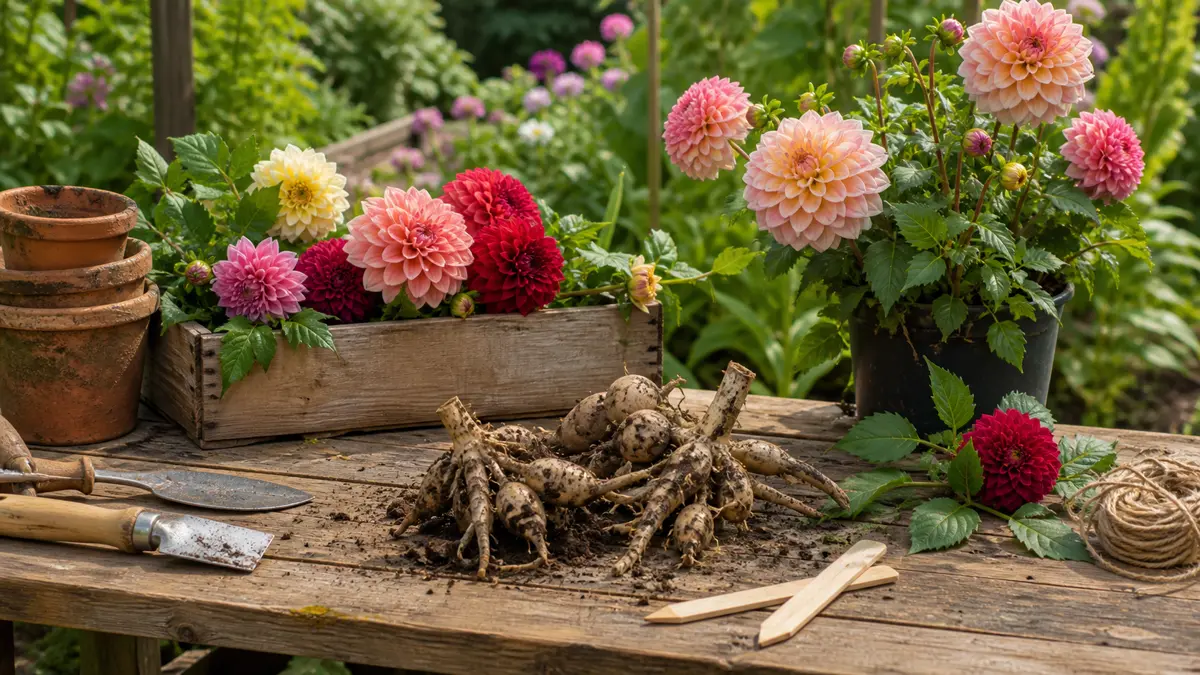
When ordering dahlia tubers, check cultivar name, crown condition, dispatch timing and frost-free holding space.
Seeds, dahlias, kitchen gardens and growing space
Seeds, dahlias, kitchen-garden crops, greenhouses, containers and meadow planting do not fit the same calendar or space. Use the guides to check storage, sowing, water and seasonal care before committing a bed or container.
Start with the conditions that a product description cannot change. Check how quickly the soil warms, where the water will come from, and whether seedlings, new plants or containers can be watched closely while they establish.
The garden guides cover dahlia storage, seed-sowing windows, greenhouse ventilation, kitchen-garden crops, meadow establishment and container care. Each subject calls for its own decision about timing, soil, space, watering or follow-up.
Buying guides
Seeds, bulbs, tubers, furniture, irrigation and greenhouses all fail in different ways. These guides focus on label details, delivery timing, storage, drainage, anchoring and whether the garden can support the item after it arrives.
Buying guide
When ordering dahlia tubers, check cultivar name, crown condition, dispatch timing and frost-free holding space.
Buying guide
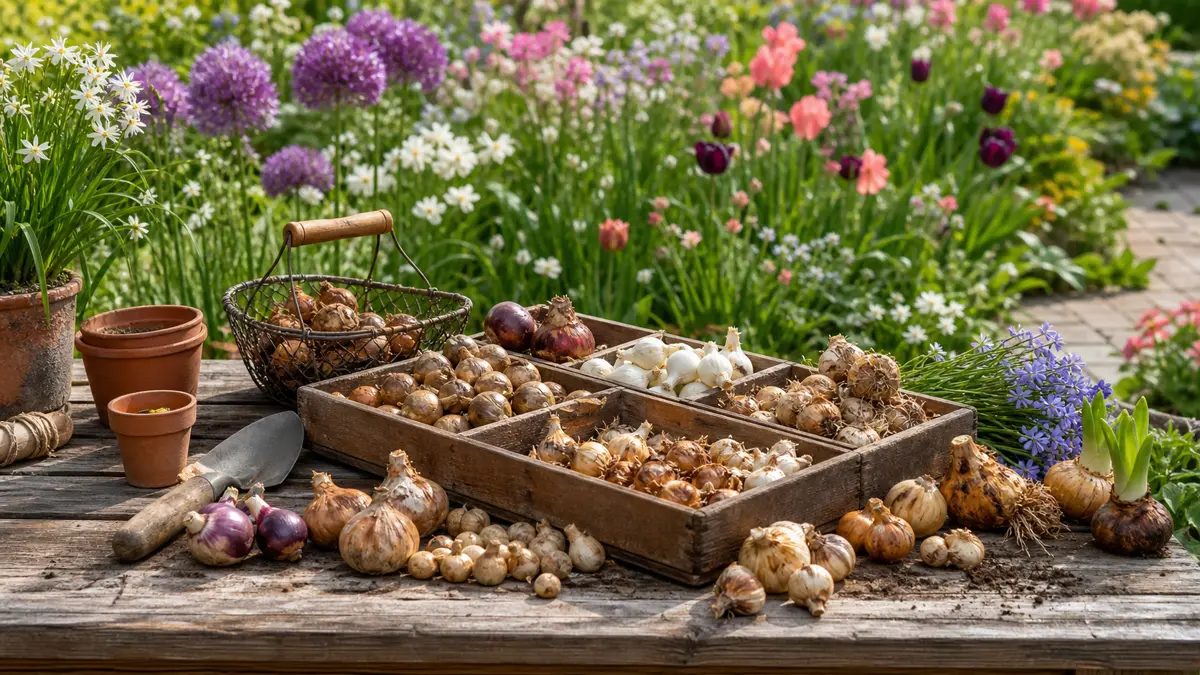
Flower bulbs ordered online need clear bulb size, firmness, planting depth and dry storage until the right window.
Buying guide
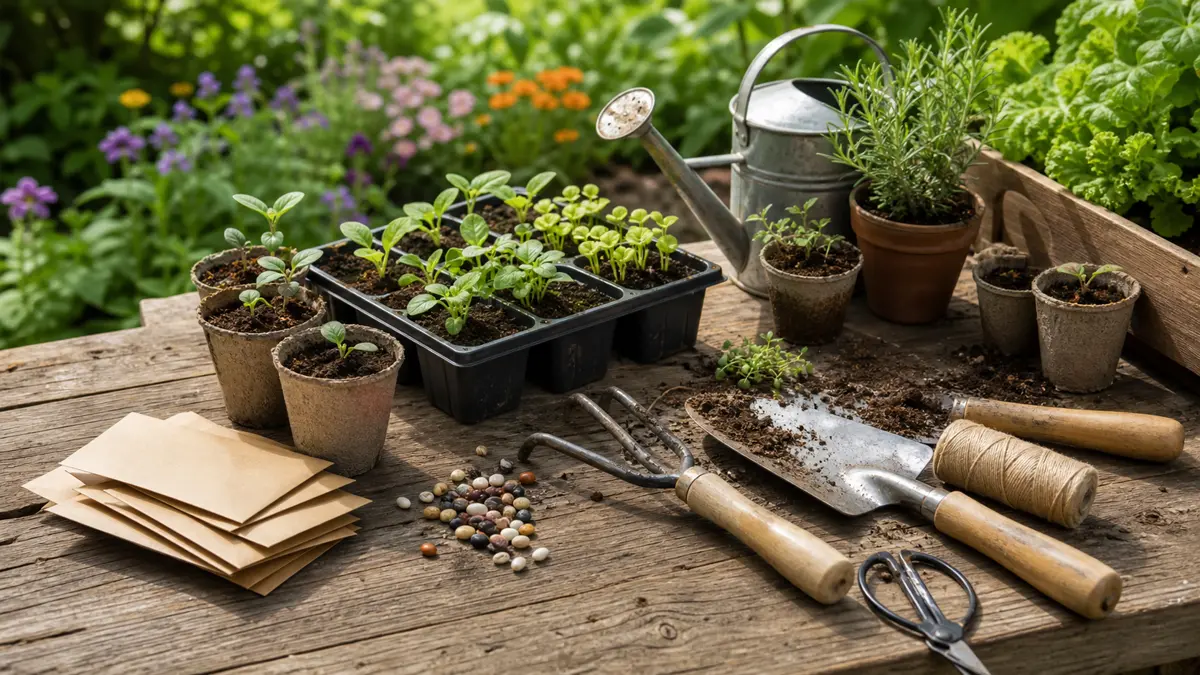
Seed packets are useful only when expiry date, germination expectations, crop cycle and seedbed plan match your season.

Buying guide
An online garden shop is judged by delivery timing, returns, plant condition and where a parcel can wait safely.
Buying guide
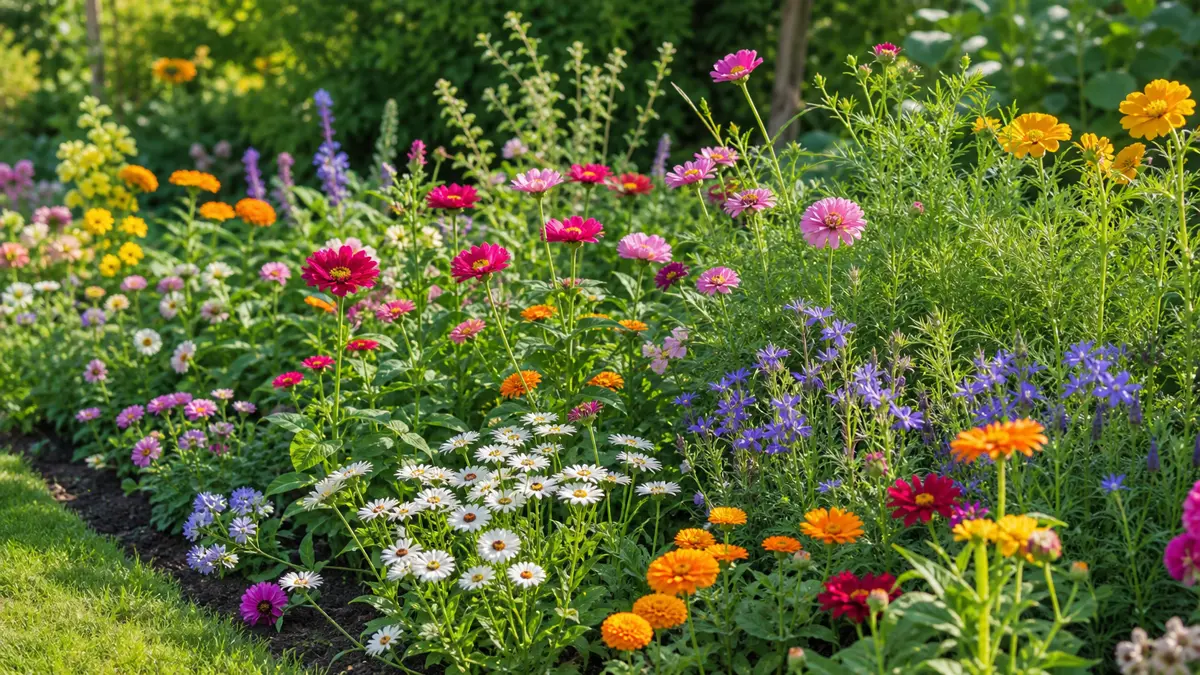
Annual flowers from seed need a prepared seedbed and a realistic watering route before tiny seedlings meet weeds or a dry week.
Cutting garden
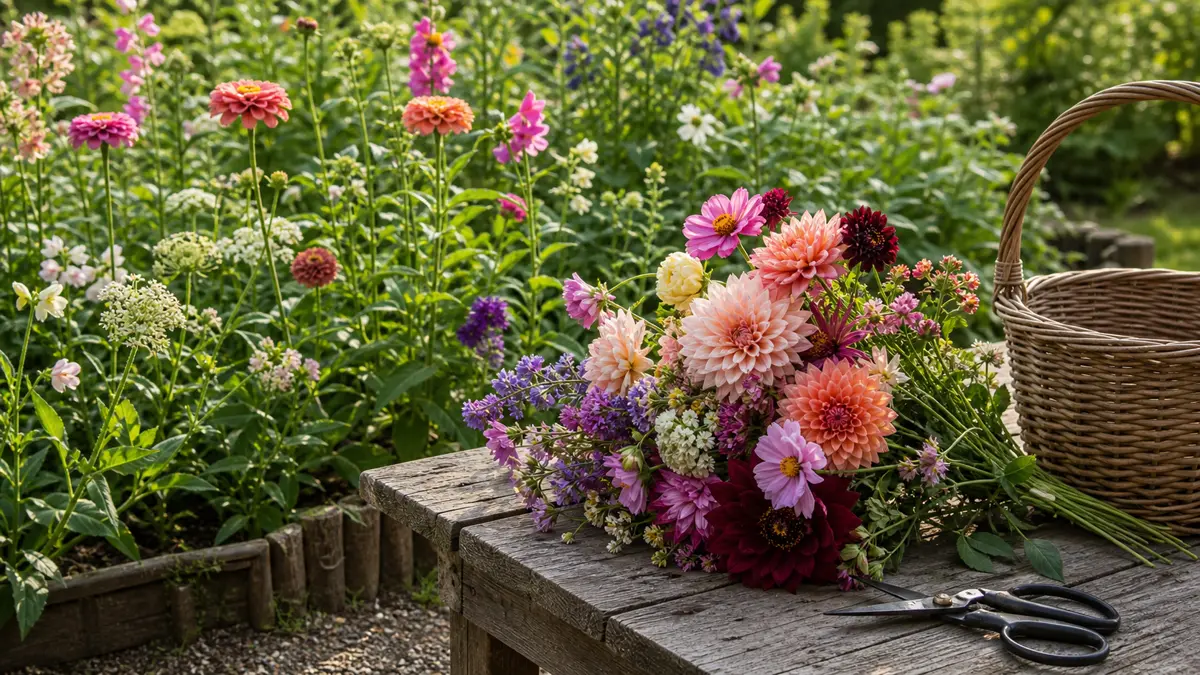
Lay out paths, support and a water station before sowing so each cutting row can be harvested without crushed roots or thirsty stems.
Garden planning
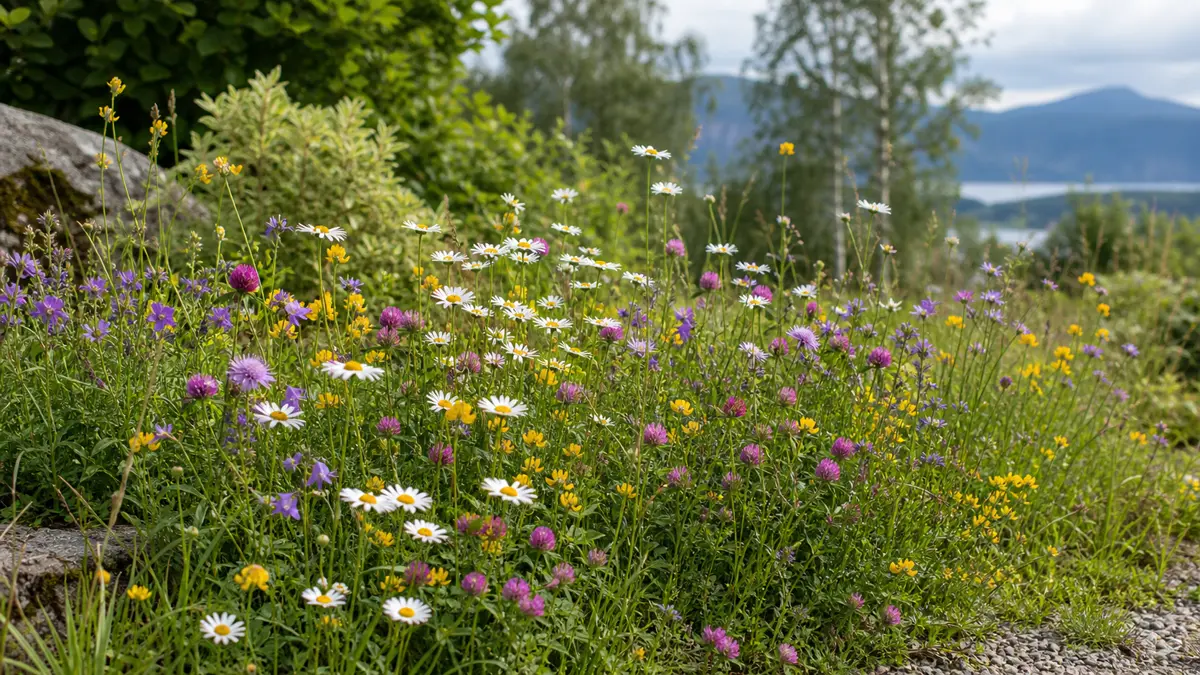
Separate meadow, annual patch and bee lawn first; then tackle fertility, perennial weeds and seed-to-soil contact before sowing.

Garden planning
Find the quiet weeks in the flowering calendar, then add plants and habitat that extend the border's value beyond one colorful peak.
Ornamental containers
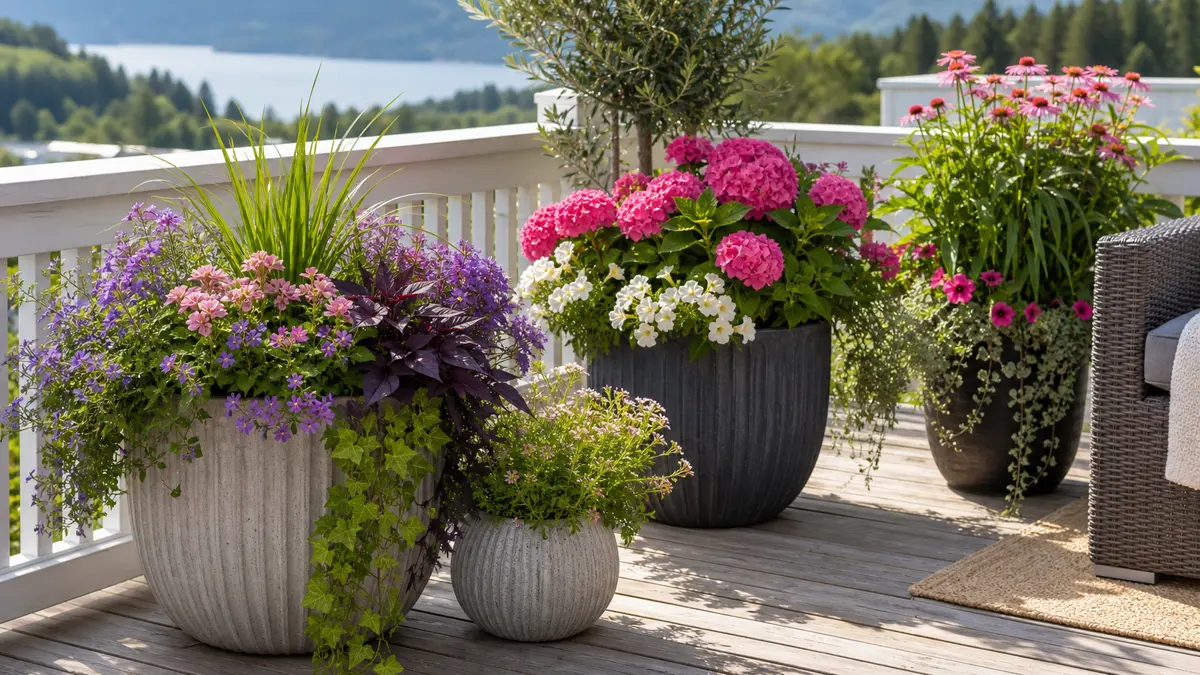
Container flowers depend on pot volume, drainage holes, fresh compost and a watering rhythm you can keep.
Annual flowers
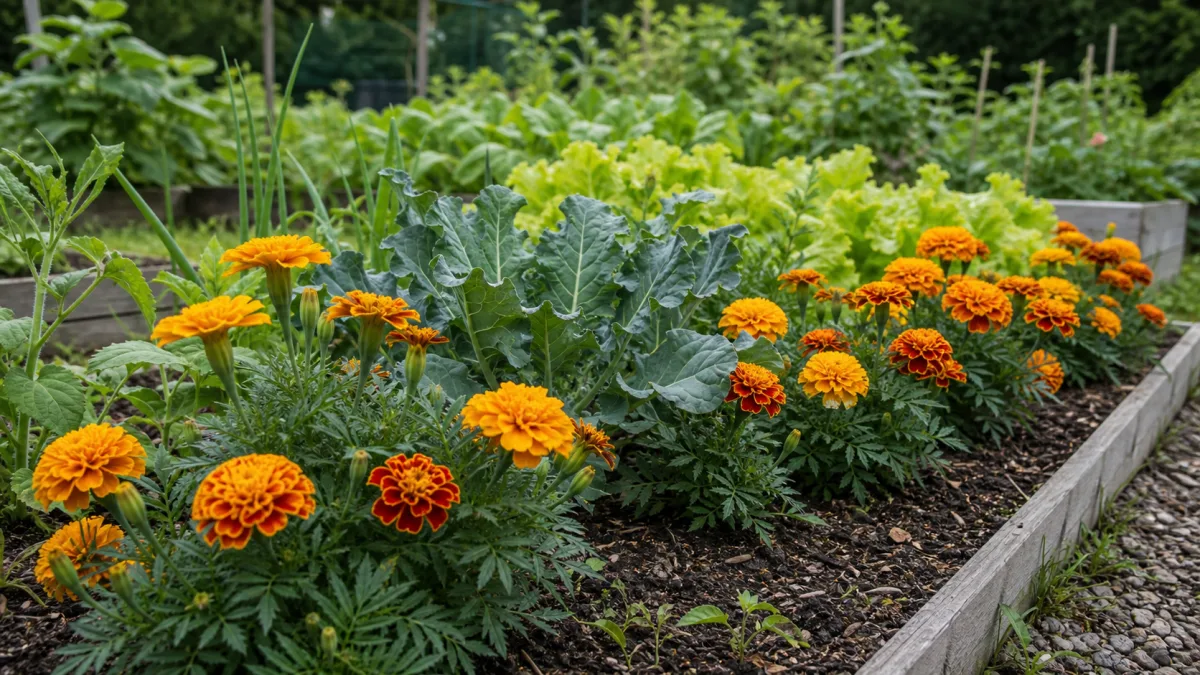
Use the botanical label to separate compact French marigolds from taller African types before assigning their bed or container role.
Border plants
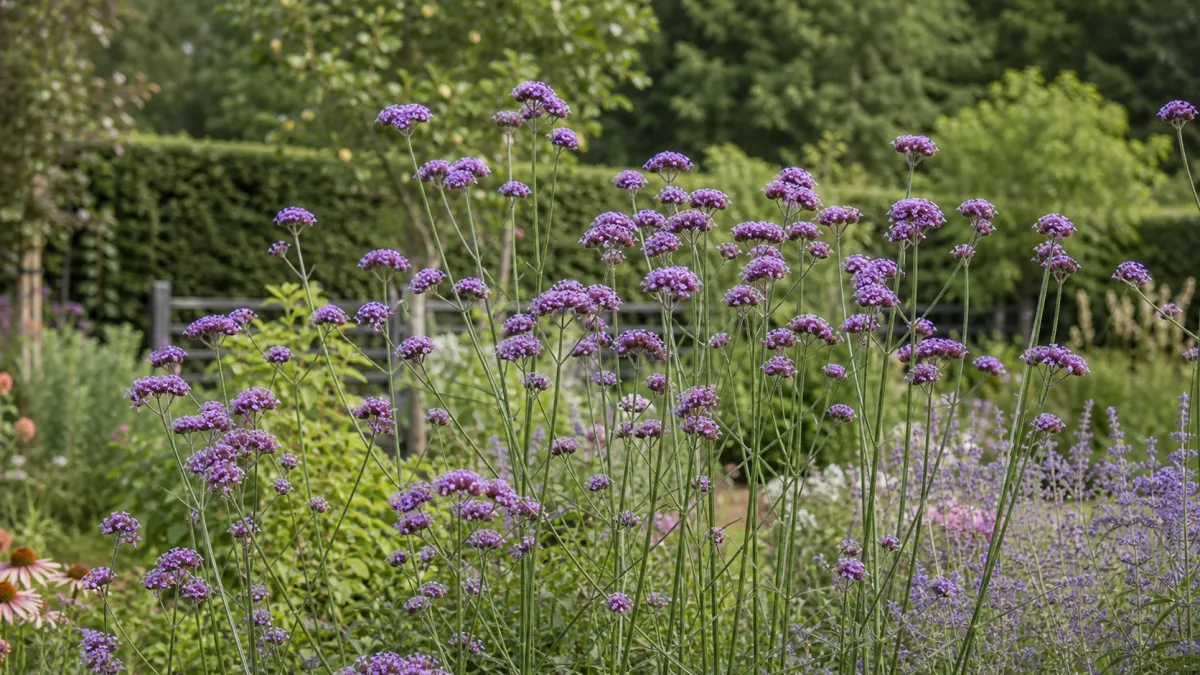
Thread Verbena bonariensis through a sunny, freely drained border where open stems add height without blocking the view.
Flowers and perennials
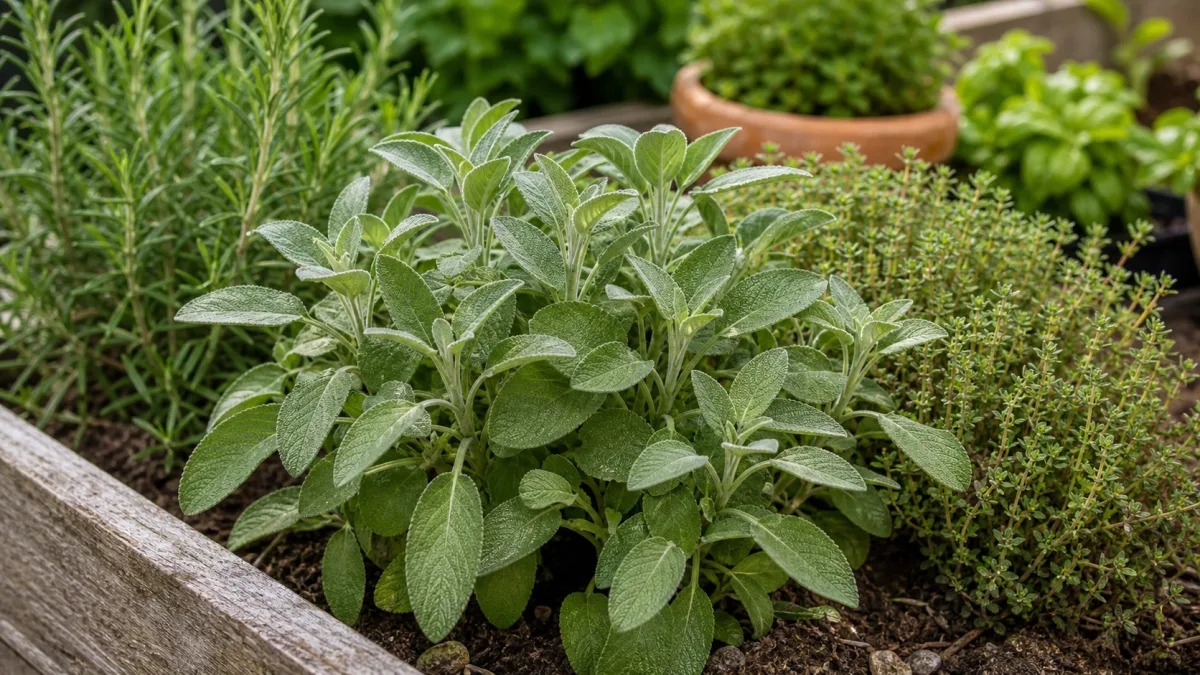
Salvia choices start with species hardiness and flower height; the right plant may be a short annual spike or a perennial border anchor.
Flowers and perennials
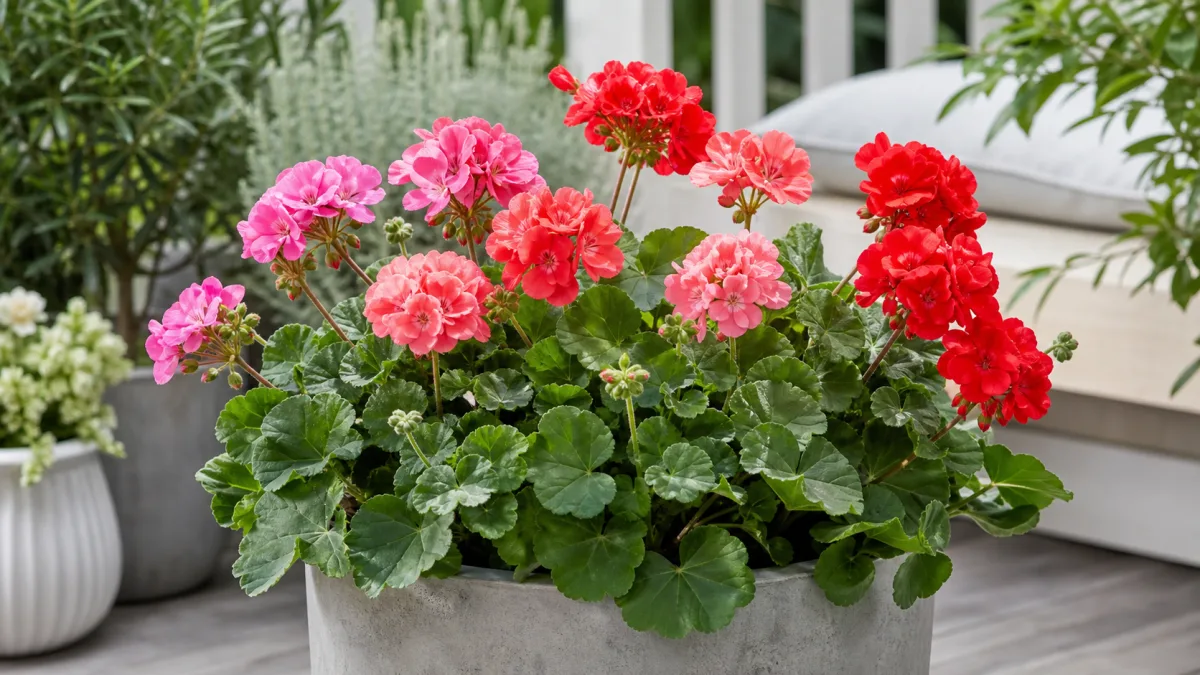
Pelargoniums belong in pots you can move before frost, with drainage and deadheading close enough for regular summer care.
Flowers and perennials
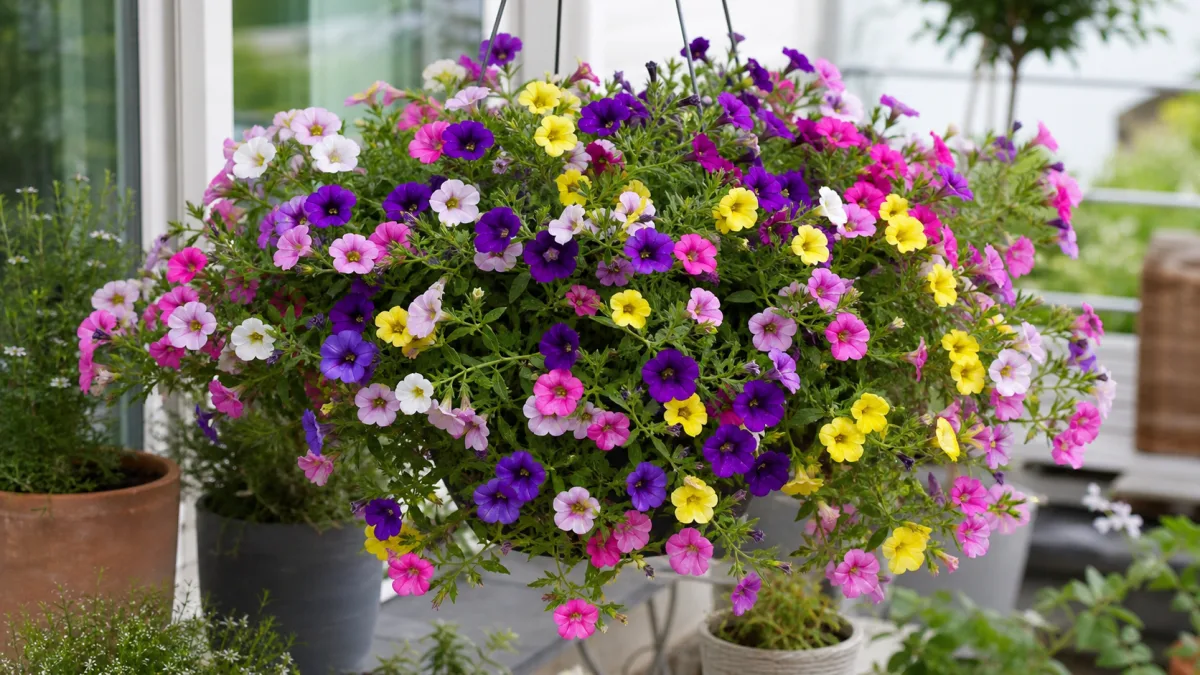
Calibrachoa spills from baskets and window boxes, so pot volume, drainage holes and steady feeding matter more than the flower colour mix.
Container plants
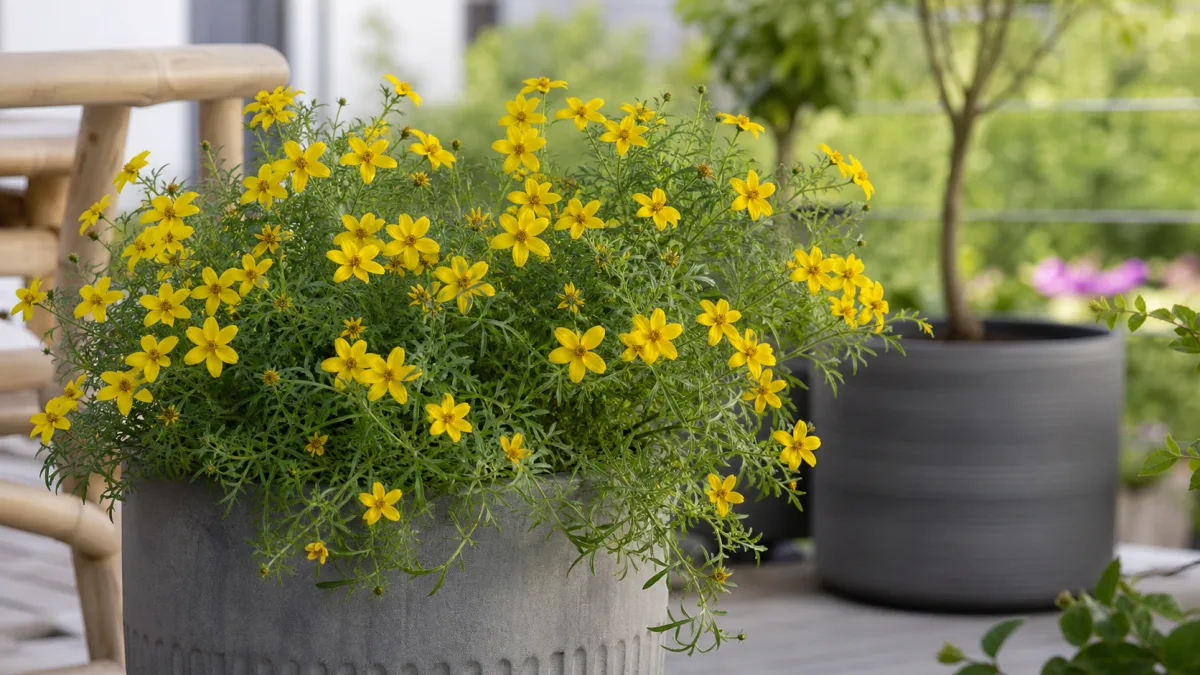
Use Bidens at a sunny container edge, with enough root volume and drainage to support the trailing growth above it.
Flowers and perennials
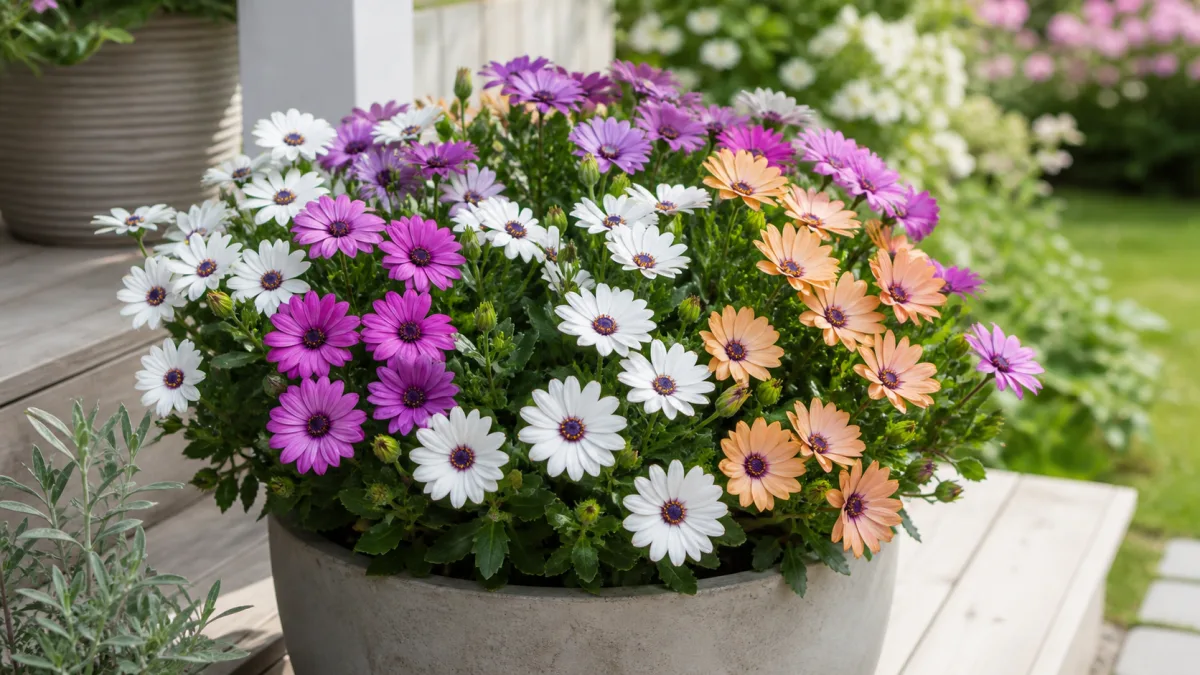
Osteospermum is half-hardy, so treat the daisy flowers as a bright container display that can be sheltered when cold returns.
Buying guide
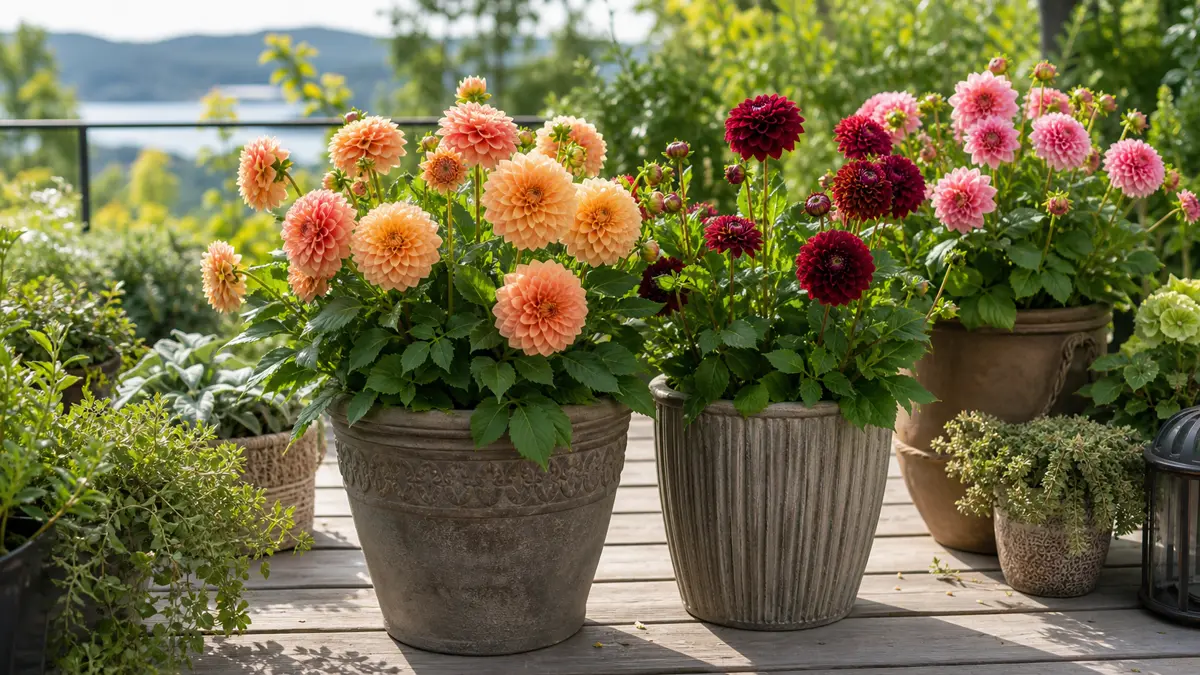
Dahlias in containers need a large pot, open drainage holes, firm staking and frost-free tuber storage.

Buying guide
A wire-free robot mower only makes sense after mapping charging access, slopes, narrow passages, boundary zones and obstacles.
Buying guide
A pergola is a structure decision first: anchoring, wind load, snow load, drainage and maintenance need space in the plan.
Buying guide
An outdoor kitchen starts with heat-safe surfaces, smoke, grease splash, water access and winter storage before any finish or worktop choice.
Buying guide
Drip irrigation helps only when filter, pressure, timer access and winter draining are planned from the start.
Garden care
During a heatwave, check root-zone moisture before prioritising seed trays, small pots, new planting and fruiting crops.
Buying guide
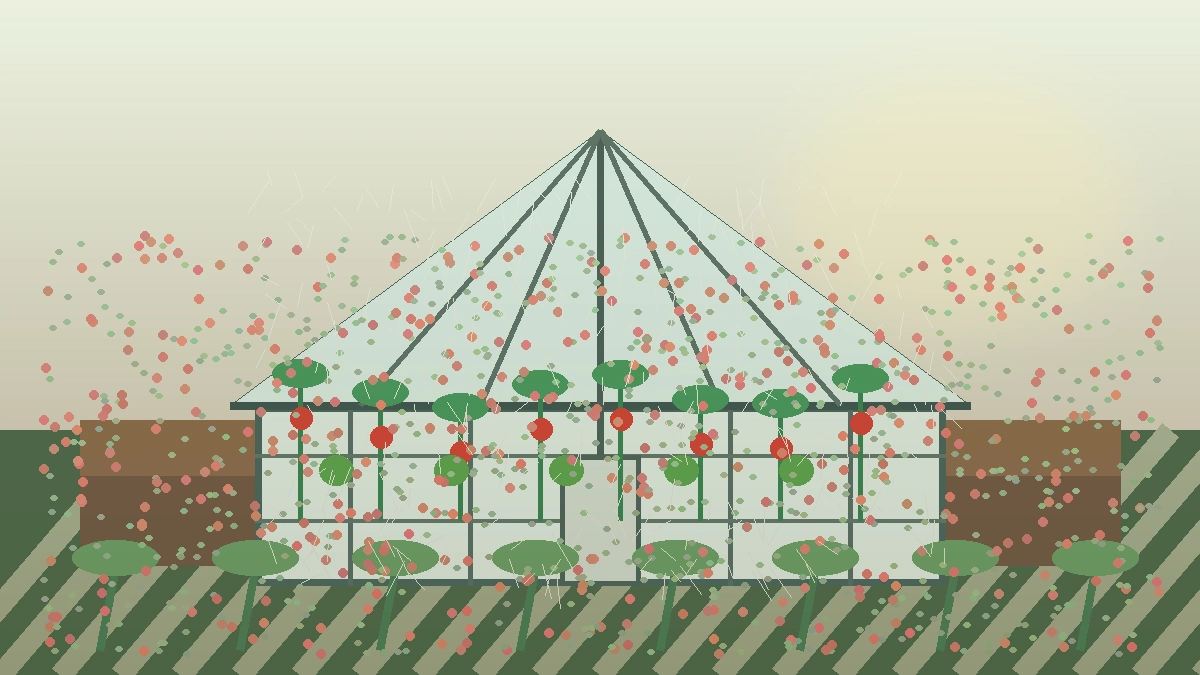
Choose a greenhouse after resolving foundation, anchoring, ventilation, shade and how water will reach it.
Buying guide
Weatherproof furniture is chosen by material, folding, cleaning, rain exposure and where it can be stored.
Lawn care
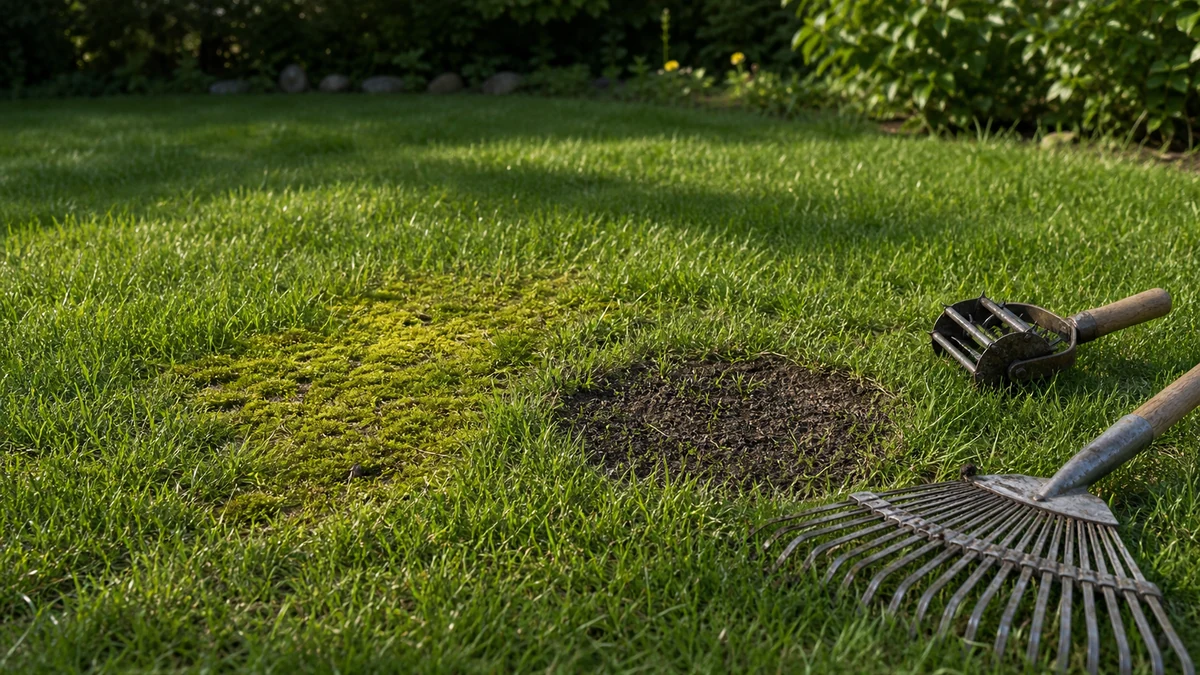
Shade, wear, compacted soil and poor drainage can produce similar-looking damage. Check the growing conditions first, then choose the smallest repair that gives grass a realistic chance to recover.
Lawn care
Use regional weather, root depth and a healthy control patch to distinguish shaded moss, compacted traffic lines and drought-stressed repairs.
Dahlias
Dahlias can carry late borders and cutting beds, but the real decision is practical: space for staking, access for cutting, steady water and somewhere frost-free for tubers after the display ends.
Dahlias
Café au Lait Royal is a registered sport with flowers recorded to 160 mm; preserve its full name and plan support, cutting access and storage.
Dahlias
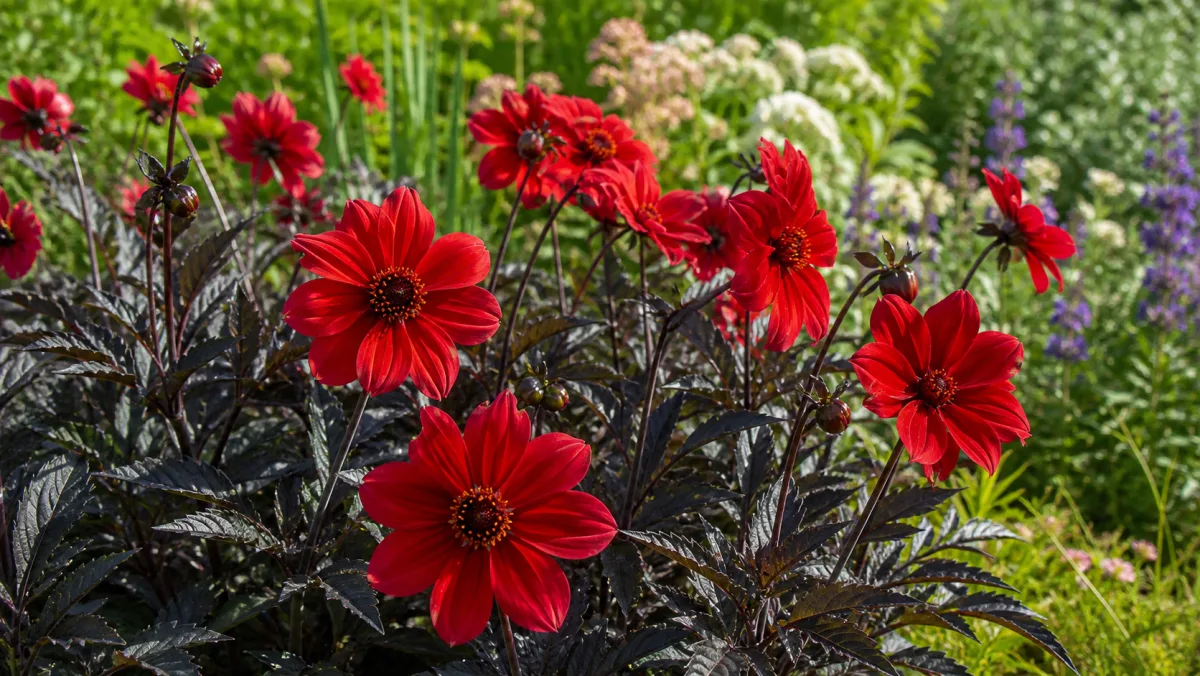
Dark foliage and red flowers stand out best when staking, shelter and regular cutting are planned before the stems lengthen.
Dahlias
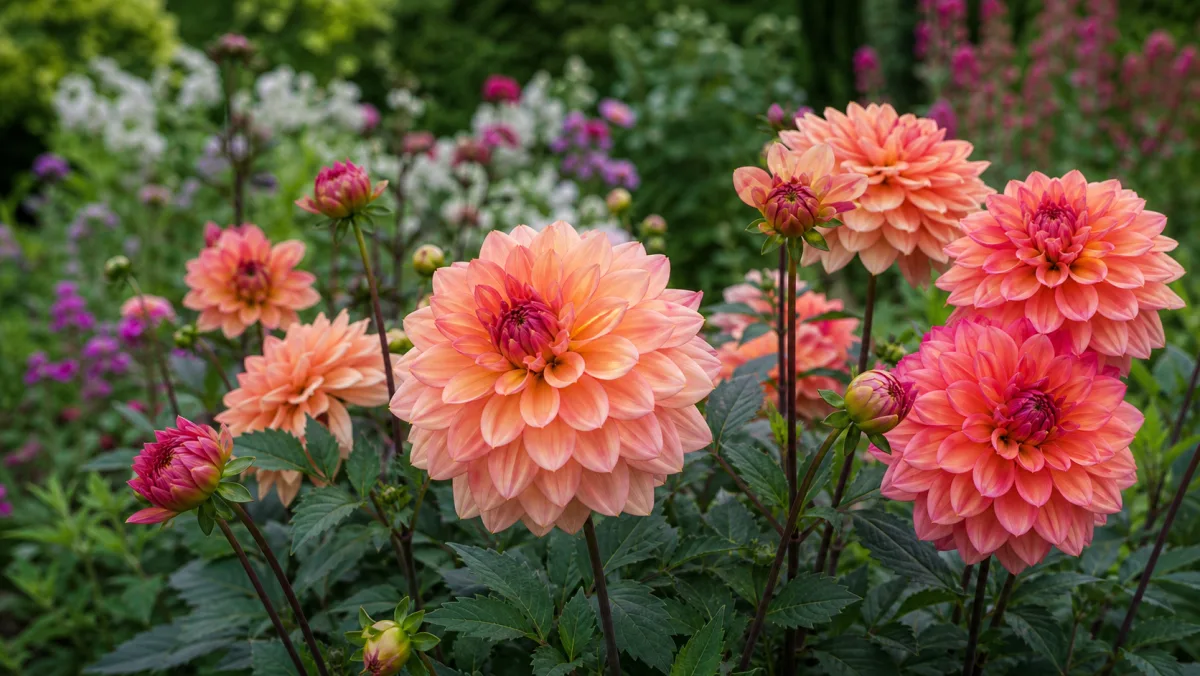
Warm-toned blooms suit cutting beds if tubers start in warmth, stakes go in early and autumn lifting is already planned.
Dahlias
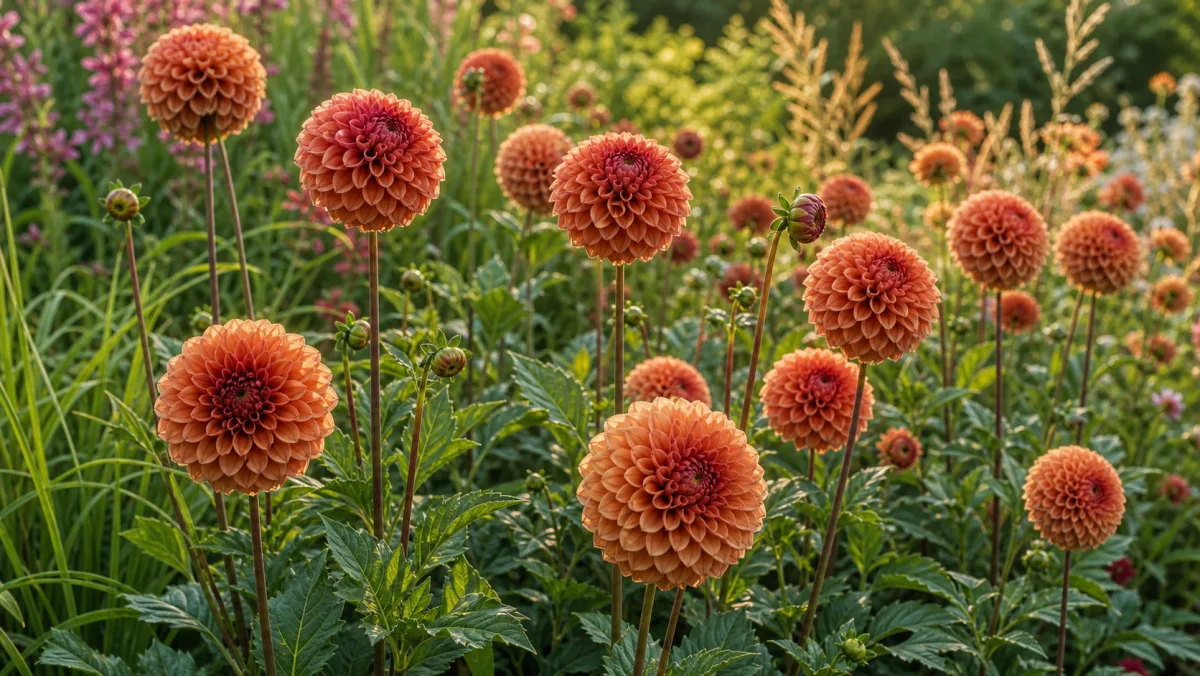
Cornel Brons is a registered 75 mm miniature ball dahlia; plan early support, clean cuts and labelled frost-free tuber storage.
Dahlias
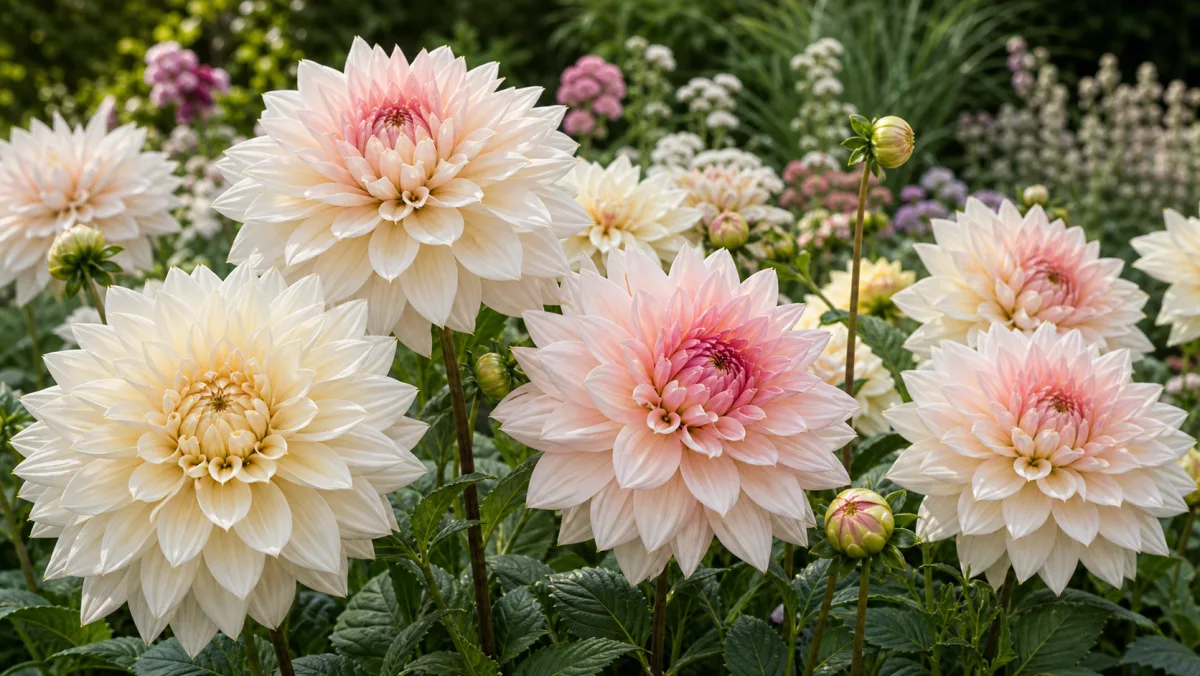
Break Out needs richer soil, strong support and storage space for bulky tubers after its large pale blooms finish.
Dahlias
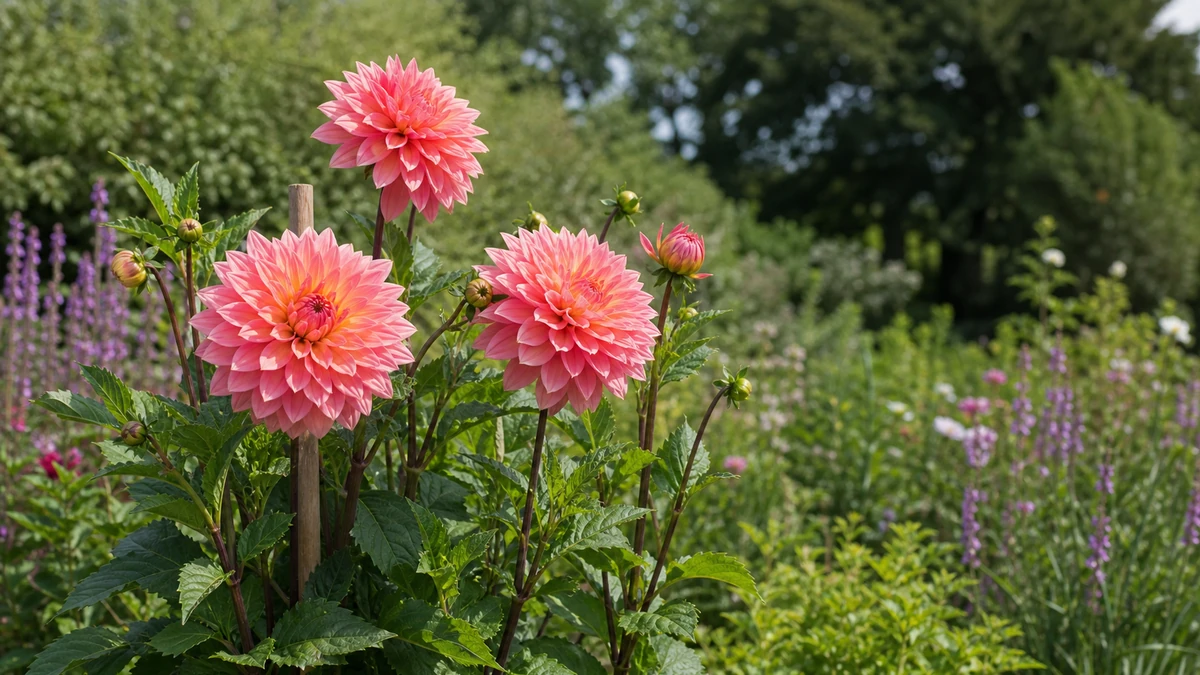
Treat Fairway Spur as a tall cutting dahlia: support first, water at the base and keep a path for harvesting stems.
Dahlias
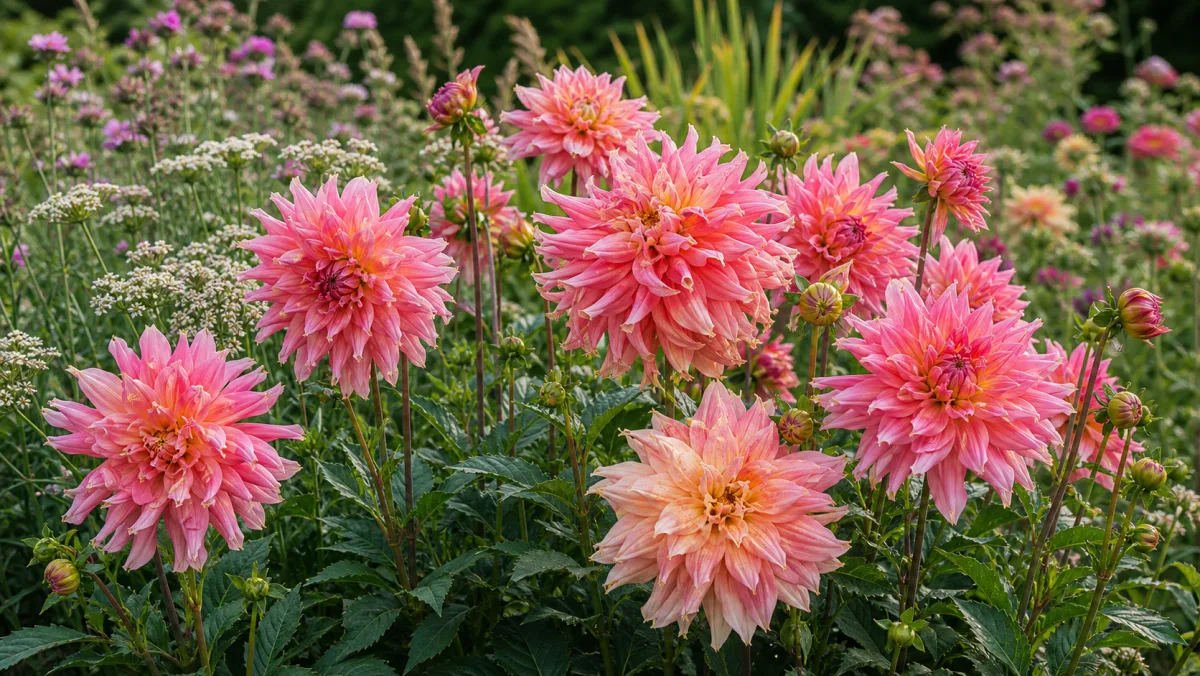
Penhill Watermelon rewards space and air movement; heavy flowers need checking after rain or wind rather than late-season rescue staking.
Dahlias
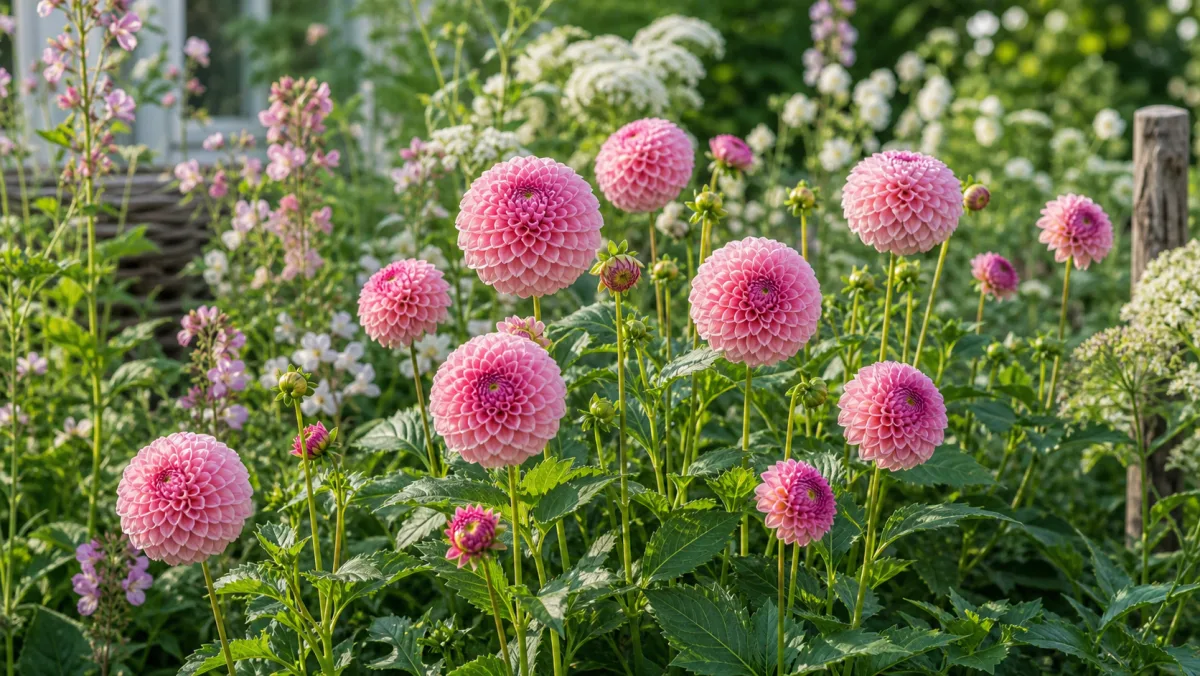
This compact pink dahlia works where labels, slug checks and frost-free tuber storage will not be forgotten.
Seed mixes
A packet mix is only as good as the bed underneath it. Look at soil preparation, weed pressure, sowing window and whether you want stems for cutting, pollinator forage or a lean meadow look.
Seed mixes
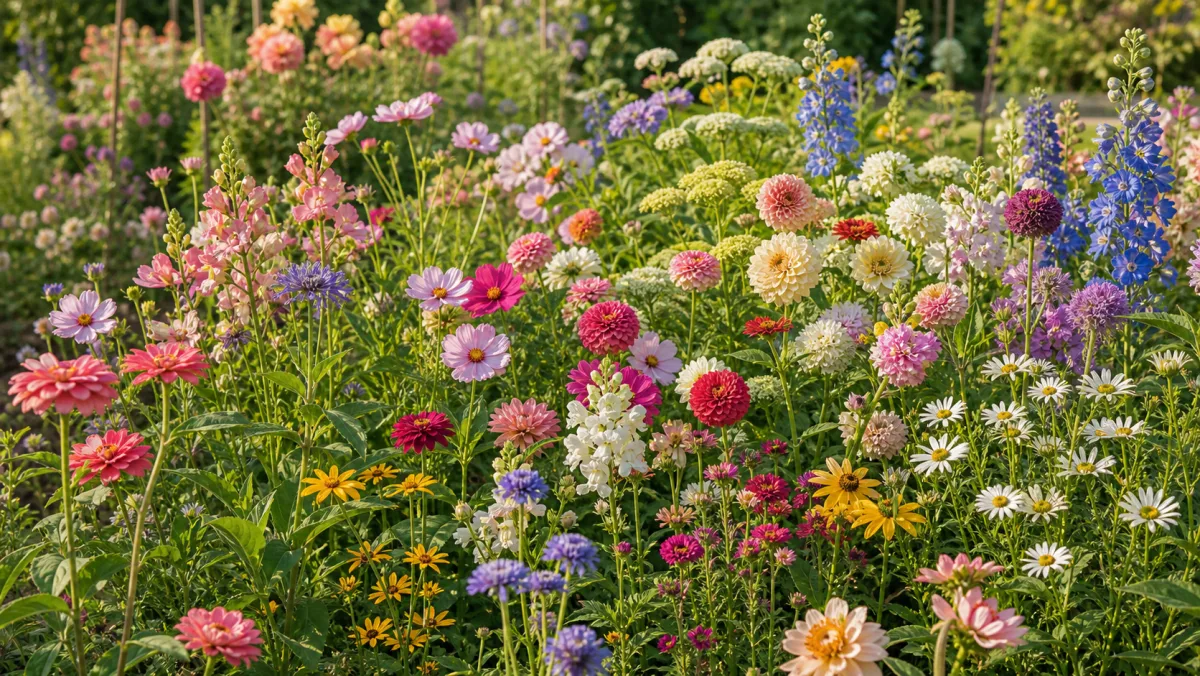
Check the organic standard or verifier, then record the lot and trial the mix in a reachable row using species methods only for named groups.

Seed mixes
Use the packet's height range to map shade, wind and support before a mixed sunflower row becomes too large to edit safely.

Seed mixes
Verify the organic standard and packet contents, then test the annual mix in a bounded plot with a clear one-season measure.

Seed mixes
Summer cut flowers produce more usable stems when water is close, picking starts early and gaps can be resown.

Wildflower meadow
Confirm who controls the roadside strip, map sightlines and drainage, assess existing plants, then use locally appropriate meadow establishment and cut-and-collect.
Kitchen garden
Vegetable, berry and herb choices depend on more than variety names. The guides flag germination, crop spacing, support, harvest rhythm, storage and the point where a bed becomes too dry, crowded or shaded.
Kitchen garden
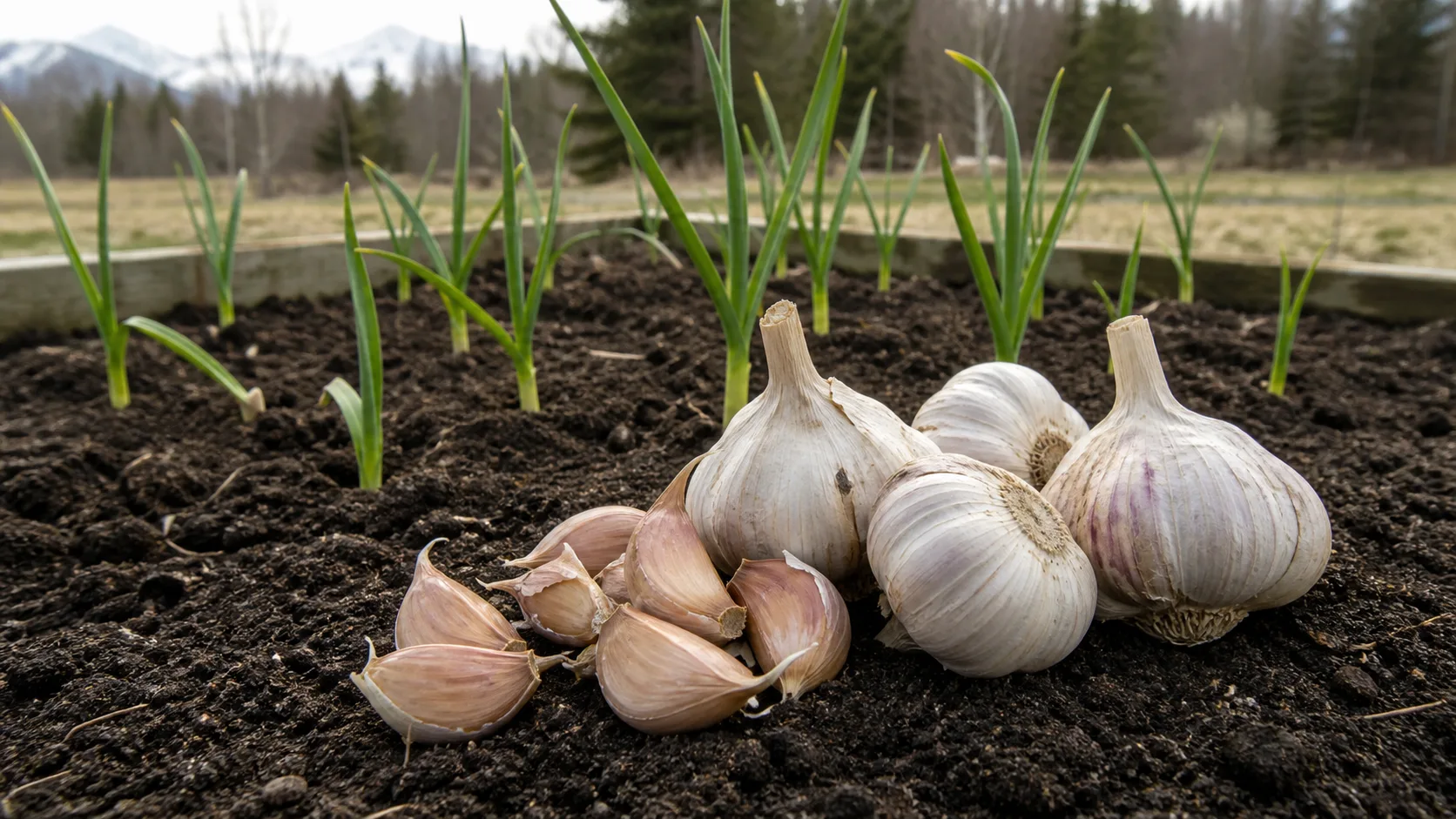
Garlic is more predictable with healthy cloves, loose soil, cool-season planting and a dry curing spot after harvest.
Kitchen garden
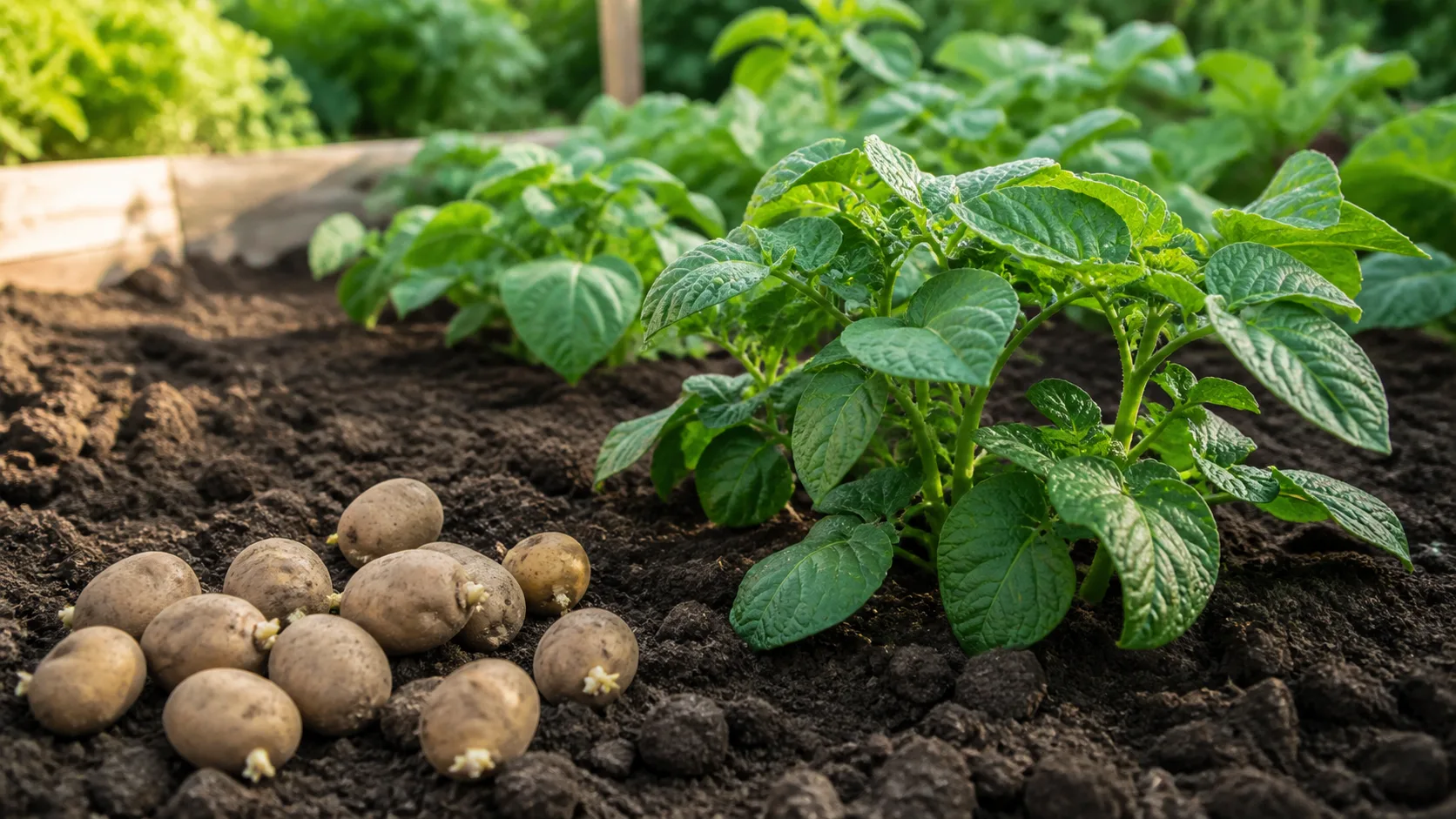
Potatoes need loose soil, space for earthing up and a harvest route that will not compact the bed.
Kitchen garden
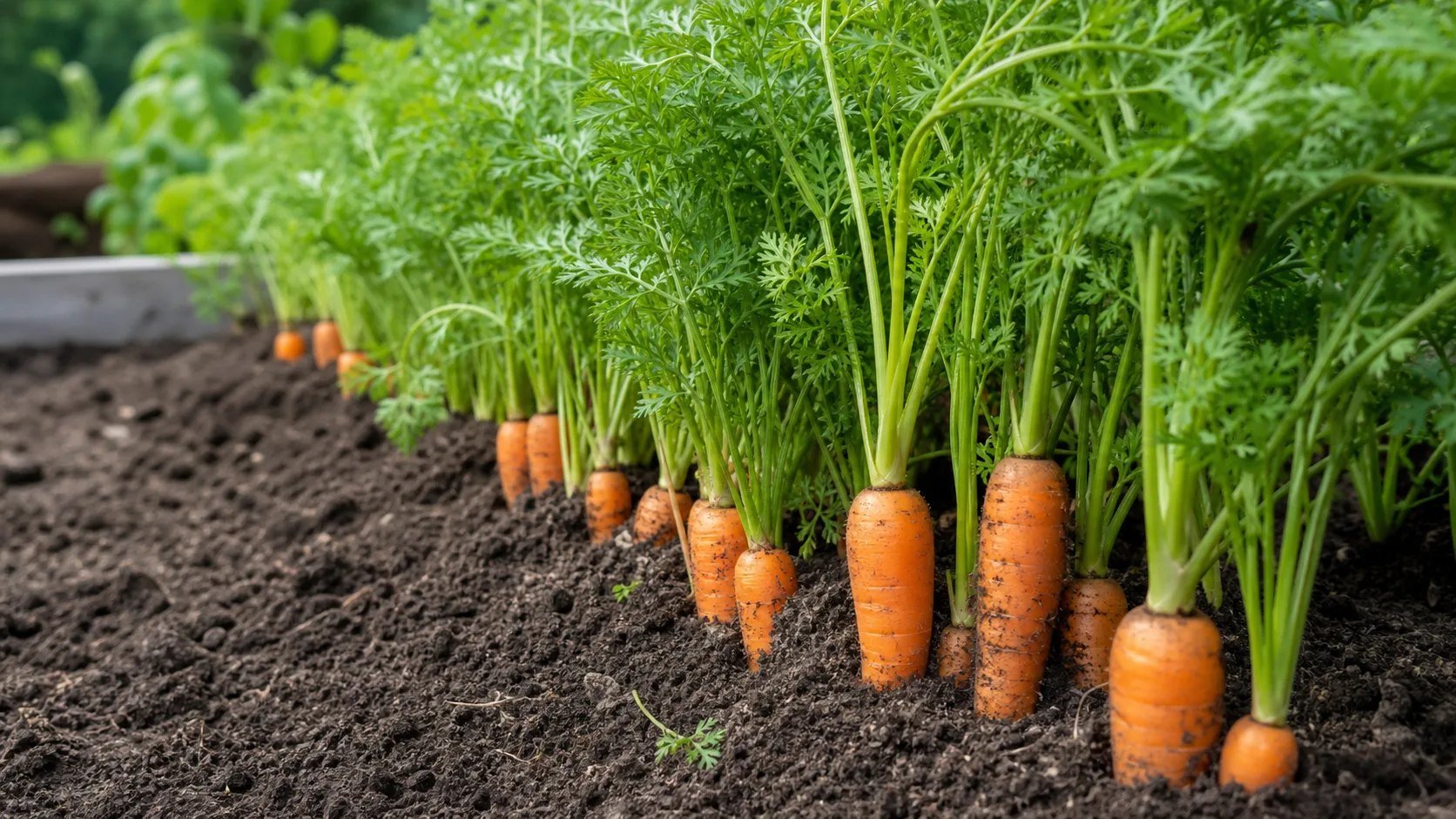
Carrots depend on deep fine soil, thin sowing and steady surface moisture while the smallest seeds germinate.
Kitchen garden
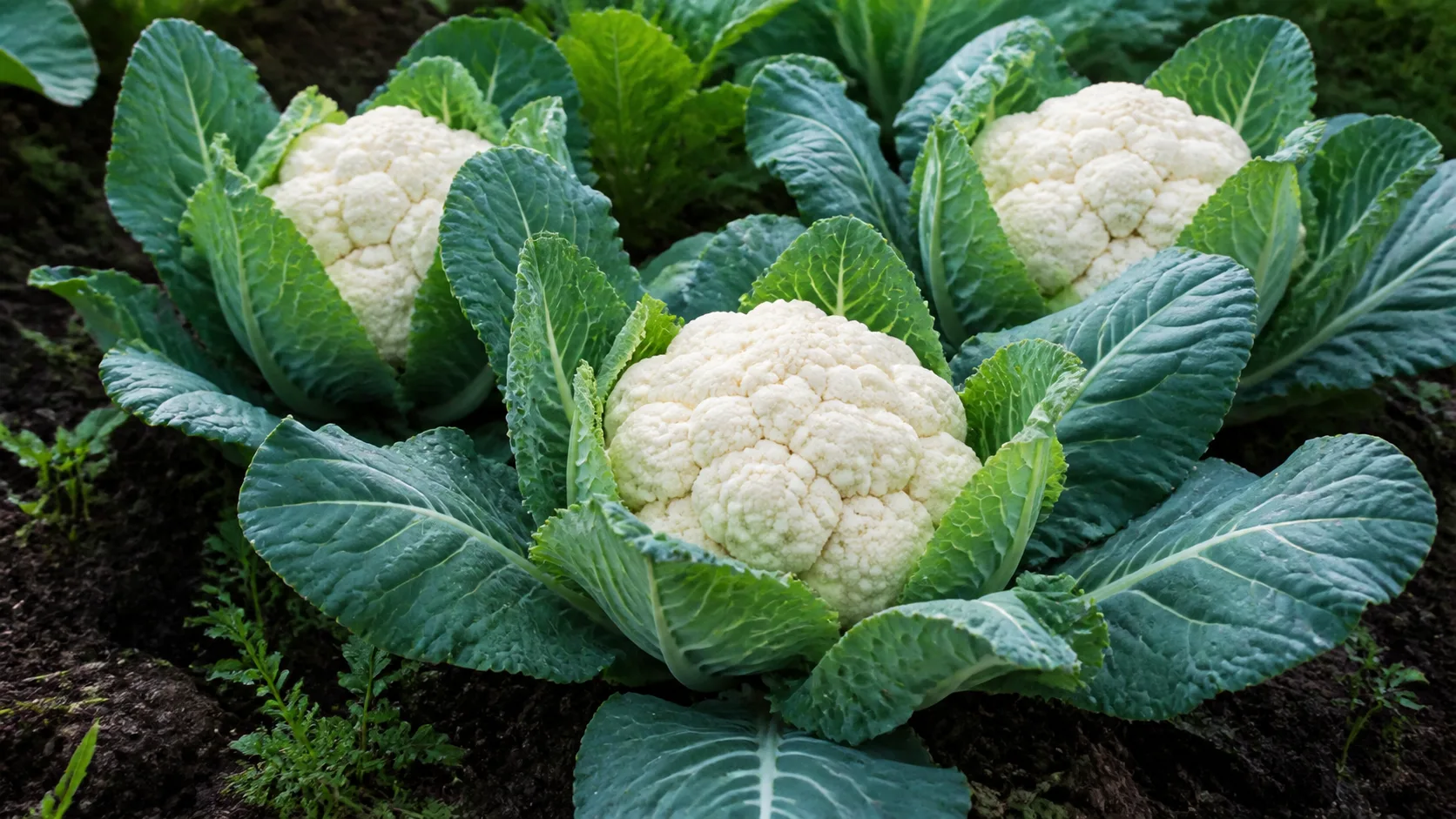
Cauliflower needs fertile soil, even moisture and brassica pest protection before the curd begins to form.
Kitchen garden
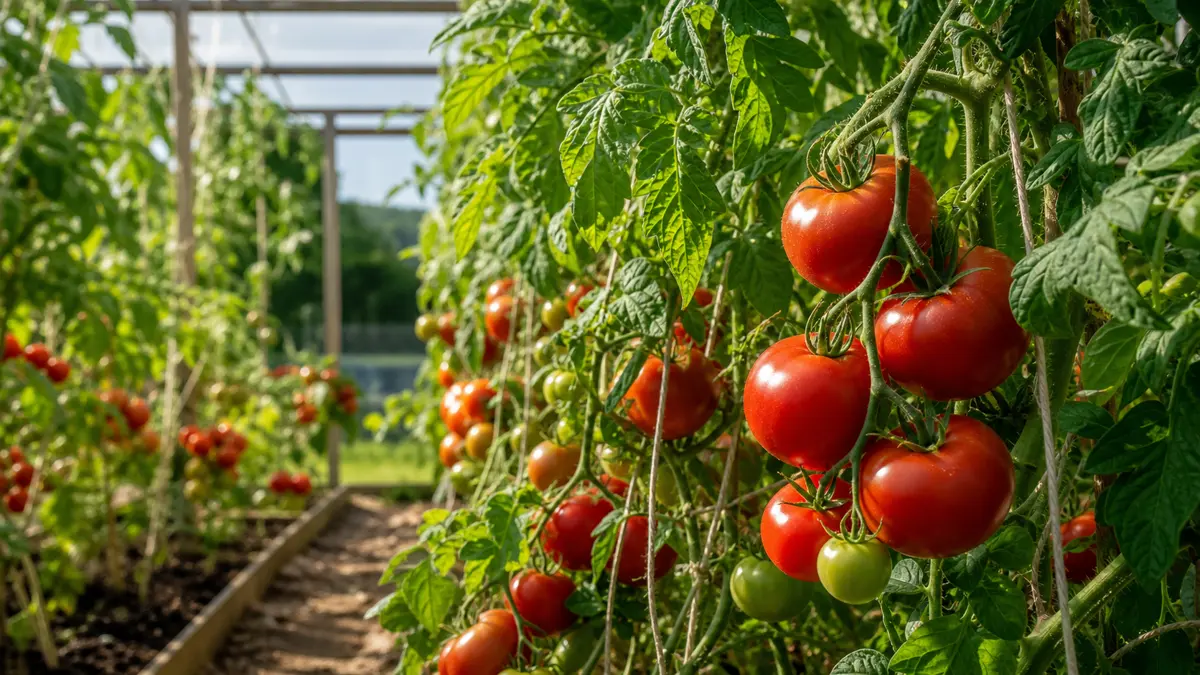
Tomatoes need clean support, root-level watering and airflow, especially if they grow under cover or close to other crops.
Kitchen garden
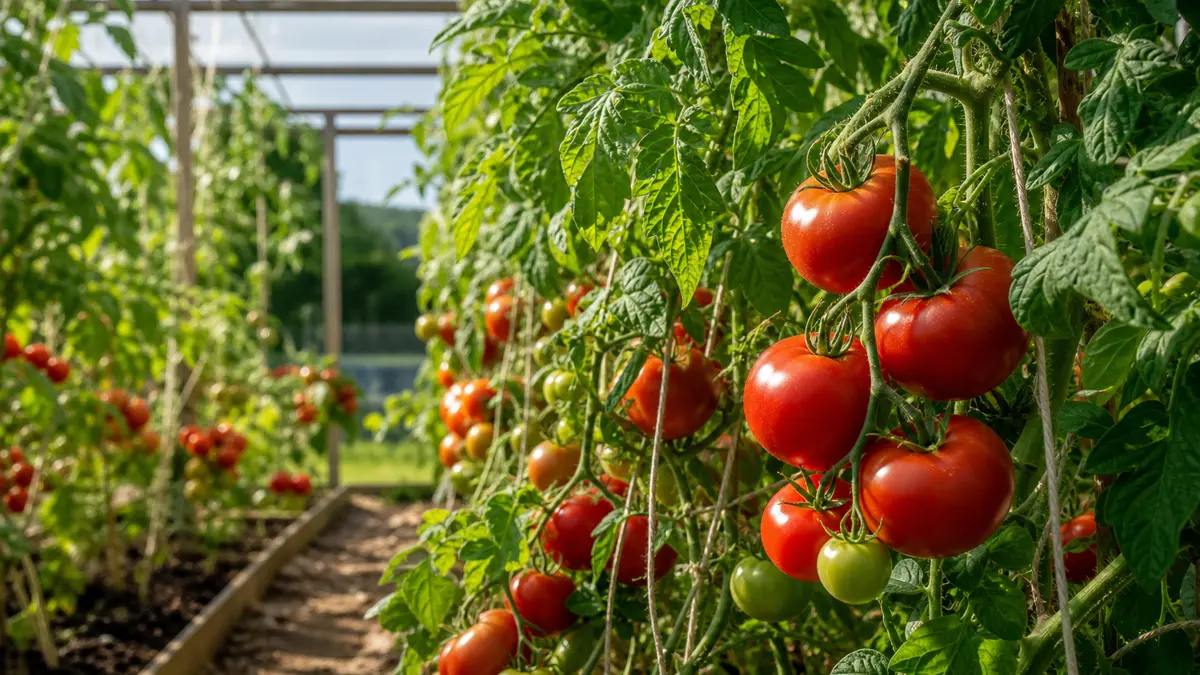
Removing tomato suckers matters most on trained plants, before foliage closes and side shoots turn into thick stems.
Kitchen garden
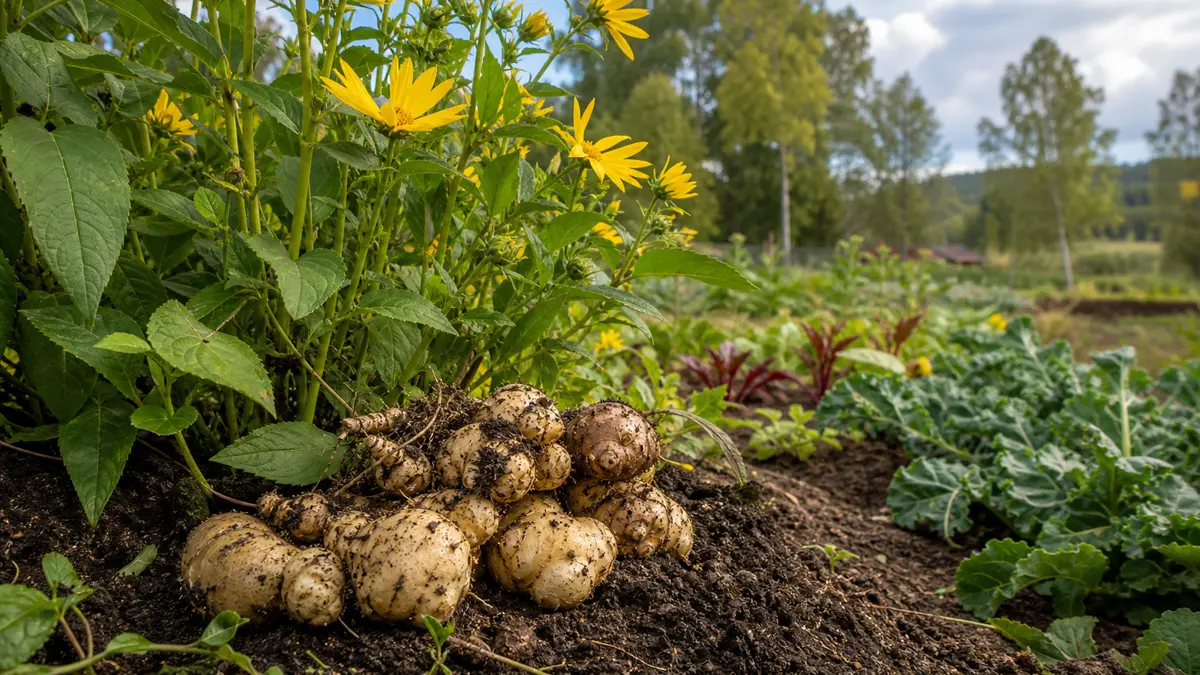
Jerusalem artichoke needs a contained corner because tubers left behind can resprout and crowd neighbouring beds.
Kitchen garden
Map soil type and drainage first, then apply in thin layers and reassess after two to four weeks.
Soil and kitchen garden
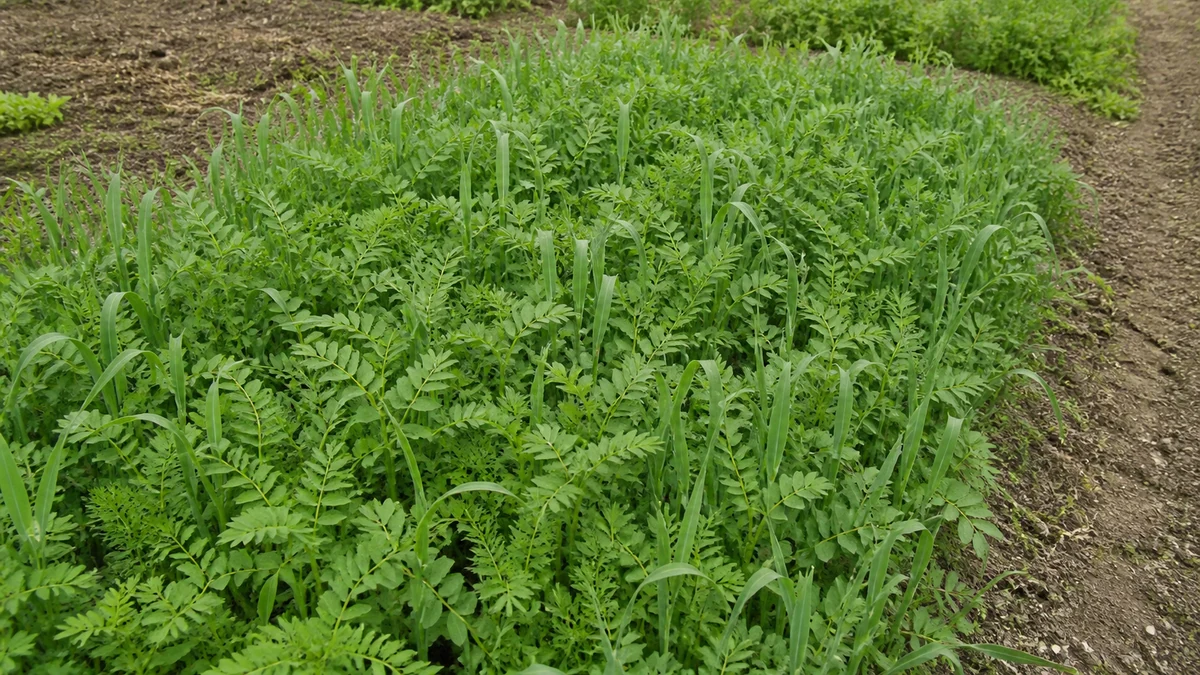
Choose oats, phacelia, clover, vetch or rye for a short cover, nitrogen fixation or deliberate overwintering.
Kitchen garden
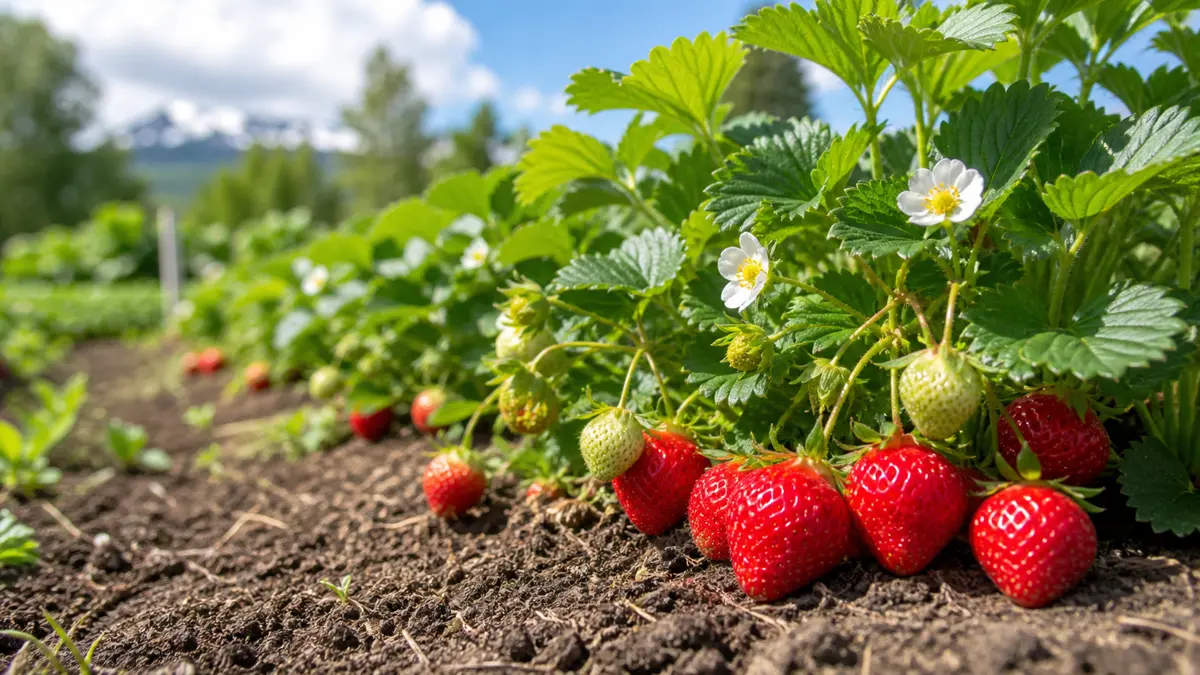
Separate post-harvest cutting from autumn care, then wait for dormancy before adding winter straw.
Kitchen garden
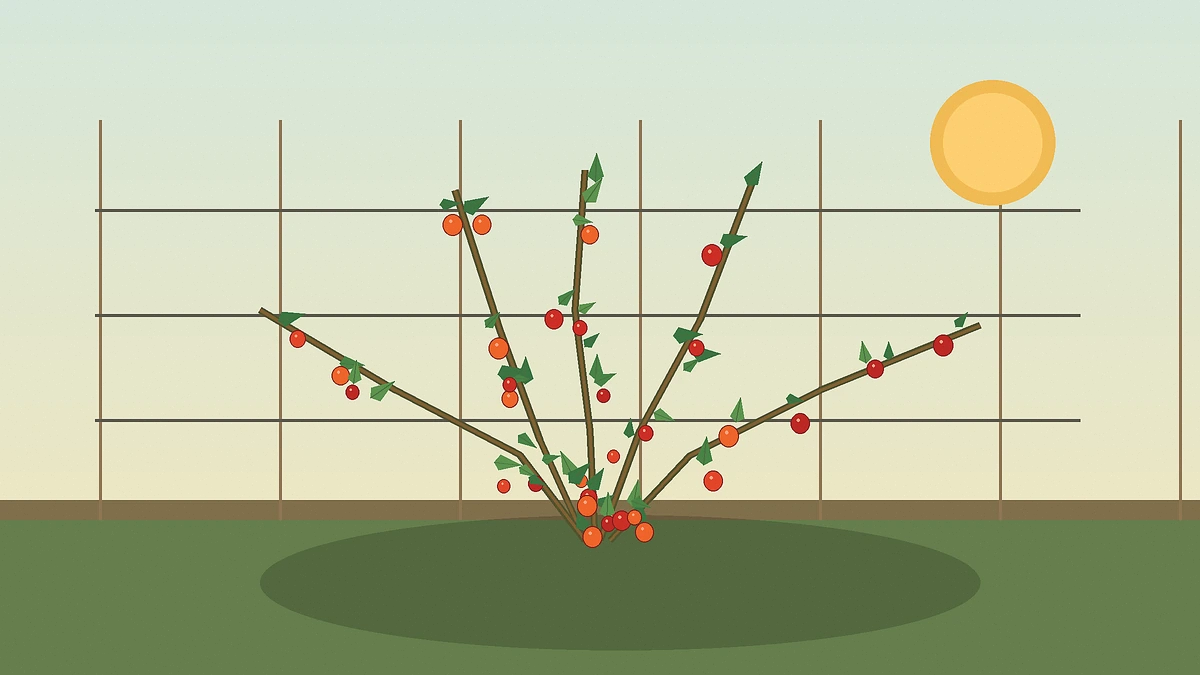
Goji is easier to manage with wires or a trellis, pruning access and patience until berries are fully ripe.
Kitchen garden
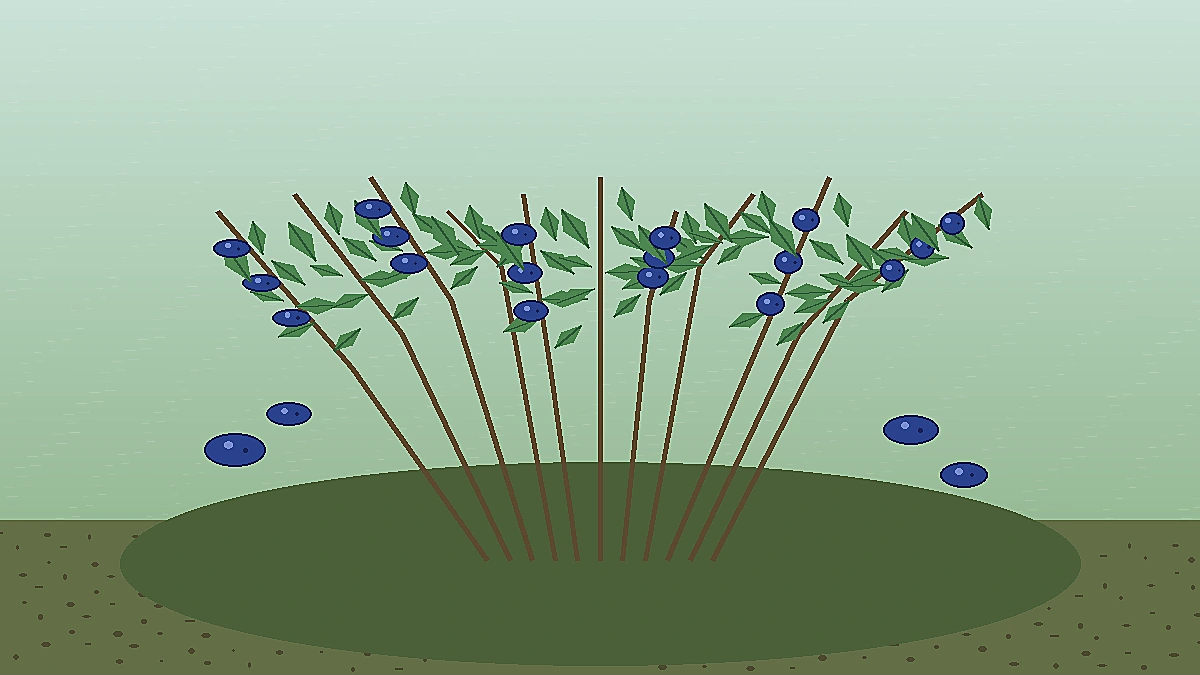
Pair genetically distinct honeyberries with overlapping bloom, protect their shallow roots and taste the coloured flesh instead of harvesting on blue skin alone.
Kitchen garden
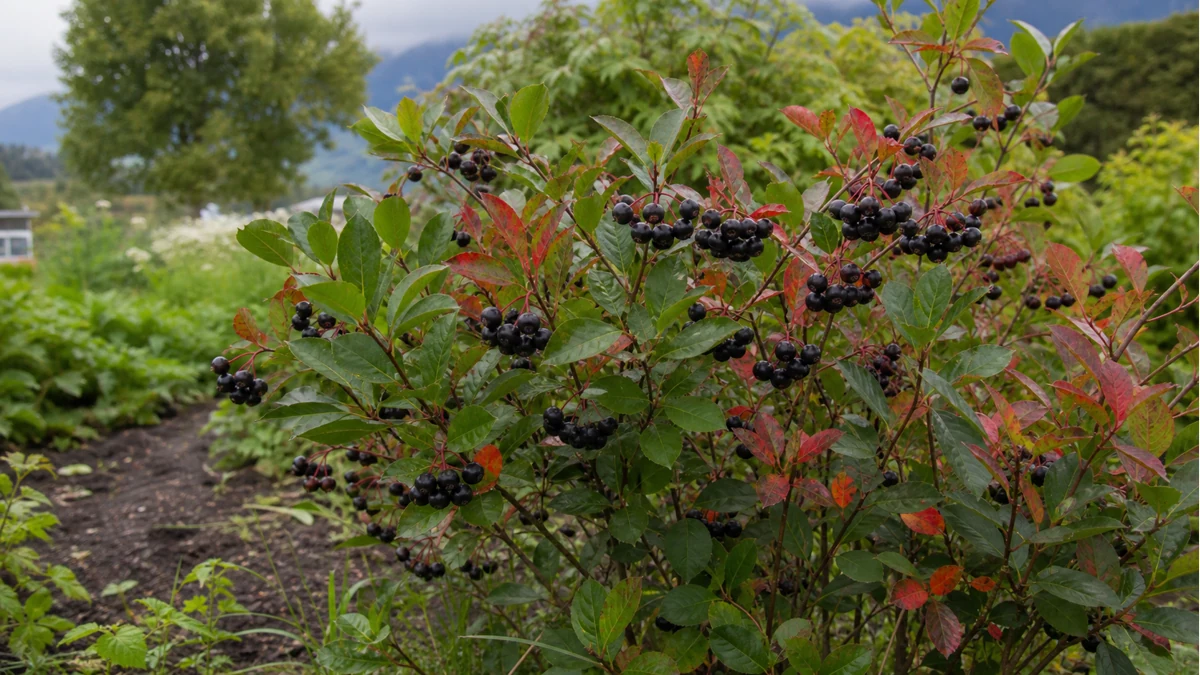
Black chokeberry gives autumn colour and tart berries for juice or jam when you plan space, suckers, sun and bird netting.
Kitchen garden
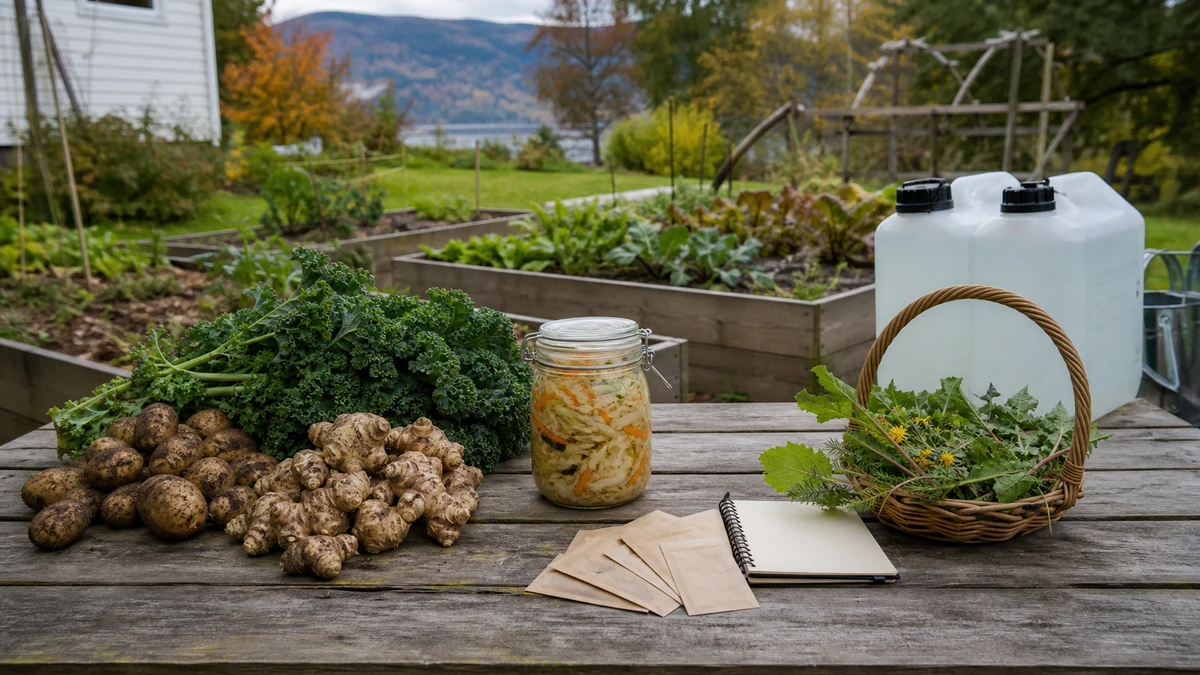
Preparedness garden: water first, then potatoes, Jerusalem artichokes, known edible plants, seaweed limits, fermentation and seed practice.
Kitchen garden
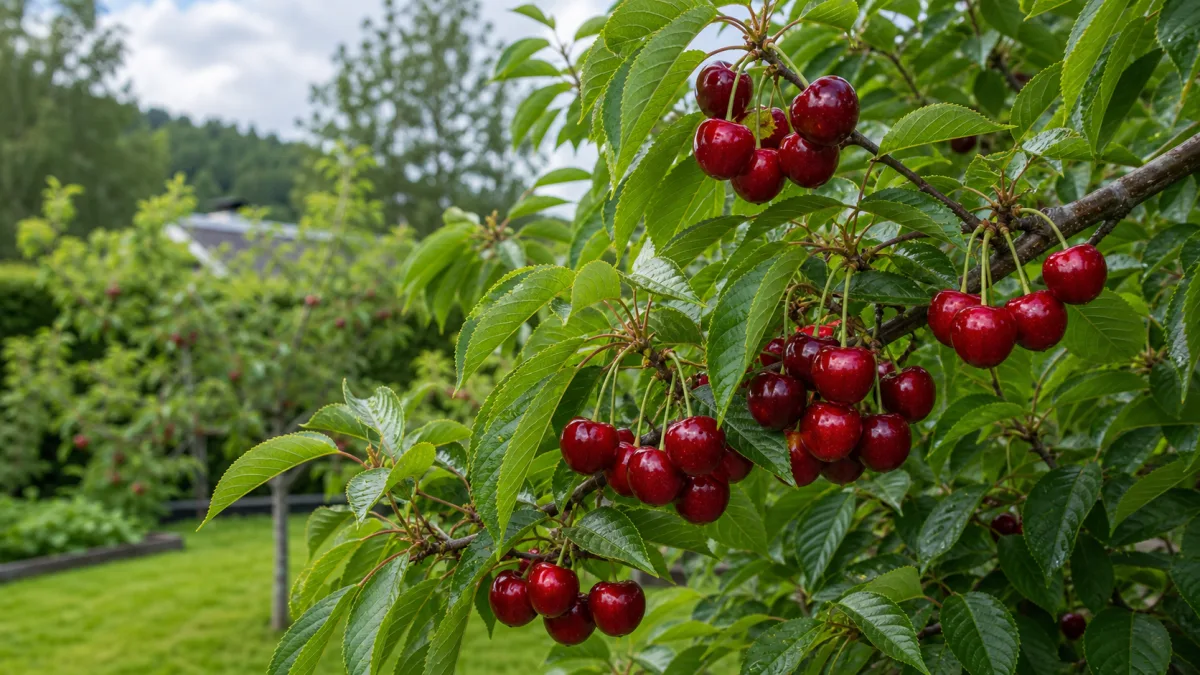
Sweet cherry decisions start with pollination, canopy space, bird pressure and blossom frost rather than fruit colour alone.
Kitchen garden
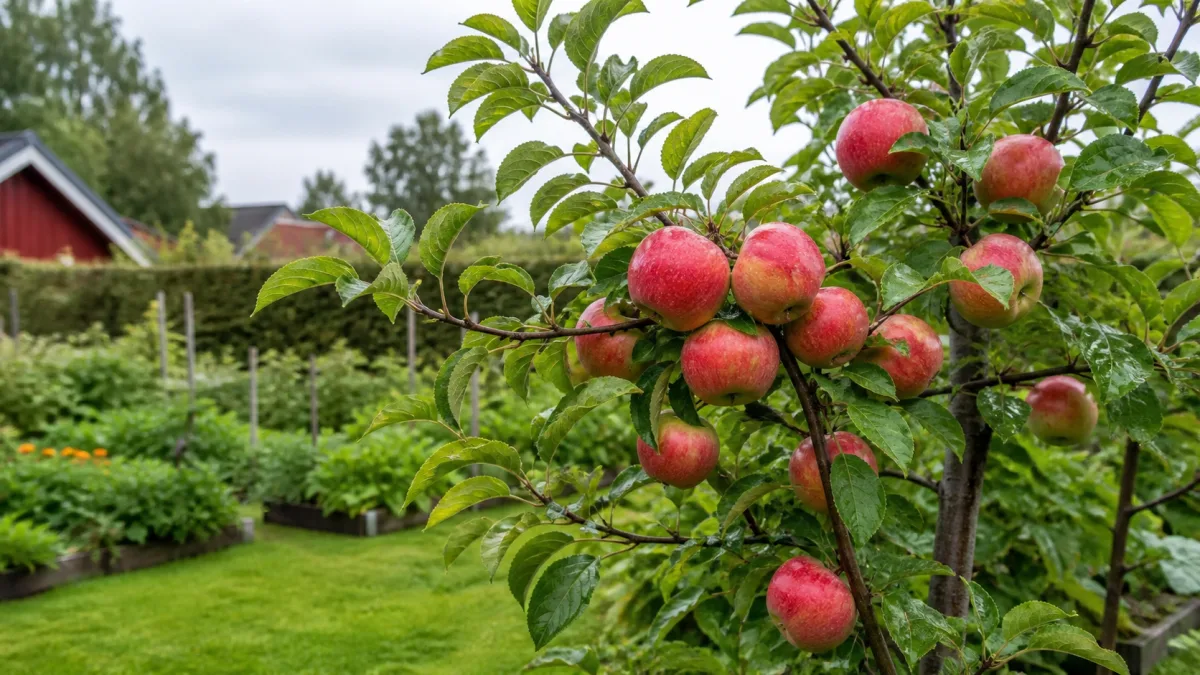
Apple trees are chosen by rootstock, pollination partner, graft height and the room needed to train the crown.
Kitchen garden
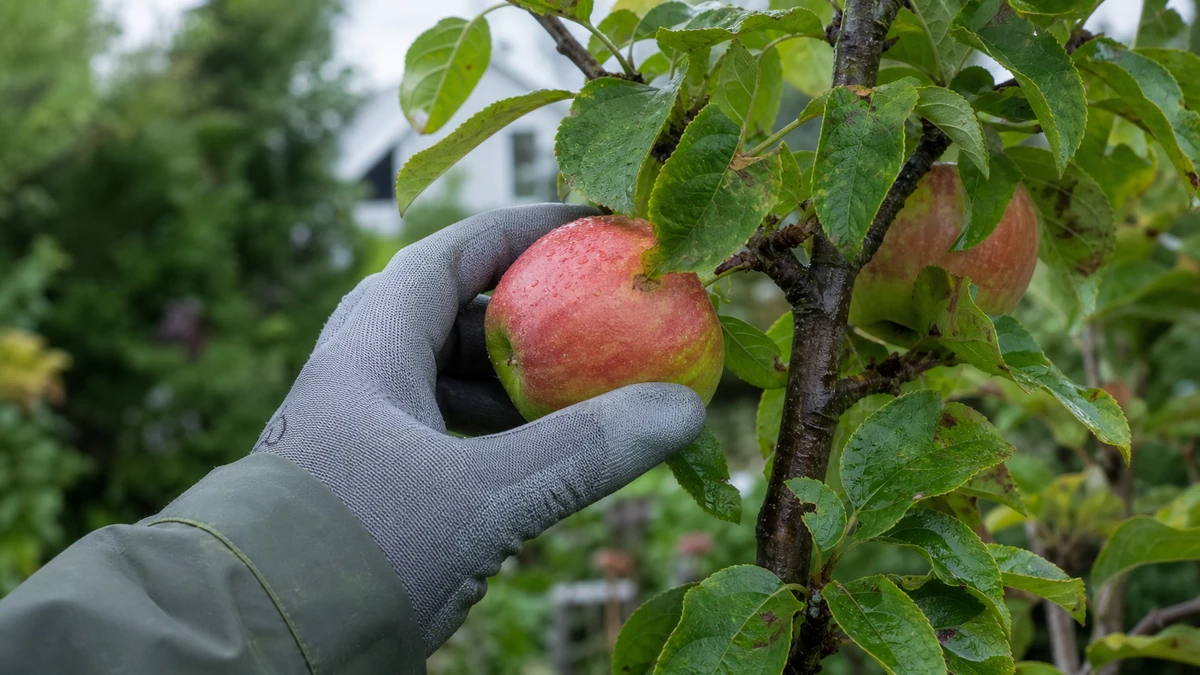
Diagnose nutrient need, feed safely and balance water, fruit load and canopy care for larger, healthier apples.
Kitchen garden
Separate apple scab, canker, brown rot and powdery mildew before pruning or clearing debris.
Kitchen garden
Reduce apple scab with cultivar choice, fallen-leaf management, removal of shoot scab and a canopy that dries quickly.
Kitchen garden
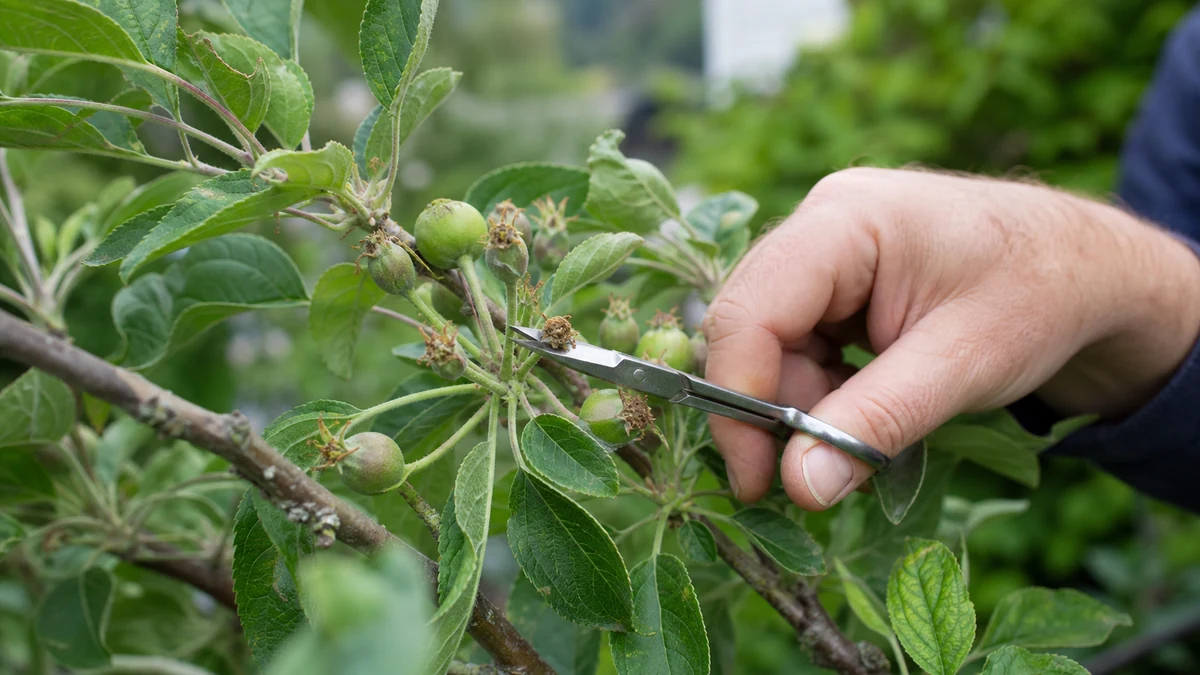
Thin apples after natural fruit drop, keeping the best fruit in each cluster with enough spacing for light, branch safety and steady sizing.
Kitchen garden
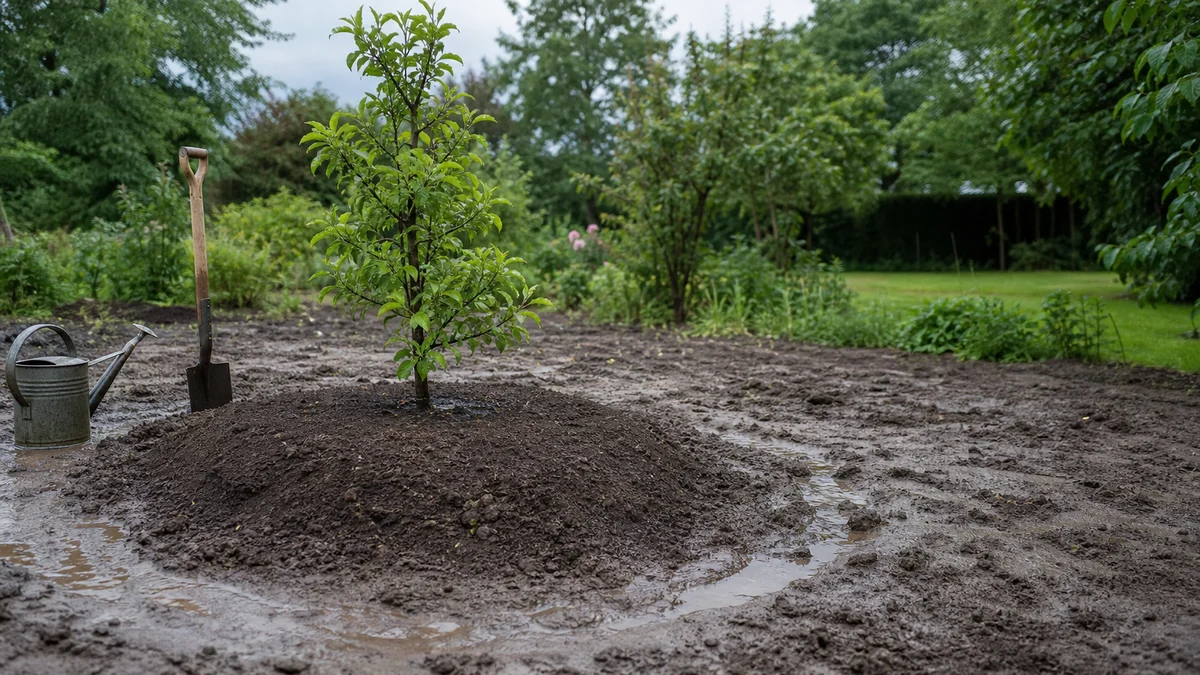
Clay soil needs raised roots, broad planting holes and drainage checks before fruit trees or berry bushes go in.
Kitchen garden
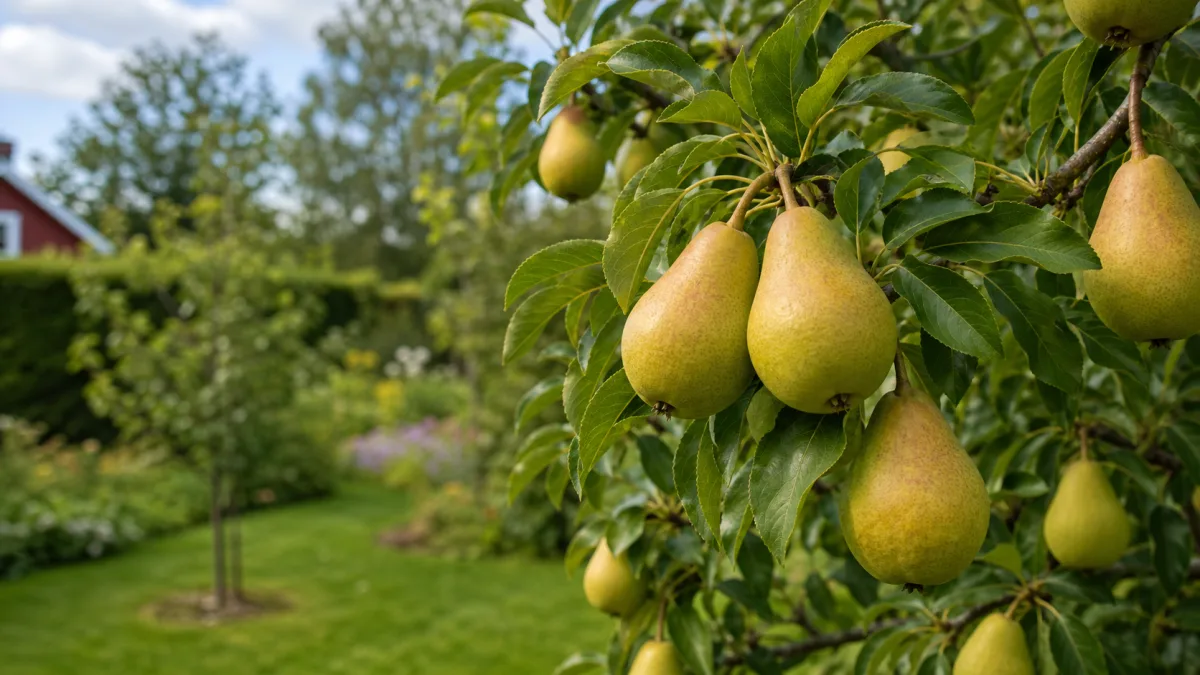
Pears need a warm position, a pollination match, patient training and safe access for picking fruit later.
Kitchen garden
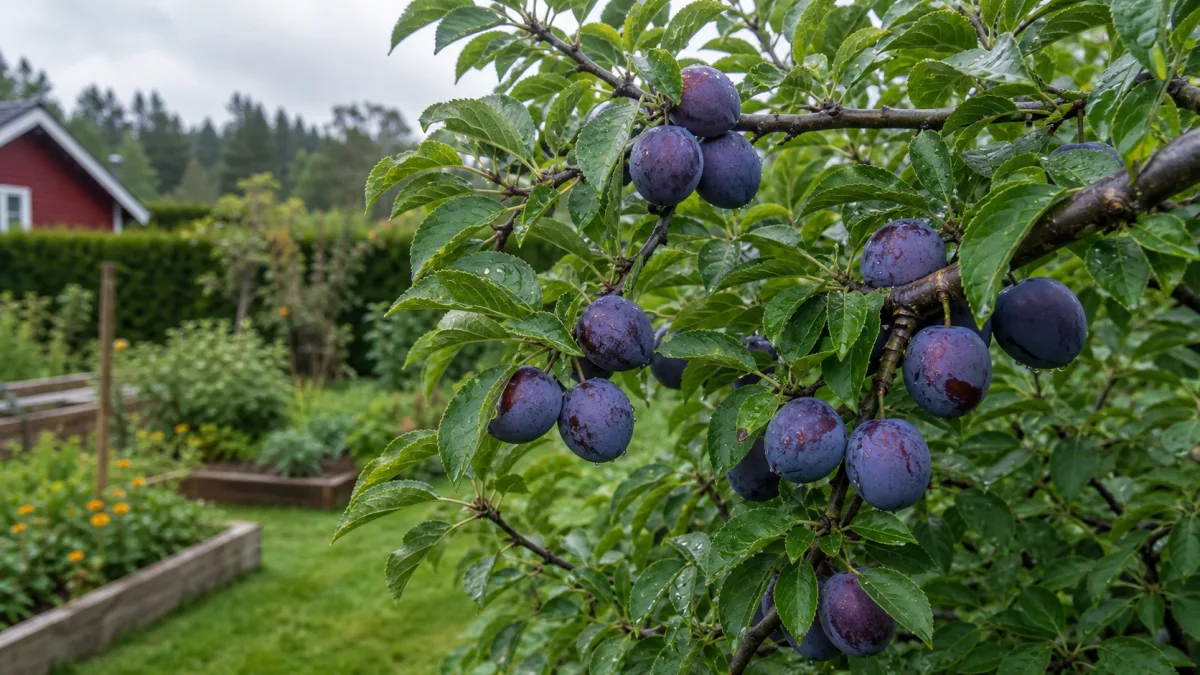
Plum trees need rootstock-sized space, early-spring blossom awareness and a pollination check before the first pruning cuts are planned.
Kitchen garden
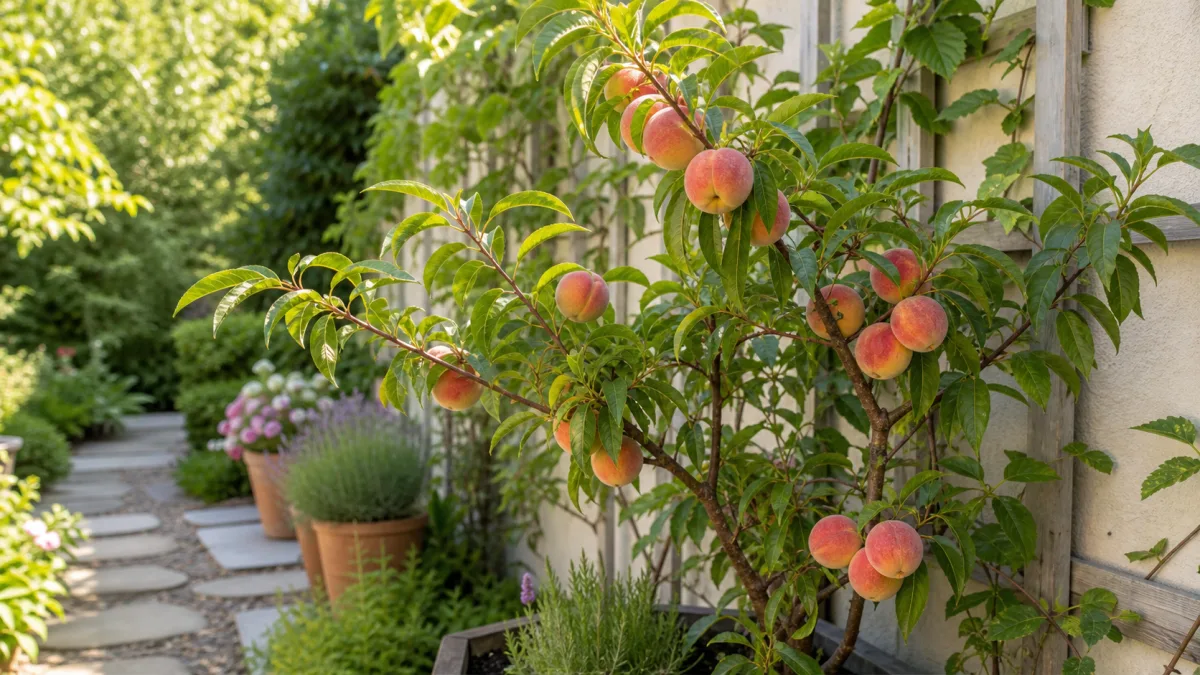
Peaches need shelter from late frost, rain on young leaves and peach leaf curl pressure before planting.
Kitchen garden
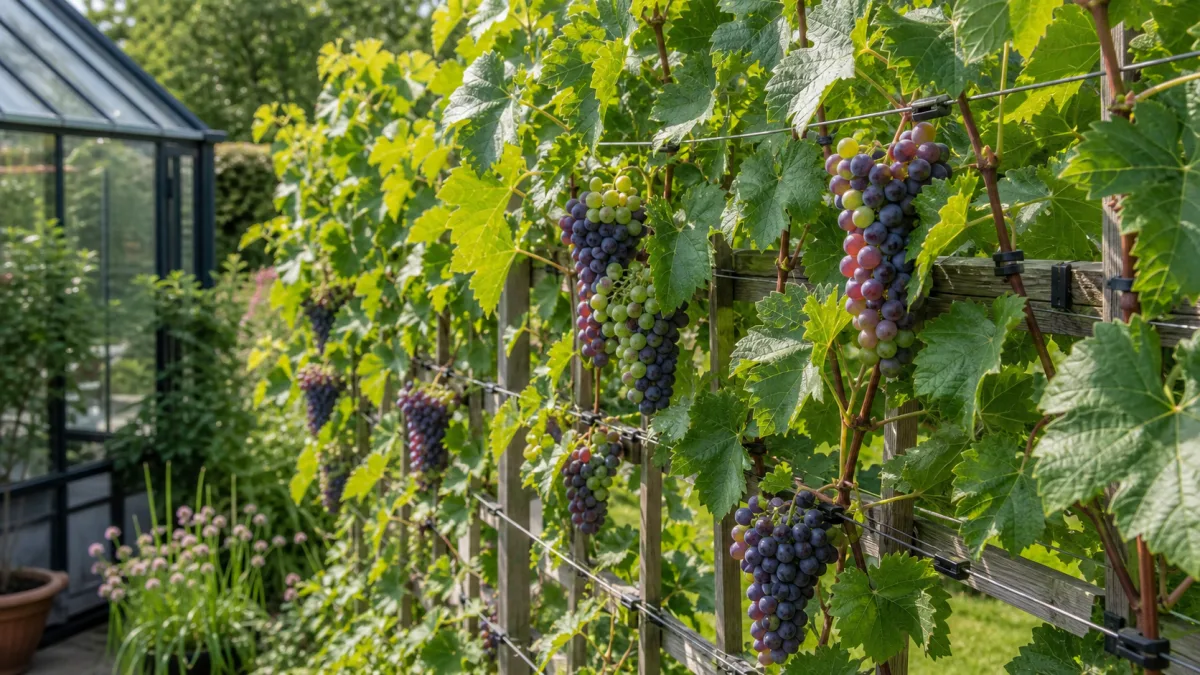
Choose grapes by ripening season as well as winter fit, install permanent support first, prune by cultivar and judge harvest by taste rather than colour alone.
Kitchen garden
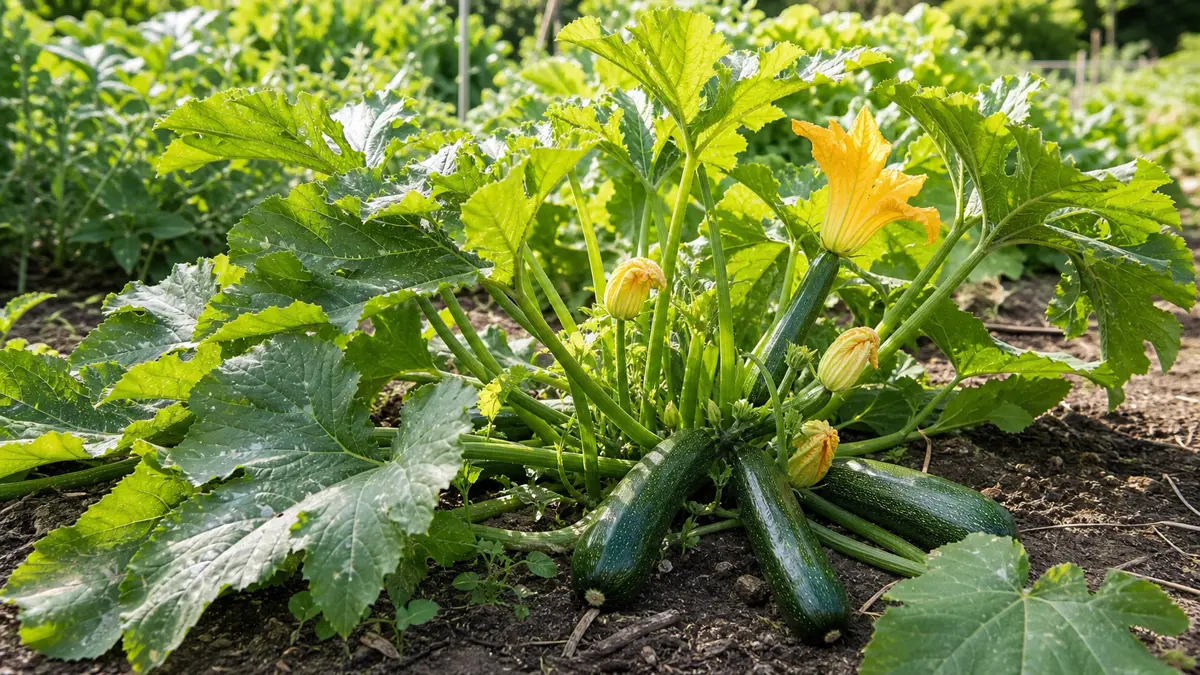
Squash takes more room than seedlings suggest; reserve warm soil, root-level water and space to pick often.
Kitchen garden
Use size, shine and firmness to judge harvest time, then adjust your routine for heat, moisture and poor pollination.
Kitchen garden
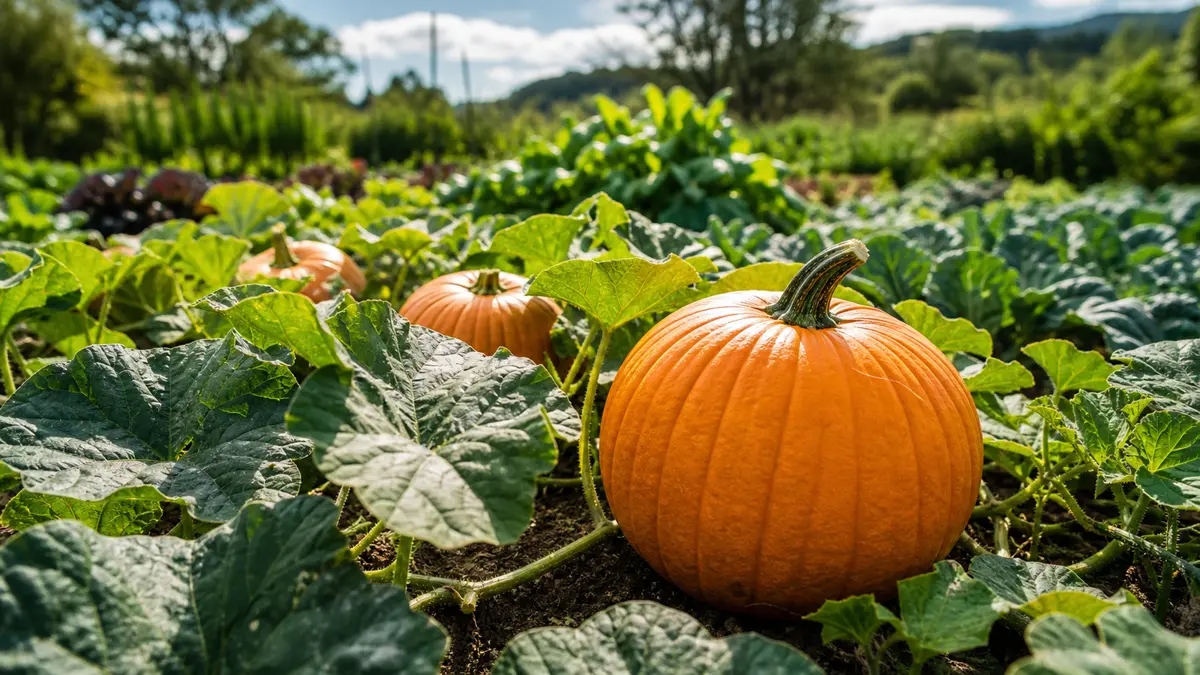
Pumpkins need compost-rich soil, room to run, steady water and support under fruit before vines sprawl.
Kitchen garden
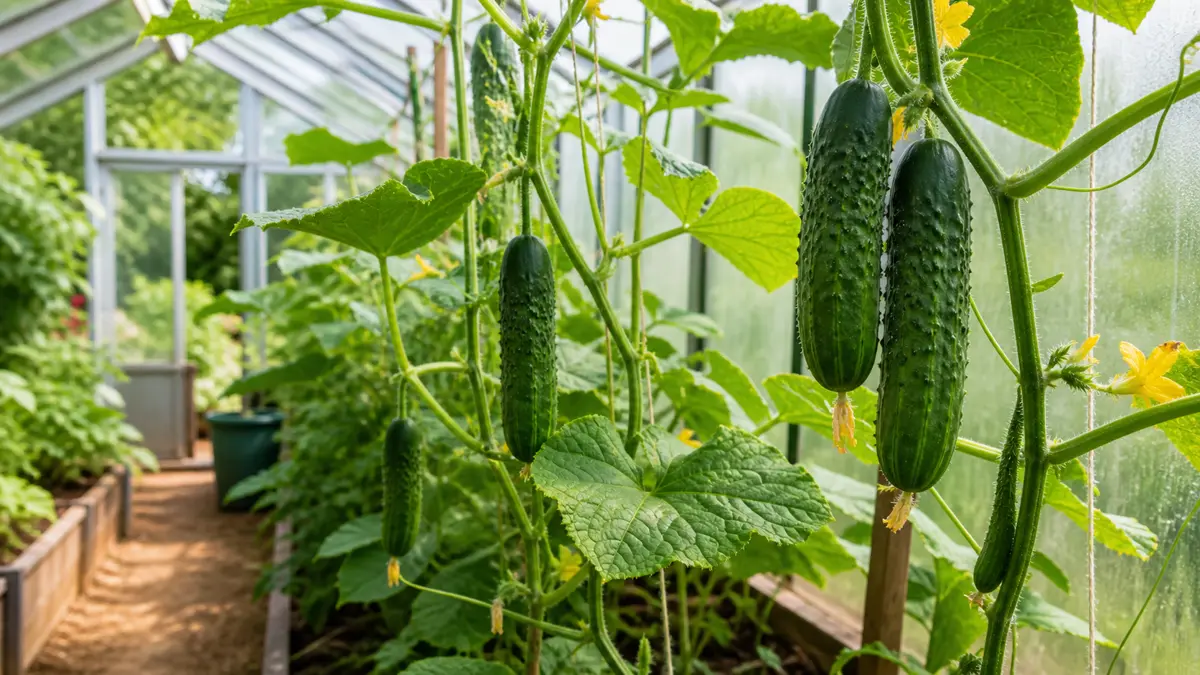
Cucumber choices change between greenhouse and outdoor beds; heat, support and mildew checks shape the plan.
Kitchen garden
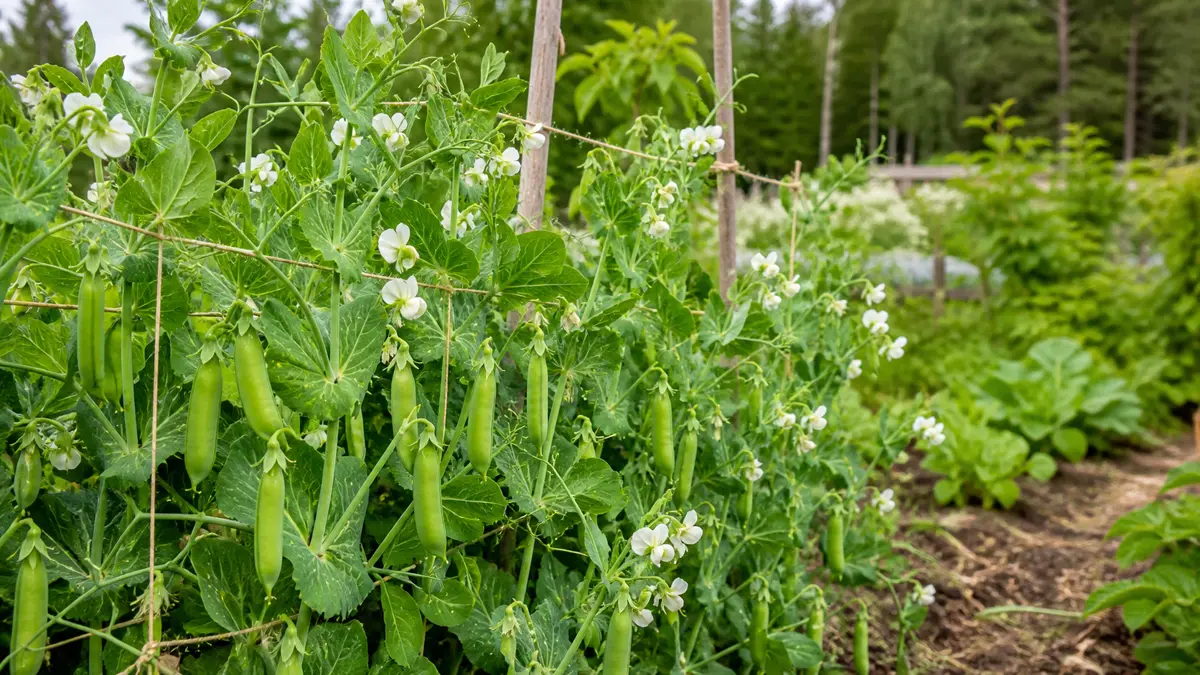
Sugar snap peas prefer a cool start, early support and a picking height you can check every day.

Kitchen garden
Match sowing time to winter drainage, brace the upright row and pick broad beans while the seeds are plump, green and tender.
Kitchen garden
Pressure-treated timber in vegetable beds is judged by age, lining, soil contact and safe disposal of old boards.
Kitchen garden
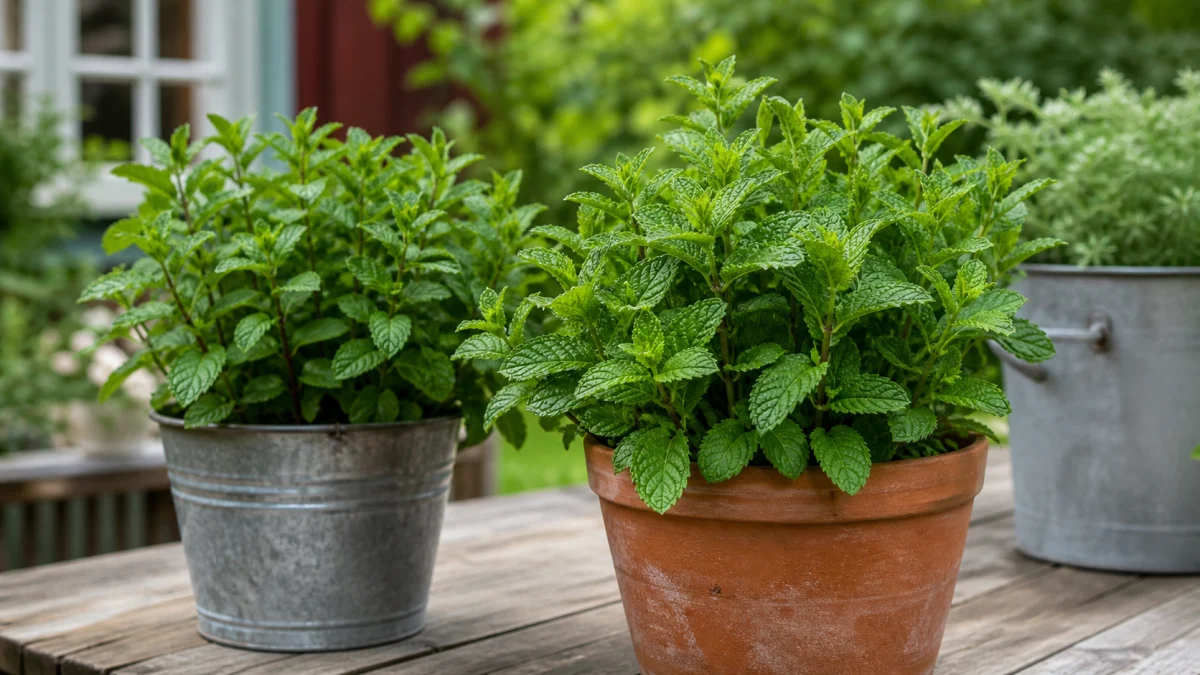
Mint is easiest near the kitchen in a container or separate bed, with runners contained and young shoots cut often.
Garden pests
Pest pages start with symptoms and vulnerable plant stages: roots in pots, silvered leaves, damaged lawns, larvae in soil or greenhouse outbreaks. Treatment comes after the pest is actually confirmed.
Garden pests
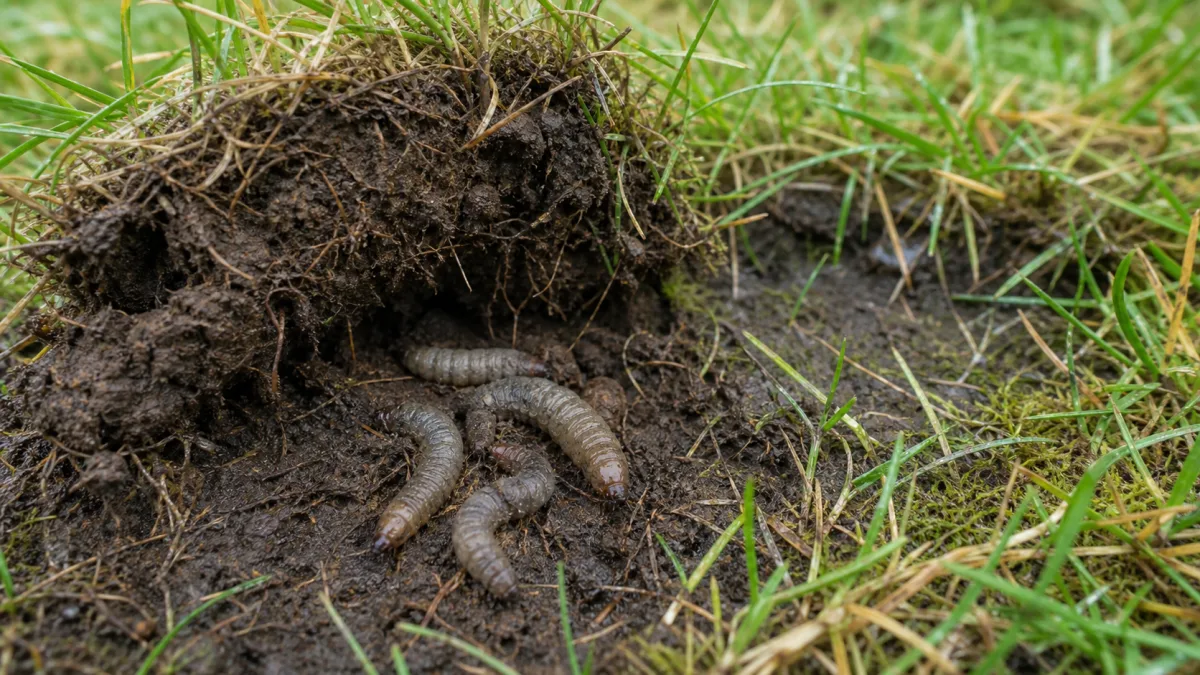
Leatherjackets are confirmed by checking turf roots and soil larvae; lawn treatment should follow identification.
Garden pests
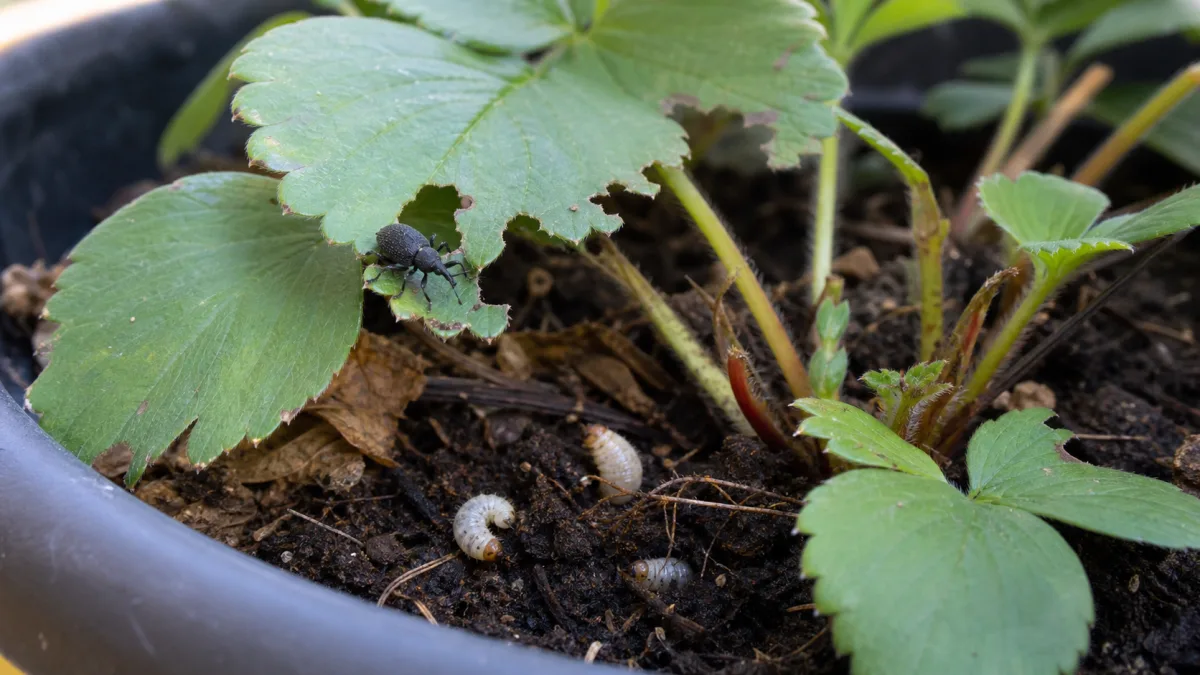
Vine weevil leaves notched foliage while larvae attack roots, with pots and container shrubs at special risk.
Garden pests
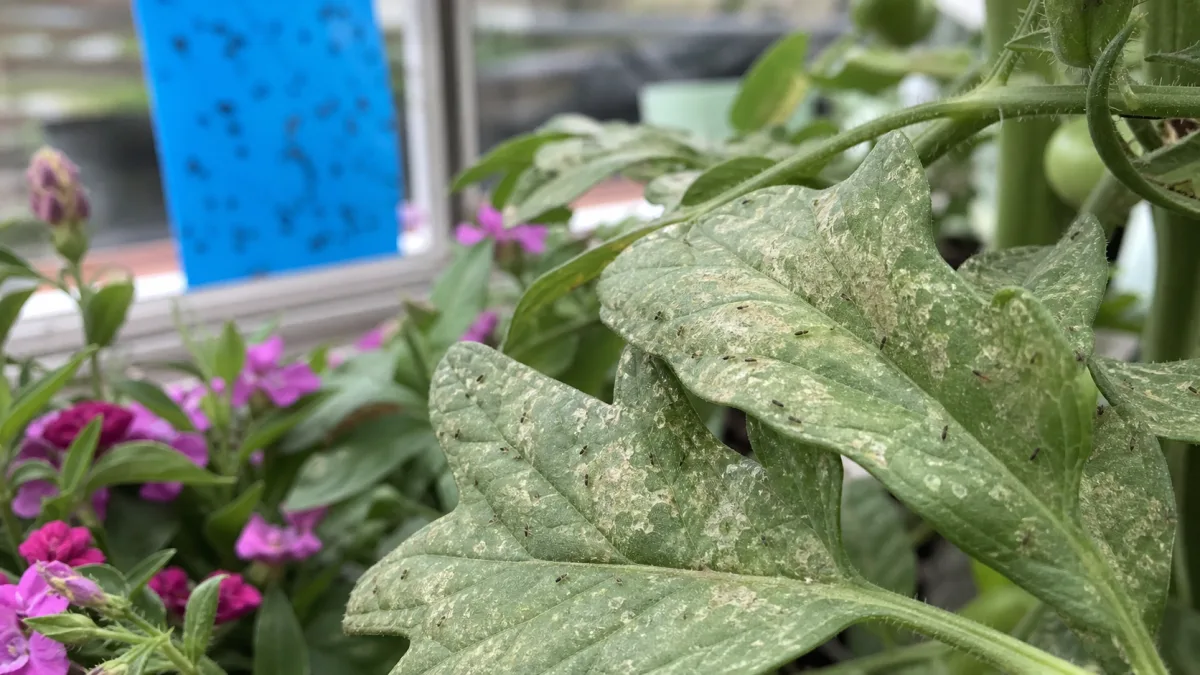
Thrips leave silvery patches and distorted flowers; humidity, monitoring and biological controls depend on the crop affected.
Garden pests
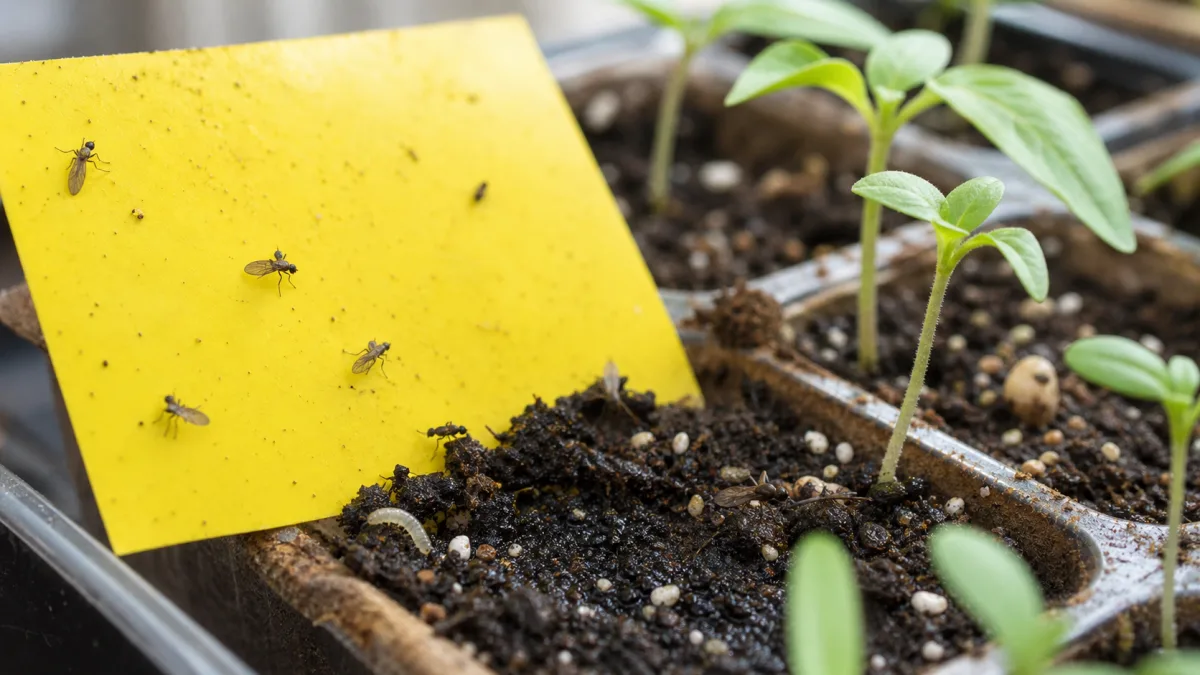
Fungus gnats follow constantly damp compost; sticky traps show adults, but larvae are the root-zone problem.
Shrubs and trees
Shrubs and fruit trees lock in root space, shade, pruning access and harvest work for years. Use these guides before planting beside paths, walls, lawns or beds that may be crowded later.
Shrubs and trees
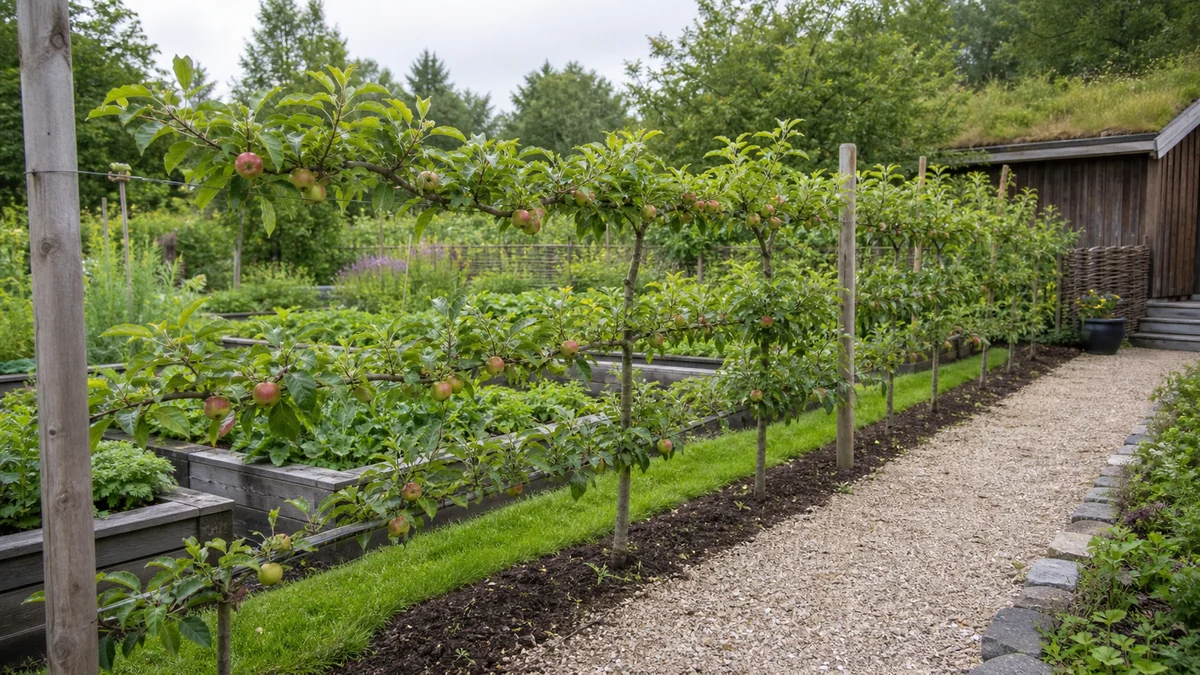
An apple hedge needs wires, weak-growing rootstocks, summer pruning and varieties that can pollinate each other.
Shrubs and trees
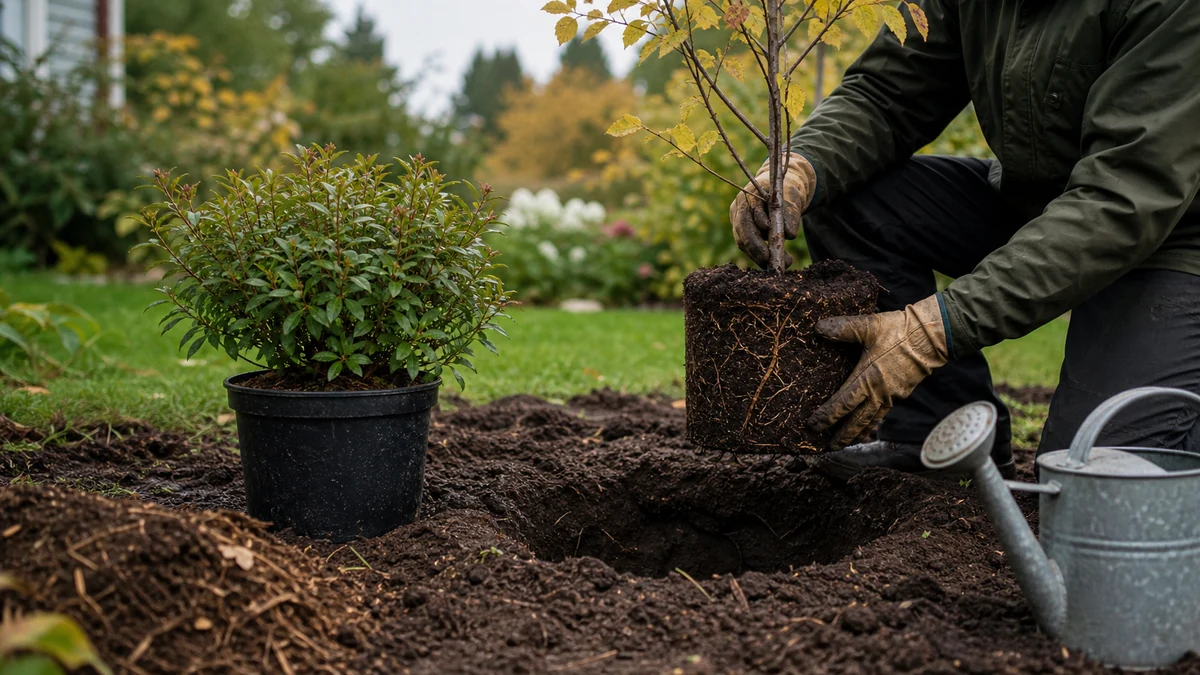
Choose dormant-season, autumn or in-season planting by rootball type, soil condition and watering follow-up.
Shrubs and trees
Use the dormant window as base, adjust for flowering biology and stress signals, and split heavy corrections so wound recovery stays visible and safer.
Shrubs and trees
Switch Ophelia and Polestar identify Hydrangea paniculata ‘Breg14’; plan its compact habit with steady moisture, drainage and new-wood pruning.
Shrubs and trees
Skyfall is Hydrangea paniculata ‘Frenne’, with narrow star-like sterile florets; allow for its roughly 1.2 m height guide and prune new wood deliberately.
Shrubs and trees
Bloomerang Dark Purple can rebloom when sun, drainage and pruning after the first flush line up.
Shrubs and trees
Black Tower combines dark foliage, flowers and bird fruit, so reserve room and renewal pruning access.

Shrubs and trees
All Summer Monet stays most useful when light, pot or soil space, regrowth and pruning time are matched.
Containers and baskets
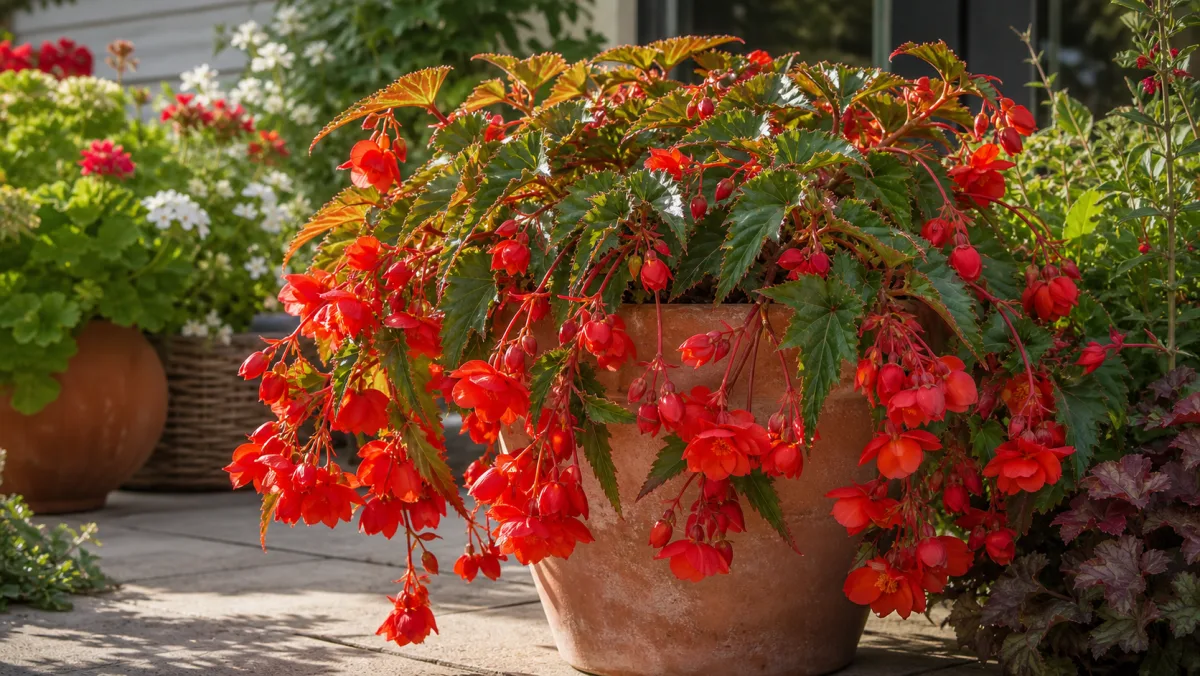
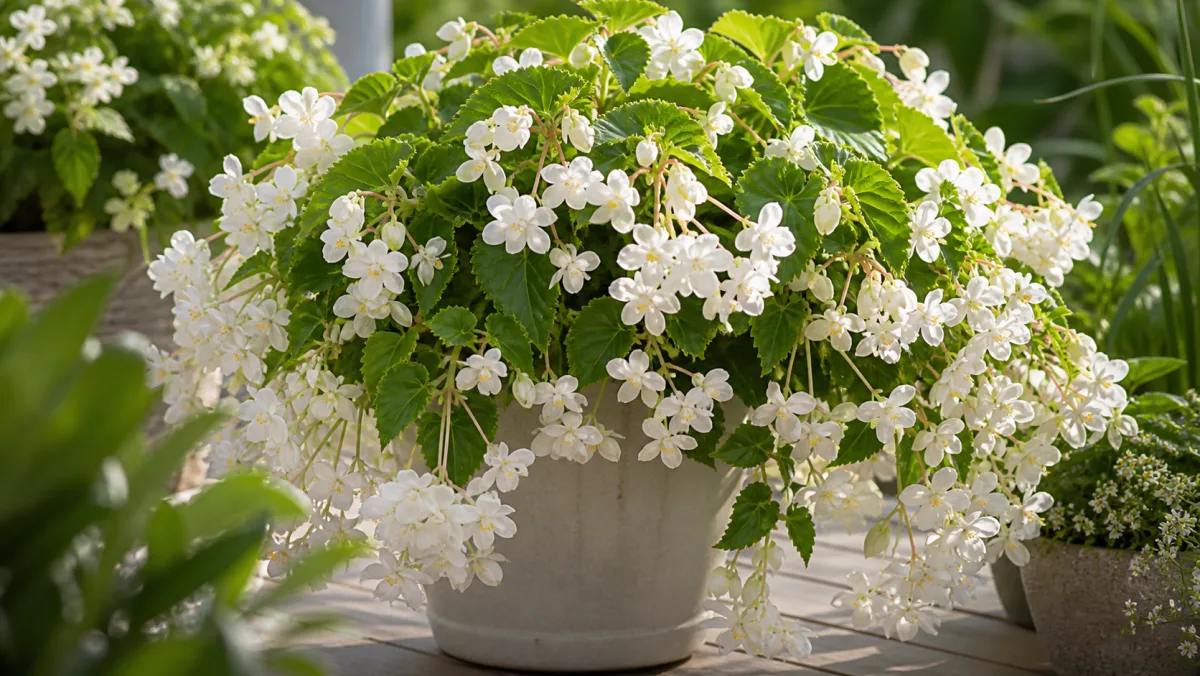
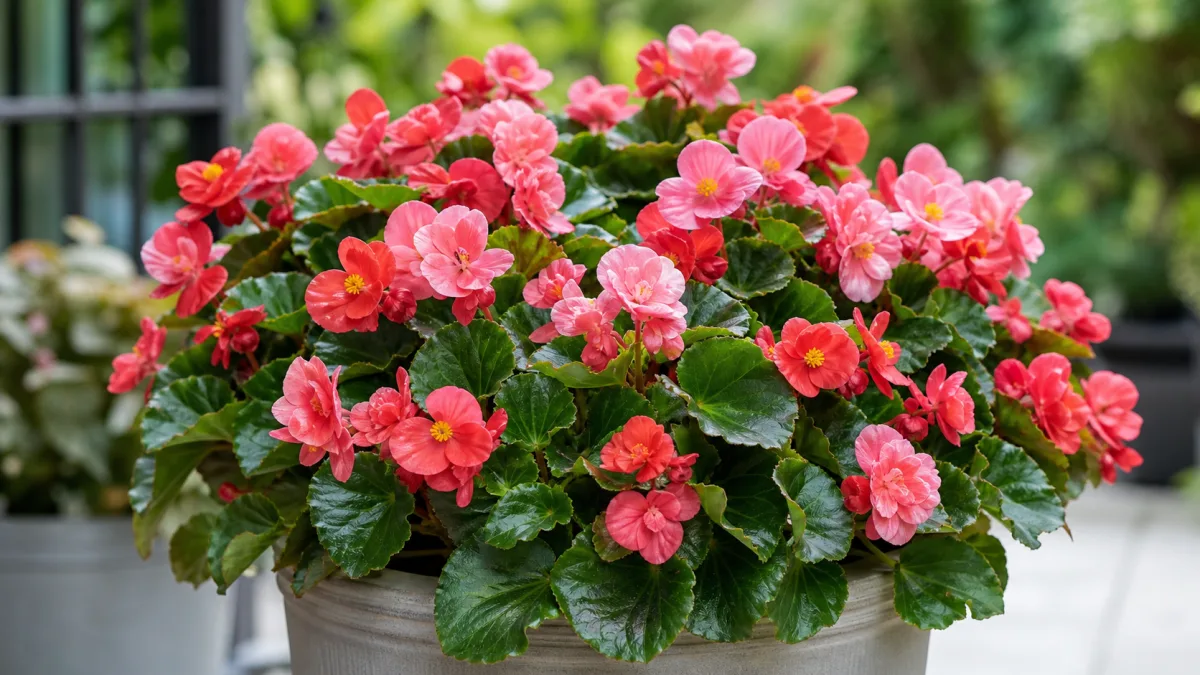
Trailing and compact begonias earn their place when the pot has drainage, filtered light, wind shelter and a watering routine that will still happen in warm weeks.
Begonia
Santa Cruz fills baskets when light is bright but filtered, wind is softened and drainage keeps frequent watering from turning sour.
Container plants
Grow the white Begonia boliviensis 'Santa Barbara' in a free-draining basket or mixed container, using the supplied label for seasonal care.
Begonia
Betulia may mean the original red non-tuberous cultivar or a current named-colour variant; check the full label, bright shade and drainage.
More garden guides
Each card points to the first practical decision for that subject: storage, sowing depth, support, water access, harvest timing, pest identification, pruning or whether the product fits the site.
Dahlias
Café au Lait Royal is a registered sport with flowers recorded to 160 mm; preserve its full name and plan support, cutting access and storage.
Dahlias
Dark foliage and red flowers stand out best when staking, shelter and regular cutting are planned before the stems lengthen.
Dahlias
Warm-toned blooms suit cutting beds if tubers start in warmth, stakes go in early and autumn lifting is already planned.
Dahlias
Cornel Brons is a registered 75 mm miniature ball dahlia; plan early support, clean cuts and labelled frost-free tuber storage.
Dahlias
Break Out needs richer soil, strong support and storage space for bulky tubers after its large pale blooms finish.
Dahlias
Treat Fairway Spur as a tall cutting dahlia: support first, water at the base and keep a path for harvesting stems.
Dahlias
Penhill Watermelon rewards space and air movement; heavy flowers need checking after rain or wind rather than late-season rescue staking.
Dahlias
This compact pink dahlia works where labels, slug checks and frost-free tuber storage will not be forgotten.
Dahlias
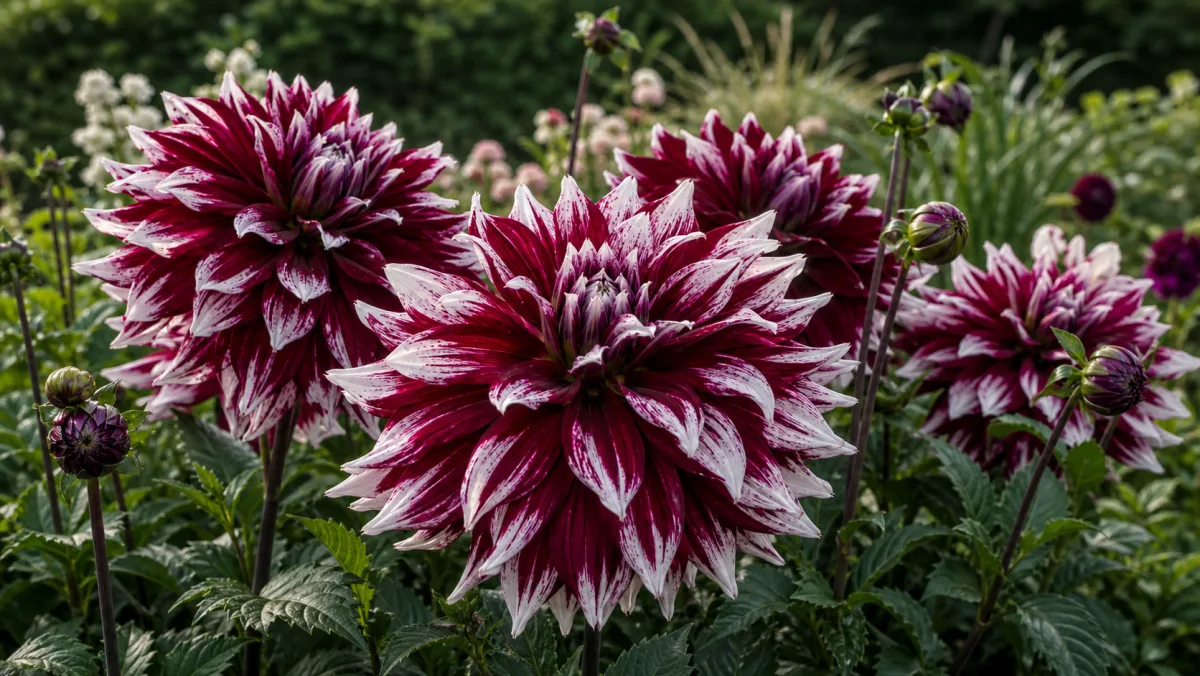
Tartan carries large burgundy-red decorative flowers tipped white; give the double heads shelter, early stakes and reachable deadheading.
Dahlias
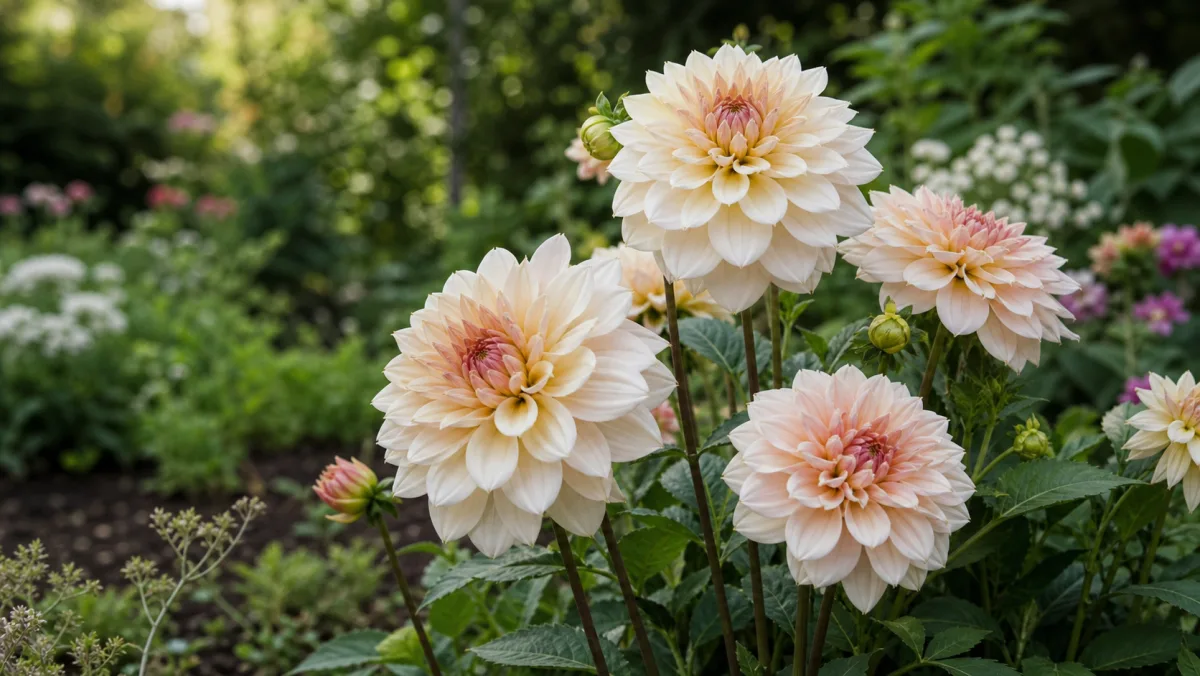
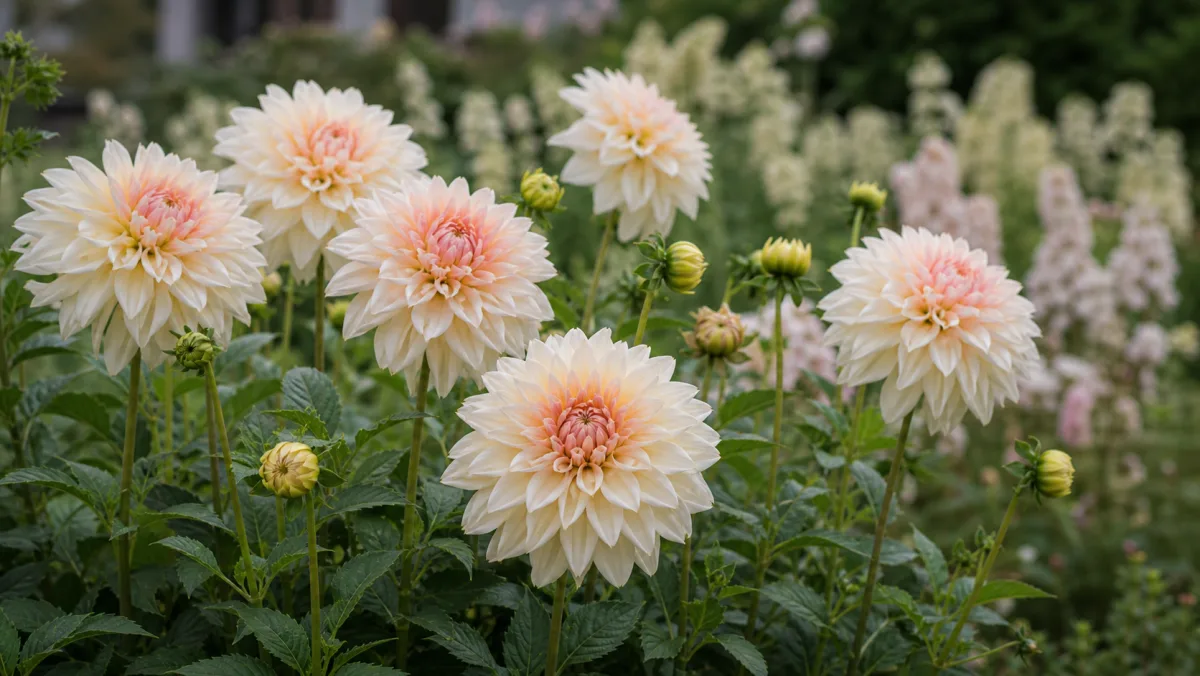
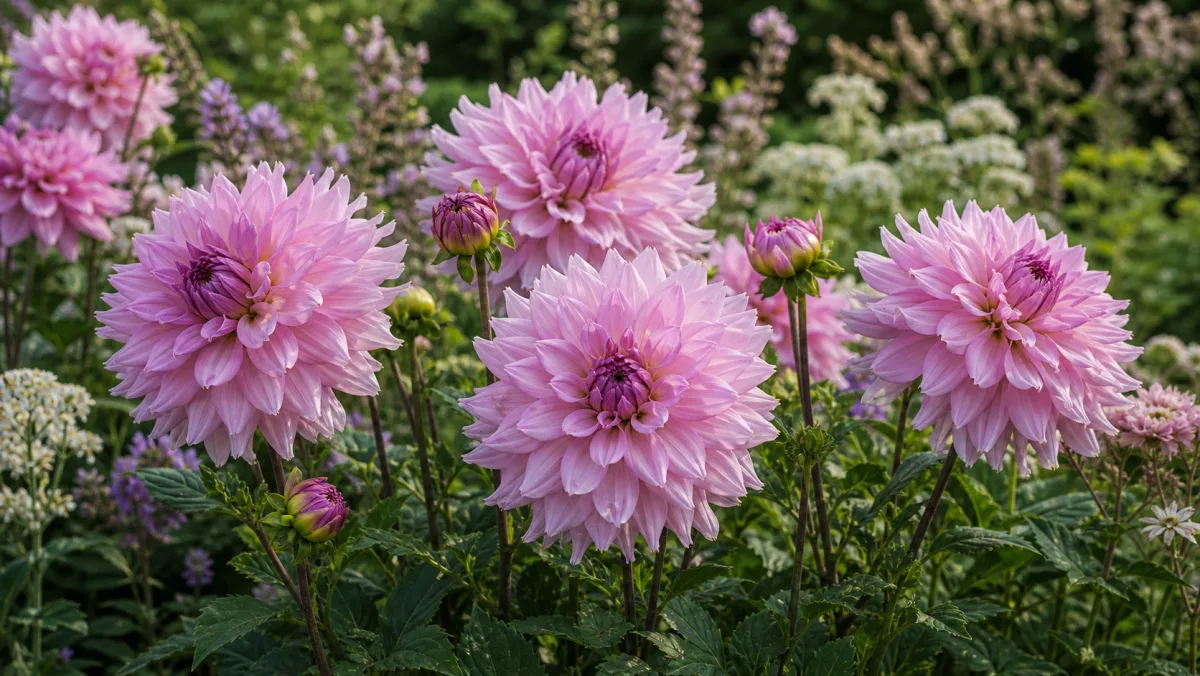
Diana’s Memory is recorded at about 70 cm with creamy-white, pink-flushed 10 cm flowers; give the close-range detail an accessible, drained position.
Dahlias
Lavender Perfection needs more width and taller support than a low bedding dahlia, especially once the flower heads gain weight.
Begonia
Santa Cruz fills baskets when light is bright but filtered, wind is softened and drainage keeps frequent watering from turning sour.
Dahlias
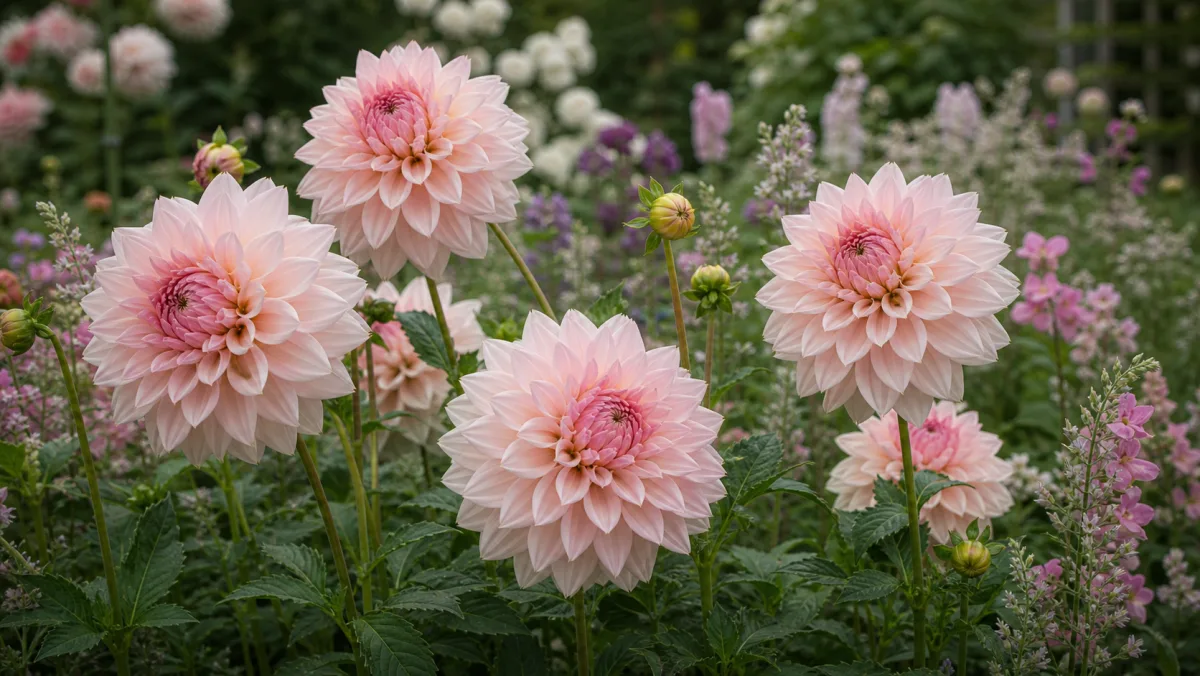
Choose a reachable border position for Cafe au Lait Rose so slugs, supports and cut flowers can be handled in time.

Dahlias
Penhill Dark Monarch needs generous spacing, firm staking and post-storm checks because the blooms are too heavy for casual support.
Dahlias
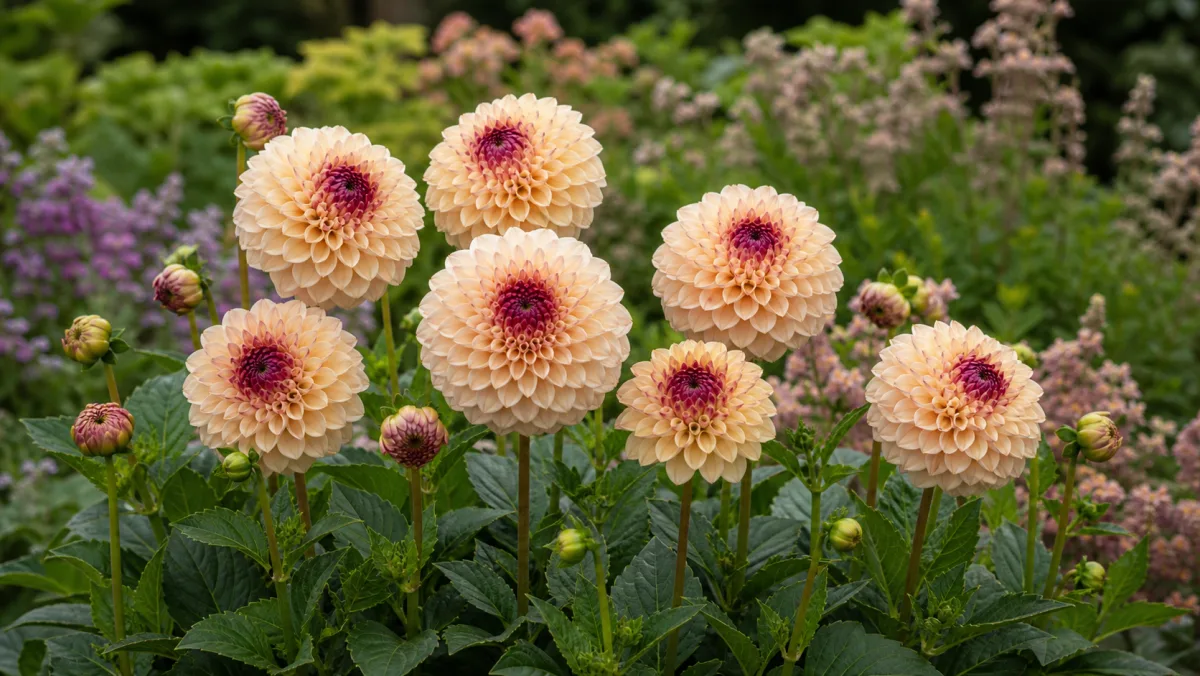
Wine Eyed Jill is most useful in an accessible bed where changing flower tones can be seen and cut often.
Container plants
Grow the white Begonia boliviensis 'Santa Barbara' in a free-draining basket or mixed container, using the supplied label for seasonal care.
Begonia
Betulia may mean the original red non-tuberous cultivar or a current named-colour variant; check the full label, bright shade and drainage.
Dahlias
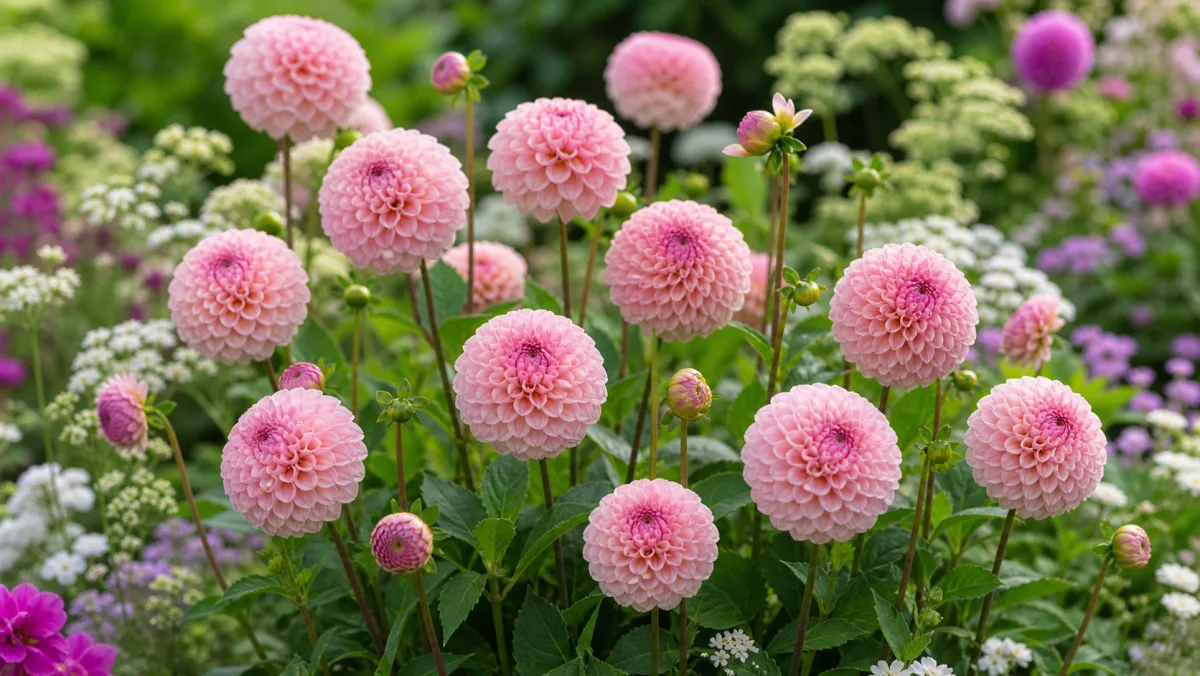
Wizard of Oz gives neat pompon stems for bouquets if the plant is kept open, tied early and harvested regularly.
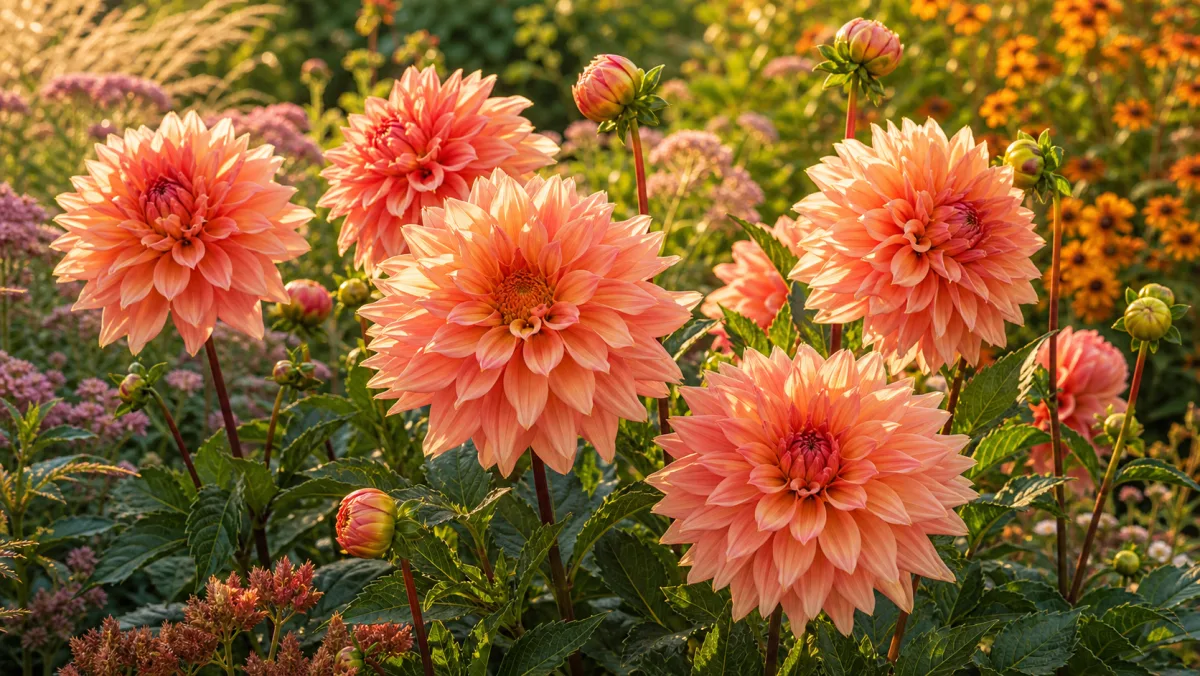
Dahlias
Belle of Barmera is not a filler plant; it needs space, soil fertility and a clear plan for lifting tubers.
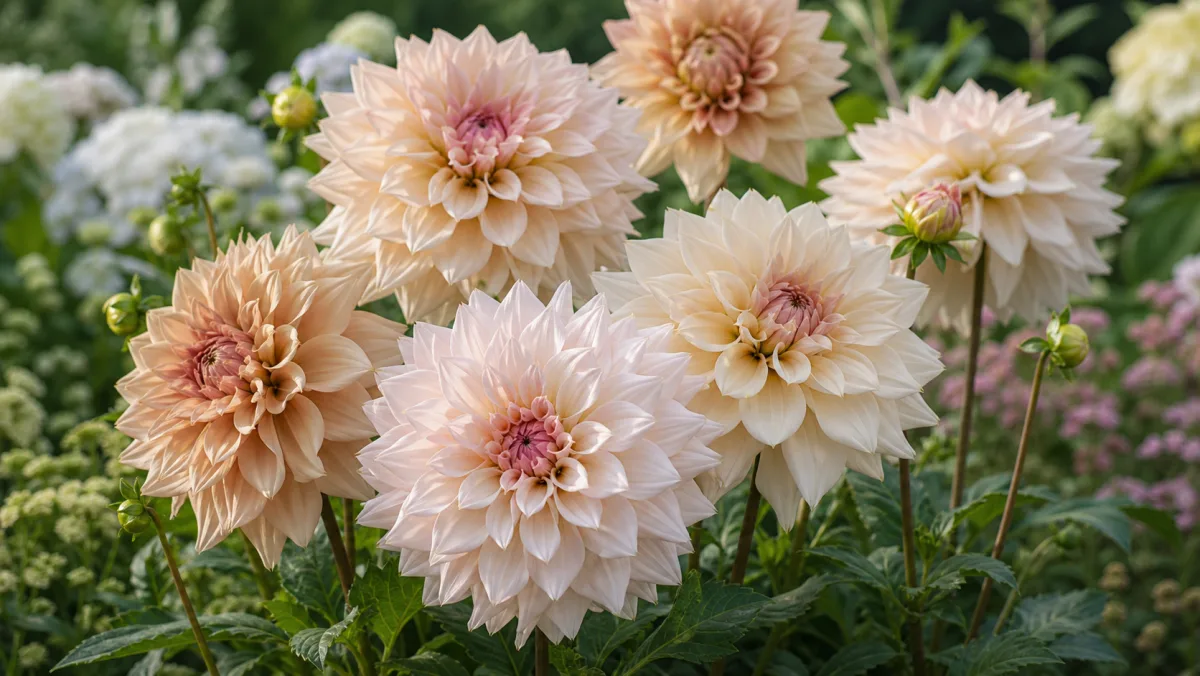
Dahlias
Cafe au Lait deserves a main border position with steady water, early support and enough room for large flowers.
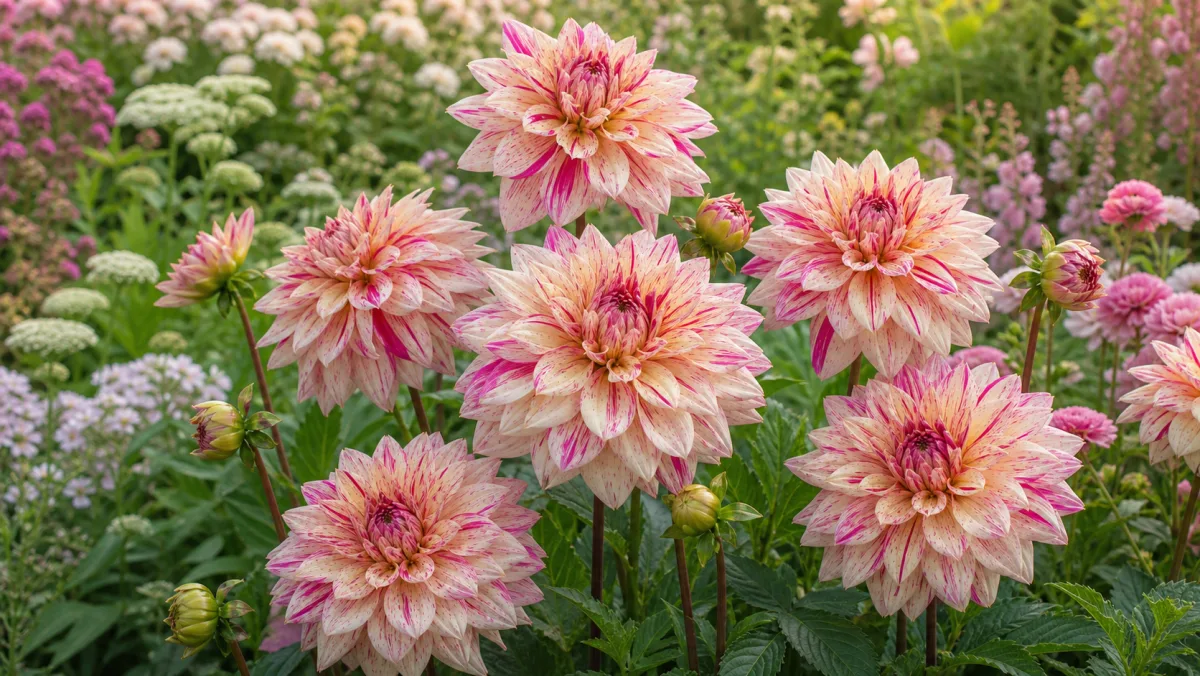
Dahlias
Cafe au Lait Twist shows its streaked petals best with restrained neighbours and access for cutting without stepping into the bed.
Seed mixes
Check the organic standard or verifier, then record the lot and trial the mix in a reachable row using species methods only for named groups.
Seed mixes
Use the packet's height range to map shade, wind and support before a mixed sunflower row becomes too large to edit safely.
Seed mixes
Verify the organic standard and packet contents, then test the annual mix in a bounded plot with a clear one-season measure.
Seed mixes
Summer cut flowers produce more usable stems when water is close, picking starts early and gaps can be resown.
Wildflower meadow
Confirm who controls the roadside strip, map sightlines and drainage, assess existing plants, then use locally appropriate meadow establishment and cut-and-collect.
Kitchen garden
Garlic is more predictable with healthy cloves, loose soil, cool-season planting and a dry curing spot after harvest.
Kitchen garden
Potatoes need loose soil, space for earthing up and a harvest route that will not compact the bed.
Kitchen garden
Carrots depend on deep fine soil, thin sowing and steady surface moisture while the smallest seeds germinate.
Kitchen garden
Cauliflower needs fertile soil, even moisture and brassica pest protection before the curd begins to form.
Kitchen garden
Tomatoes need clean support, root-level watering and airflow, especially if they grow under cover or close to other crops.
Kitchen garden
Removing tomato suckers matters most on trained plants, before foliage closes and side shoots turn into thick stems.
Kitchen garden
Jerusalem artichoke needs a contained corner because tubers left behind can resprout and crowd neighbouring beds.
Kitchen garden
Map soil type and drainage first, then apply in thin layers and reassess after two to four weeks.
Soil and kitchen garden
Choose oats, phacelia, clover, vetch or rye for a short cover, nitrogen fixation or deliberate overwintering.
Kitchen garden
Separate post-harvest cutting from autumn care, then wait for dormancy before adding winter straw.
Kitchen garden
Goji is easier to manage with wires or a trellis, pruning access and patience until berries are fully ripe.
Kitchen garden
Pair genetically distinct honeyberries with overlapping bloom, protect their shallow roots and taste the coloured flesh instead of harvesting on blue skin alone.
Kitchen garden
Black chokeberry gives autumn colour and tart berries for juice or jam when you plan space, suckers, sun and bird netting.
Kitchen garden
Preparedness garden: water first, then potatoes, Jerusalem artichokes, known edible plants, seaweed limits, fermentation and seed practice.
Kitchen garden
Sweet cherry decisions start with pollination, canopy space, bird pressure and blossom frost rather than fruit colour alone.
Kitchen garden
Apple trees are chosen by rootstock, pollination partner, graft height and the room needed to train the crown.
Kitchen garden
Diagnose nutrient need, feed safely and balance water, fruit load and canopy care for larger, healthier apples.
Kitchen garden
Separate apple scab, canker, brown rot and powdery mildew before pruning or clearing debris.
Kitchen garden
Reduce apple scab with cultivar choice, fallen-leaf management, removal of shoot scab and a canopy that dries quickly.
Kitchen garden
Thin apples after natural fruit drop, keeping the best fruit in each cluster with enough spacing for light, branch safety and steady sizing.
Kitchen garden
Clay soil needs raised roots, broad planting holes and drainage checks before fruit trees or berry bushes go in.
Shrubs and trees
An apple hedge needs wires, weak-growing rootstocks, summer pruning and varieties that can pollinate each other.
Shrubs and trees
Choose dormant-season, autumn or in-season planting by rootball type, soil condition and watering follow-up.
Shrubs and trees
Use the dormant window as base, adjust for flowering biology and stress signals, and split heavy corrections so wound recovery stays visible and safer.
Lawn care
Use regional weather, root depth and a healthy control patch to distinguish shaded moss, compacted traffic lines and drought-stressed repairs.
Kitchen garden
Pears need a warm position, a pollination match, patient training and safe access for picking fruit later.
Kitchen garden
Plum trees need rootstock-sized space, early-spring blossom awareness and a pollination check before the first pruning cuts are planned.
Kitchen garden
Peaches need shelter from late frost, rain on young leaves and peach leaf curl pressure before planting.
Kitchen garden
Choose grapes by ripening season as well as winter fit, install permanent support first, prune by cultivar and judge harvest by taste rather than colour alone.
Kitchen garden
Squash takes more room than seedlings suggest; reserve warm soil, root-level water and space to pick often.
Kitchen garden
Use size, shine and firmness to judge harvest time, then adjust your routine for heat, moisture and poor pollination.
Kitchen garden
Pumpkins need compost-rich soil, room to run, steady water and support under fruit before vines sprawl.
Kitchen garden
Cucumber choices change between greenhouse and outdoor beds; heat, support and mildew checks shape the plan.
Kitchen garden
Sugar snap peas prefer a cool start, early support and a picking height you can check every day.
Kitchen garden
Match sowing time to winter drainage, brace the upright row and pick broad beans while the seeds are plump, green and tender.
Kitchen garden
Pressure-treated timber in vegetable beds is judged by age, lining, soil contact and safe disposal of old boards.
Kitchen garden
Mint is easiest near the kitchen in a container or separate bed, with runners contained and young shoots cut often.
Buying guide
When ordering dahlia tubers, check cultivar name, crown condition, dispatch timing and frost-free holding space.
Buying guide
Flower bulbs ordered online need clear bulb size, firmness, planting depth and dry storage until the right window.
Buying guide
Seed packets are useful only when expiry date, germination expectations, crop cycle and seedbed plan match your season.
Buying guide
An online garden shop is judged by delivery timing, returns, plant condition and where a parcel can wait safely.
Buying guide
Annual flowers from seed need a prepared seedbed and a realistic watering route before tiny seedlings meet weeds or a dry week.
Cutting garden
Lay out paths, support and a water station before sowing so each cutting row can be harvested without crushed roots or thirsty stems.
Garden planning
Separate meadow, annual patch and bee lawn first; then tackle fertility, perennial weeds and seed-to-soil contact before sowing.
Garden planning
Find the quiet weeks in the flowering calendar, then add plants and habitat that extend the border's value beyond one colorful peak.
Ornamental containers
Container flowers depend on pot volume, drainage holes, fresh compost and a watering rhythm you can keep.
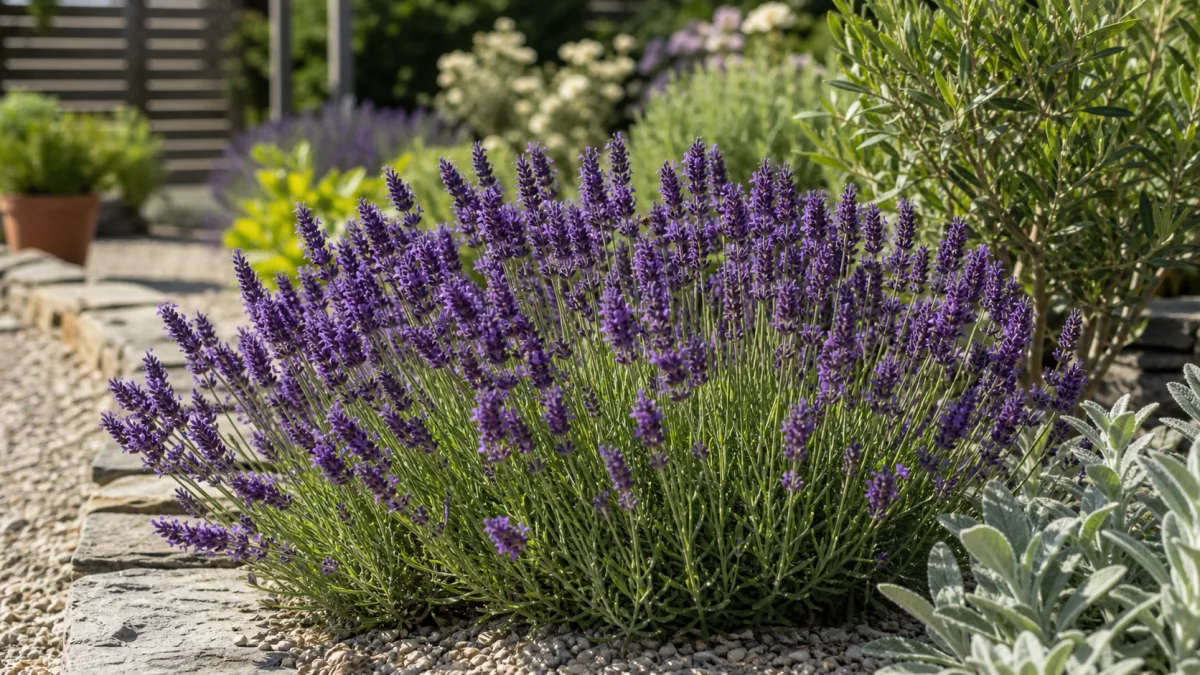
Flowers and perennials
Lavender earns a dry, sunny edge or container only where winter wet, rich compost and shade will not work against its woody habit.
Annual flowers
Use the botanical label to separate compact French marigolds from taller African types before assigning their bed or container role.
Border plants
Thread Verbena bonariensis through a sunny, freely drained border where open stems add height without blocking the view.
Flowers and perennials
Salvia choices start with species hardiness and flower height; the right plant may be a short annual spike or a perennial border anchor.
Flowers and perennials
Pelargoniums belong in pots you can move before frost, with drainage and deadheading close enough for regular summer care.
Flowers and perennials
Calibrachoa spills from baskets and window boxes, so pot volume, drainage holes and steady feeding matter more than the flower colour mix.
Container plants
Use Bidens at a sunny container edge, with enough root volume and drainage to support the trailing growth above it.
Flowers and perennials
Osteospermum is half-hardy, so treat the daisy flowers as a bright container display that can be sheltered when cold returns.
Buying guide
Dahlias in containers need a large pot, open drainage holes, firm staking and frost-free tuber storage.
Buying guide
A wire-free robot mower only makes sense after mapping charging access, slopes, narrow passages, boundary zones and obstacles.
Buying guide
A pergola is a structure decision first: anchoring, wind load, snow load, drainage and maintenance need space in the plan.
Buying guide
An outdoor kitchen starts with heat-safe surfaces, smoke, grease splash, water access and winter storage before any finish or worktop choice.
Buying guide
Drip irrigation helps only when filter, pressure, timer access and winter draining are planned from the start.
Garden care
During a heatwave, check root-zone moisture before prioritising seed trays, small pots, new planting and fruiting crops.
Buying guide
Choose a greenhouse after resolving foundation, anchoring, ventilation, shade and how water will reach it.
Garden pests
Leatherjackets are confirmed by checking turf roots and soil larvae; lawn treatment should follow identification.
Garden pests
Vine weevil leaves notched foliage while larvae attack roots, with pots and container shrubs at special risk.
Garden pests
Thrips leave silvery patches and distorted flowers; humidity, monitoring and biological controls depend on the crop affected.
Garden pests
Fungus gnats follow constantly damp compost; sticky traps show adults, but larvae are the root-zone problem.
Buying guide
Weatherproof furniture is chosen by material, folding, cleaning, rain exposure and where it can be stored.
Shrubs and trees
Switch Ophelia and Polestar identify Hydrangea paniculata ‘Breg14’; plan its compact habit with steady moisture, drainage and new-wood pruning.
Shrubs and trees
Skyfall is Hydrangea paniculata ‘Frenne’, with narrow star-like sterile florets; allow for its roughly 1.2 m height guide and prune new wood deliberately.
Shrubs and trees
Bloomerang Dark Purple can rebloom when sun, drainage and pruning after the first flush line up.
Shrubs and trees
Black Tower combines dark foliage, flowers and bird fruit, so reserve room and renewal pruning access.
Shrubs and trees
All Summer Monet stays most useful when light, pot or soil space, regrowth and pruning time are matched.