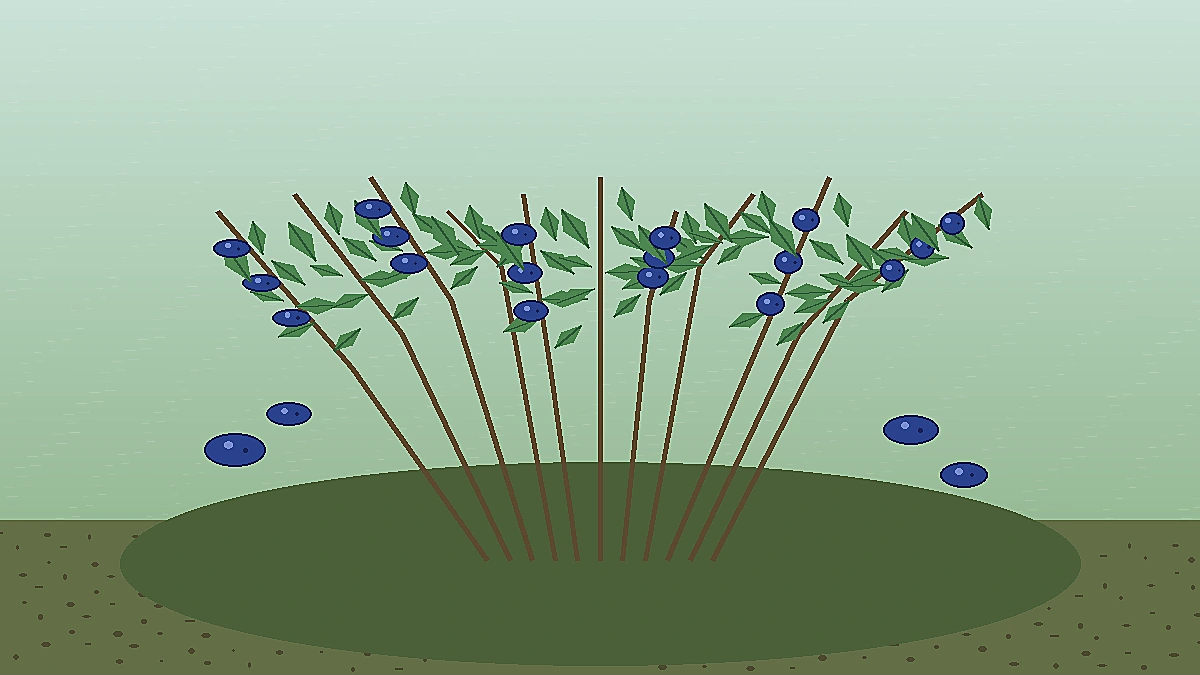
A honeyberry planting succeeds or fails first at the labels. These are not male-and-female shrubs: fruit set depends on cross-pollination between genetically distinct, compatible cultivars that flower at the same time. Buy a documented pair and keep both names. The second trap arrives at harvest, when the elongated berries can look blue while the inside is still green and sharply acidic. A taste check and coloured flesh are a better ripeness signal than skin colour or a fixed date copied from another climate.
Growing honeyberries: choose a compatibility pair before choosing positions
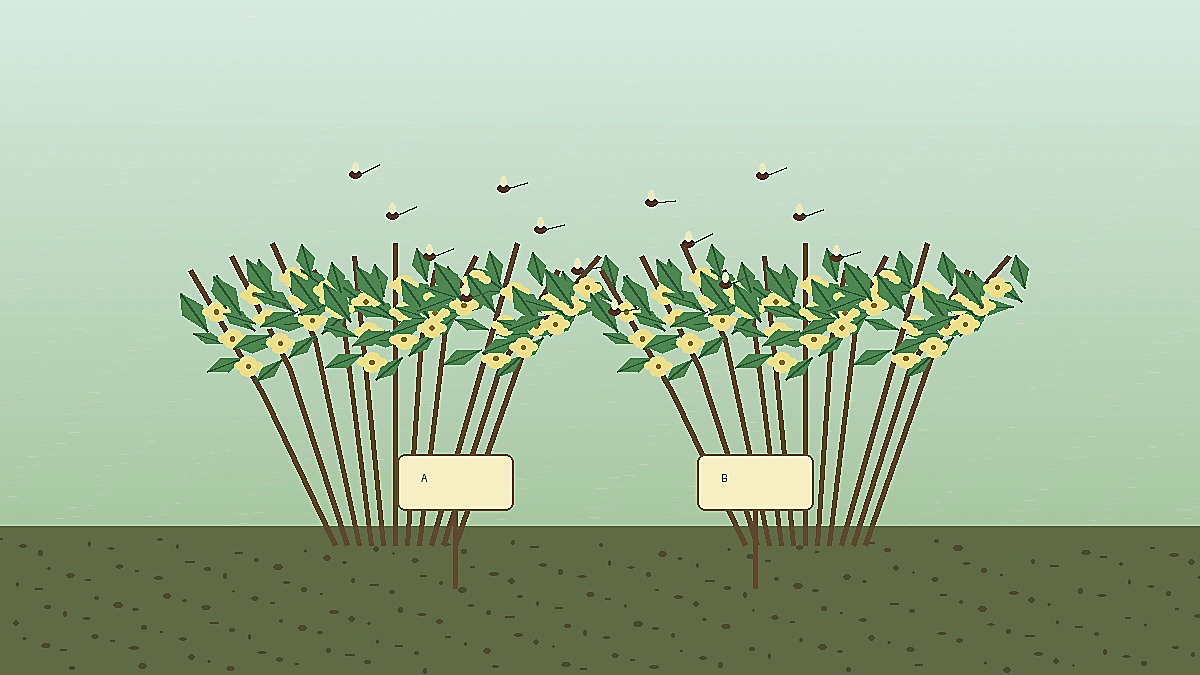
Honeyberry, or haskap, is Lonicera caerulea. Its very early flowers can overlap cold and unsettled weather, so the garden needs more than two anonymous shrubs. The cultivars must be genetically suitable for cross-pollination and their actual bloom windows must coincide.
Use a breeder or research compatibility chart that lists both cultivar names, or obtain a pairing statement from a specialist nursery. Labels such as early, mid or late are useful only within the system that defined them; a pair from unrelated catalogues may use those words differently. Keep the tags because replacing one dead plant later requires the surviving name.
Two plants are a minimum design, not a magic number. More compatible cultivars can broaden overlap and spread harvest, but only if their identity and spacing are manageable. Do not describe one shrub as male and the other as female.
Give shallow roots stable moisture without stagnant soil
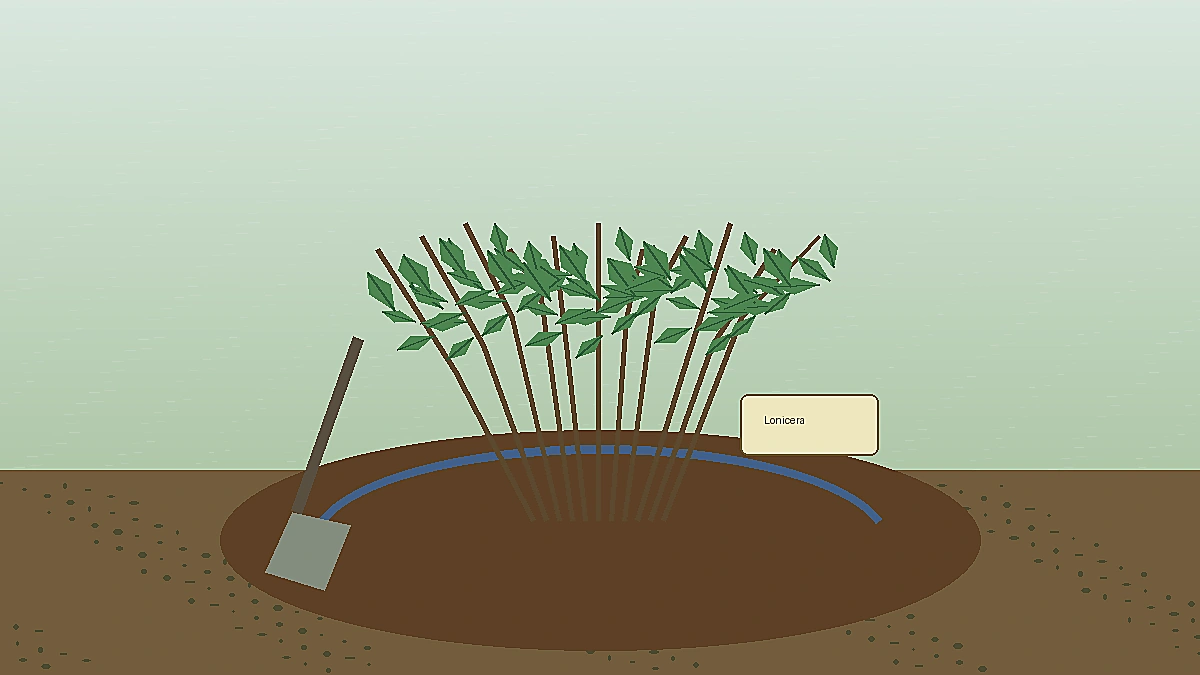
Full sun supports the strongest flowering and ripening. Choose a site where the soil drains after rain but does not dry abruptly. Honeyberries have a relatively shallow root system, so competition from dense grass is a more immediate problem than it would be for a deeply rooted tree.
Clear a generous weed-free area, follow the named cultivar or supplier's planting-depth instruction and water the entire root zone. An organic surface mulch can slow moisture loss and suppress new weeds; keep it clear of the stems and renew it before turf closes back over the edge. Avoid digging deeply around established plants.
Place the compatible cultivars close enough for pollinating insects to move between them, without crowding their mature canopies. Exact spacing belongs to the cultivar's expected spread and the access needed for netting and harvest, not to one global measurement.
- Retain both cultivar labels.
- Remove grass from the shallow root zone.
- Leave access around each shrub for harvest and protection.
Check the flesh, flavour and whole shrub
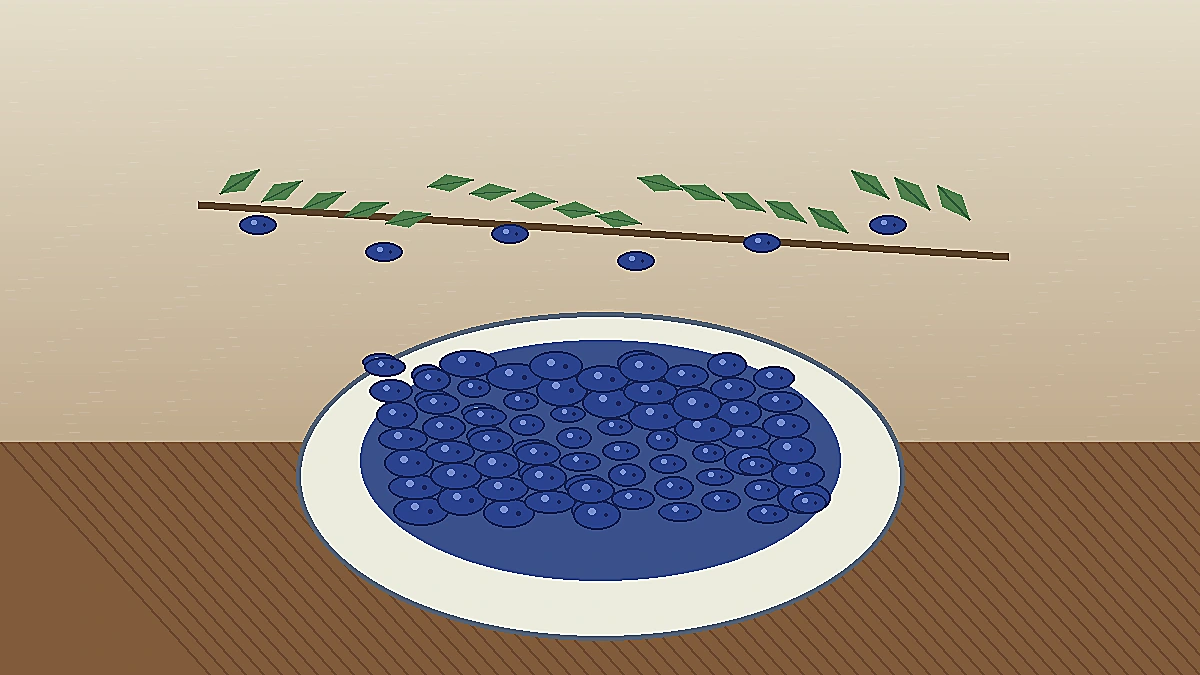
Blue skin can develop before the flesh is ripe, so taste a berry and look inside before harvesting a bowl. Internal ripening can lag visible colour by several days. That lag is useful as a warning, not a transferable countdown for every cultivar and climate.
Sample berries from more than one part of each shrub. A ripe berry should have developed its characteristic flavour and coloured flesh; an opaque green interior and sharp acidity indicate more time may be needed. Some cultivars soften or release more readily when ripe, but the named cultivar's guidance should set that expectation.
Birds can strip a honeyberry bush before the flesh is ripe, so install bird netting before the berries turn blue and secure the bottom to stop birds entering underneath.
Pick into shallow containers so elongated fruit is not crushed. If a sheet or catch tray is used under a cultivar that releases ripe berries easily, keep fallen fruit clean and process it promptly. Record first blue colour and first good flavour separately; the gap becomes a useful garden-specific harvest signal.
Questions about honeyberries
Do honeyberries have male and female plants?
No. The practical issue is compatible cross-pollination, not buying one male and one female. Plant at least two genetically distinct, compatible cultivars whose bloom periods overlap.
Why are my blue berries still sour?
Blue skin can appear before the flesh reaches full flavour. Cut one open and check that the flesh is coloured rather than green, then taste it; timing varies by cultivar and weather.
Can any two honeyberry cultivars pollinate each other?
Not safely as a general rule. Some related cultivars may not provide useful cross-pollination, and bloom windows can miss. Use a current compatibility chart or nursery pairing for both names.
How do I protect honeyberries from birds?
Cover the shrubs before the berries turn blue, support the net above the branches and secure its lower edge. Choose wildlife-safe mesh and check the cover often so birds or other animals do not become trapped.
How much pruning does honeyberry need?
Young plants need little beyond damaged-wood removal. As an older shrub becomes crowded, renew selected older stems rather than shearing the whole plant into a dense shell; choose the season from local guidance.
Four records that improve the planting
- At purchase: record the two or more cultivar names, the stated compatibility relationship and the nursery's expected bloom group.
- At flowering: note actual overlap, frost or weather interruptions and whether insects are moving between shrubs; do not infer compatibility from flower colour alone.
- At harvest: record blue-skin date, flesh colour and first acceptable taste for each cultivar rather than assigning one date to the whole row.
- As shrubs age: remove damaged wood first, then renew selected older stems when crowding reduces light and picking access; avoid routine hard shearing of young plants.
Labels, root care and flavour complete the harvest plan
A productive honeyberry patch begins with labelled compatible cultivars, continues with protected shallow roots and bird netting, and ends with a taste test rather than blue skin alone.