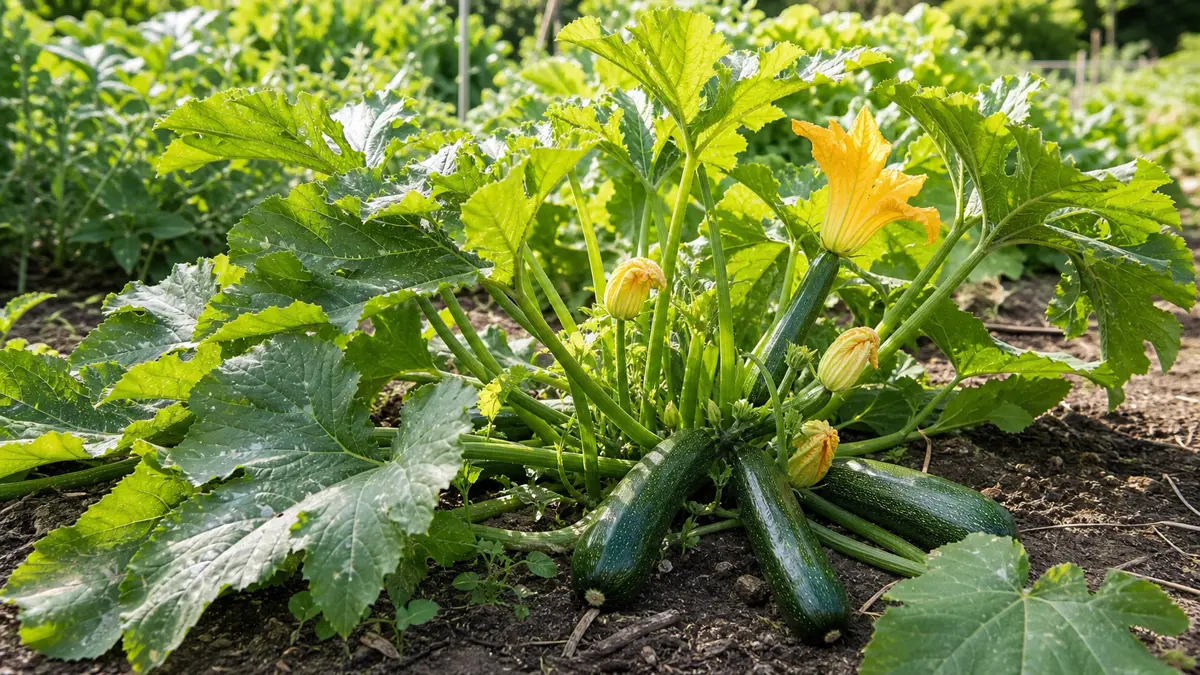
Squash can be a useful and rewarding choice when it is matched with the right site, soil and amount of care. This guide explains how to assess the plant before you choose seeds, tubers or plants, how to establish it, and what usually causes weak results in garden conditions.
Updated 28 May 2026
Quick facts
| Type | cucurbit crop |
|---|---|
| Colours | Store grønne blader, yellowe blomster and grønne frukter |
| Height | 50-100 cm bred plante |
| Harvest | Juli to september når fruktene er unge and faste |
| Planting/sowing | Sås inne i mai and plant out etter frøst |
| Placement | Warm, solrik plass with kompostrik soil |
Character and best uses
Squash should be read as a practical garden choice. The important question is not only whether it looks attractive, but whether it fits the soil, light, season length and care you can actually provide.
For this article the key signals are cucurbit crop, store grønne blader, yellowe blomster and grønne frukter, height around 50-100 cm bred plante, and a site described as warm, solrik plass with kompostrik soil. Those details decide where the plant or seed mix belongs.
A good plan gives each choice a role: structure in a border, material for cutting, food from a small bed, colour on a terrace, or flowers for pollinators. When the role is clear, maintenance becomes easier to repeat.
- small kitchen gardens where timing matters
- growers who want clear harvest and care routines
- beds with enough access for watering, weeding and picking
Checkpoints before you choose
Use Squash as a practical garden decision, not just as a picture or product name. The strongest results come when the choice is tied to a real site and a realistic care routine.
- Check sowing or planting time before you prepare the bed.
- Choose a place with enough sun, soil volume and access for watering.
- Plan harvesting before the plants fill the bed.
- Note where the crop grows so rotation is easier next year.
How to plant or sow
Start Squash when the season and growing medium are ready. Rushing into cold soil, dry compost or a cramped pot is one of the most common reasons for uneven growth.
Prepare the site before planting or sowing. Remove perennial weeds, loosen compacted soil, add mature compost where useful, and check that water can drain away instead of standing around roots or seed.
Label the place clearly. Many losses happen because young shoots are forgotten, weeded out or crowded by later plantings. Labels also make it possible to compare choices honestly after the season.
Season plan
- Spring: prepare soil and sow or plant Squash at the right temperature.
- Summer: keep growth even with water, weeding and simple notes.
- Harvest: pick at the right stage and clear the bed before problems build up.
Care through the summer
Squash does best with steady attention rather than occasional rescue work. Check moisture, growth and leaf quality regularly, especially after wind, heavy rain or warm dry spells.
Water thoroughly when needed, keep access open, and correct small problems early. Support, thinning, deadheading, harvesting or removing damaged leaves is easier before the planting becomes dense.
At the end of the season, note what produced the strongest result. Those notes are often more useful than another long list of new possibilities next spring.
Common mistakes to avoid
Most weak results come from timing, soil or water. Use this list as a quick check before the season starts:
- starting too early or too late for the local season
- choosing a site before checking soil and light
- watering unevenly during the most active growth period
- forgetting labels, support or harvest access
- keeping weak plants in place instead of correcting the plan
Good combinations in beds and containers
Use Squash with neighbouring plants that support its role. Repeat a colour, height or leaf texture nearby so the planting feels intentional through the whole season.
In a small garden, a few coherent choices usually work better than many unrelated experiments. In a larger border, repeat the same plant or crop in more than one place to create rhythm and make care easier.
FAQ about Squash
When should I plan Squash?
Start before the busiest part of the season, so soil, containers, support and watering can be prepared calmly.
Can Squash work in a container?
Often yes, if the container is large enough, drains well and can be watered evenly through warm periods.
What matters most for reliable results?
Match the plant or seed mix with the site, prepare soil properly and keep care routines simple enough to repeat.
How do I learn from the season?
Label the planting, note timing and weather, and compare the result with the choices you made before planting.
How this guide is made
This guide is written as independent cultivation content for practical garden planning. The advice is based on growing site, season, soil, watering, use and common mistakes, not on stock messages or campaigns from individual shops.