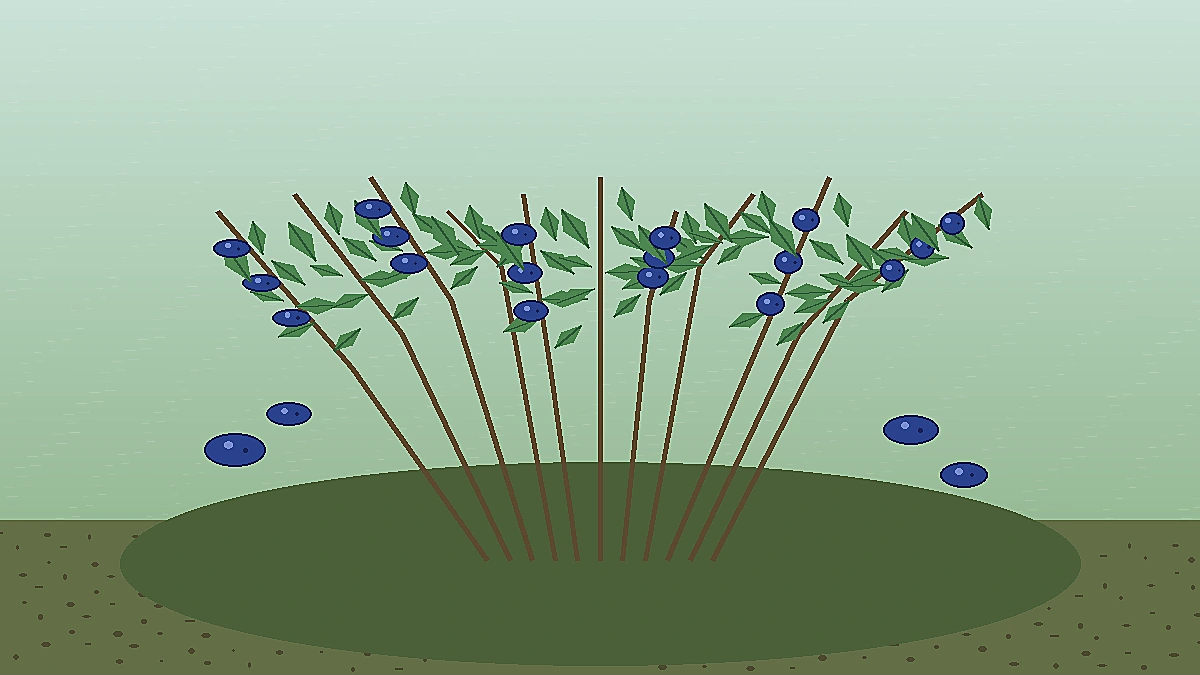
Honeyberry, or haskap, is the edible blue-fruited form of Lonicera caerulea. It is useful where winters are cold and spring comes late, but it is not a plant-and-forget fruit: good crops depend on two varieties that flower together, steady moisture while berries swell, and harvest timing based on taste rather than blue skin alone.
Updated 13 June 2026
Quick facts
| Type | deciduous edible honeysuckle shrub |
|---|---|
| Botanical name | Lonicera caerulea |
| Hardiness | very cold-hardy when established |
| Size | usually 1-2 m high and wide, depending on cultivar |
| Flowering and harvest | pale yellow early flowers; blue berries before or around strawberry season |
| Pollination | plant at least two compatible varieties with overlapping bloom |
Character and best uses
Honeyberry is not a blueberry substitute in the soil. It grows as a small shrub in ordinary, well-drained garden soil and does not need an acid bed. The fruit is long, blue and often the first soft fruit of the season.
The flavour can be blueberry-raspberry sharp, blackcurrant-like or gently sweet, depending on cultivar and ripeness. Blue skin appears before the inside is fully ripe, so early picking is the main reason people decide they dislike the fruit.
- use honeyberry as an edible hedge, a compact fruit shrub or a large container plant
- choose a spot where bird netting can be fitted before fruit colours
- give full sun for better flavour and denser flowering
- buy named haskap cultivars rather than anonymous edible honeysuckle plants
Site checks
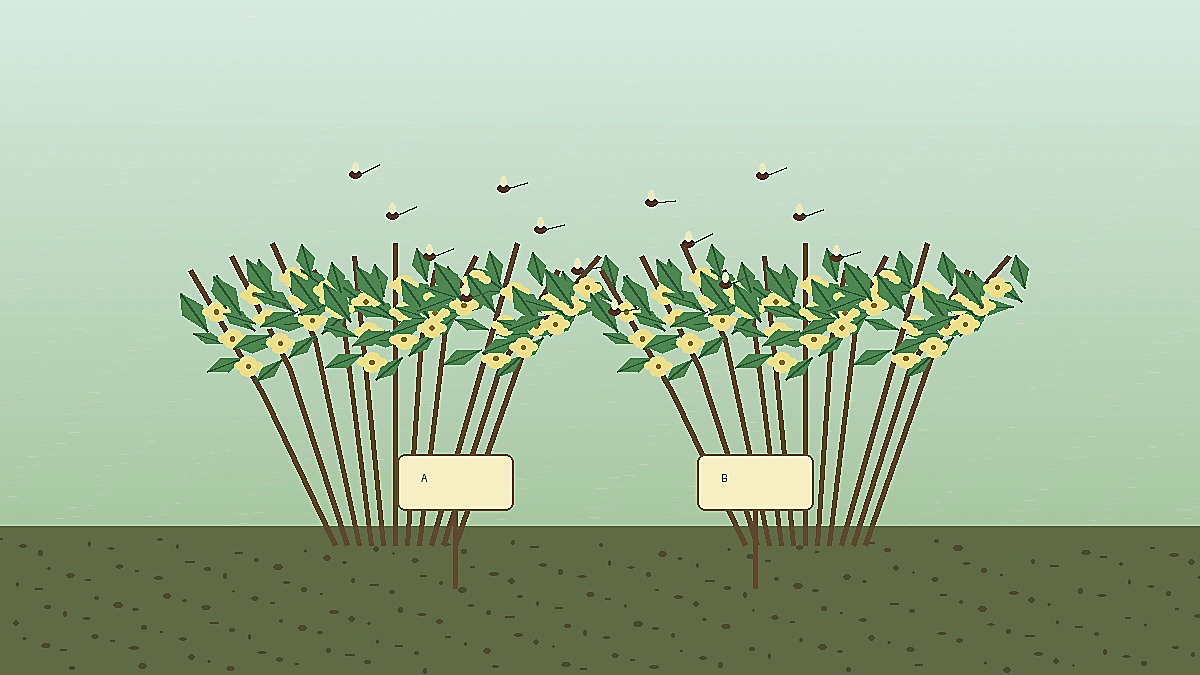
Honeyberry flowers contain both male and female parts, but most cultivars need cross-pollination from a different, compatible cultivar to set a useful crop. Two varieties is the simple home-garden rule, and their bloom times need to overlap.
A pair sold for pollination is often the easiest purchase if the label names both cultivars. If you buy separately, choose plants from a nursery that can state which haskap varieties work together.
- space shrubs about 0.5-2 m apart depending on hedge or individual-bush training
- avoid relying on one large plant if fruit is the goal
- plant flowers for early bees nearby, but do not use flowers as a substitute for compatible varieties
- keep cultivar labels because replacement plants need to match the bloom window
Planting in the ground
Choose full sun in cool gardens and light afternoon shade only where summers are hot. Honeyberry tolerates cold far better than stagnant summer heat, so drainage, mulch and water access matter more than heroic winter protection.
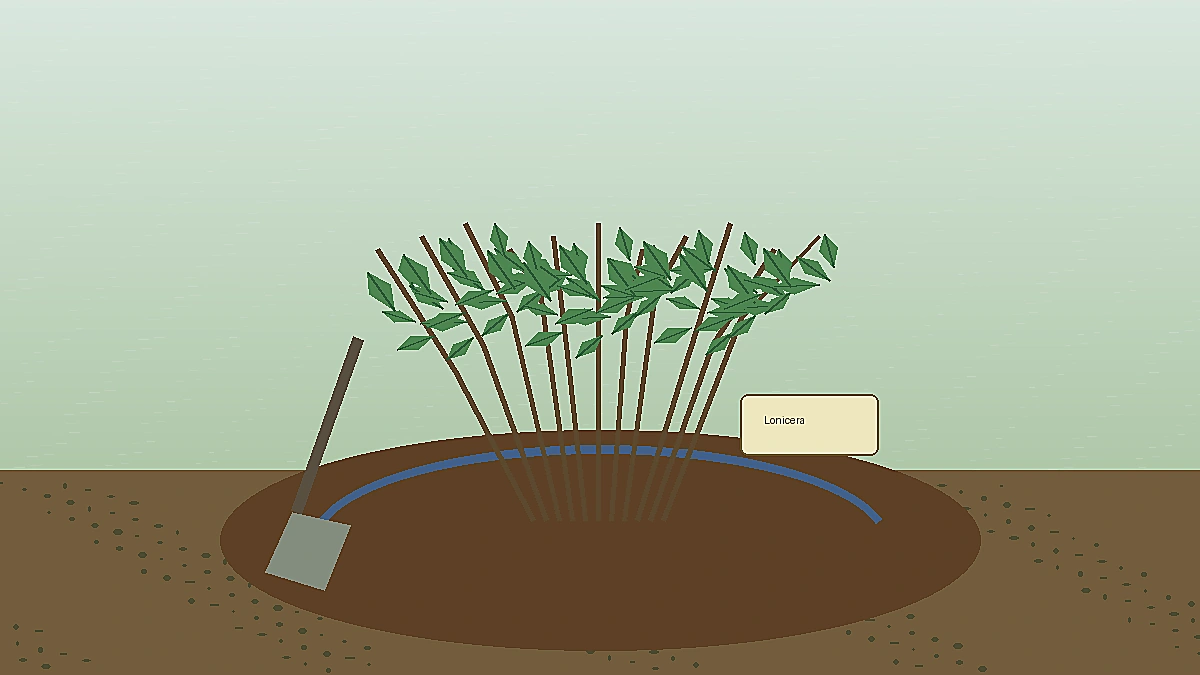
Plant in spring or early autumn into weed-free soil that holds moisture without sitting wet. Set the root ball slightly firm, water deeply, and keep grass away from young shrubs because their roots are shallow and dislike competition.
- add compost as a surface layer rather than burying strong fertilizer under the roots
- water deeply during the first two to three weeks
- mulch widely but leave a small open ring around the stems
- mark each cultivar at planting so future pruning and replacement choices stay clear
Season plan
- Late winter: remove broken wood and check that labels are still readable.
- Early spring: watch the first flowers and keep soil evenly moist during bloom.
- Late spring: install bird netting as fruit changes from green to blue.
- Harvest: taste several berries and check the inside before picking heavily.
- After harvest: water in dry spells and remove only damaged or crossing branches.
- Dormant season: prune older shrubs lightly if the centre has become crowded.
Growing honeyberry in a container
Honeyberry can grow in a container, but small decorative pots dry too fast. Use a large tub with drainage holes and enough soil volume to buffer hot days.
In exposed gardens, place containers where wind will not desiccate the shallow root zone. In severe winters, protect the pot itself so the root ball is not repeatedly frozen and thawed.
- use a loam-based mix with compost and free drainage
- grow two varieties in separate containers or a broad planter
- water before leaves wilt; wilting is already stress
- set containers where bird netting can be fixed without snapping branches
Water, feeding and summer care
The shrub is cold-hardy, but young plants are not drought-proof. Grass, weeds and a dry edge around the planting hole can slow a honeyberry more than winter cold does.
Use compost or well-rotted manure in spring. Avoid pushing soft late growth with heavy nitrogen late in the season, especially in climates where autumn arrives quickly.
- keep soil evenly moist while fruit is swelling
- weed around young shrubs until they are well established
- water the root zone deeply instead of sprinkling the surface
- watch for powdery mildew or sun scorch after harvest in warm, still weather
How to prune without losing fruit
For the first two or three years, pruning should be light. Remove dead, broken and crossing wood, then let the shrub build enough young branches to crop.
Older shrubs can be opened in winter by removing a few of the oldest stems low down. Hard pruning in active growth removes leaf area and can reduce flower buds for the next season.
- prune lightly during dormancy
- cut away stems lying damp on the ground
- keep the centre open enough for picking
- rejuvenate an old shrub gradually instead of cutting everything at once
Harvest, storage and use
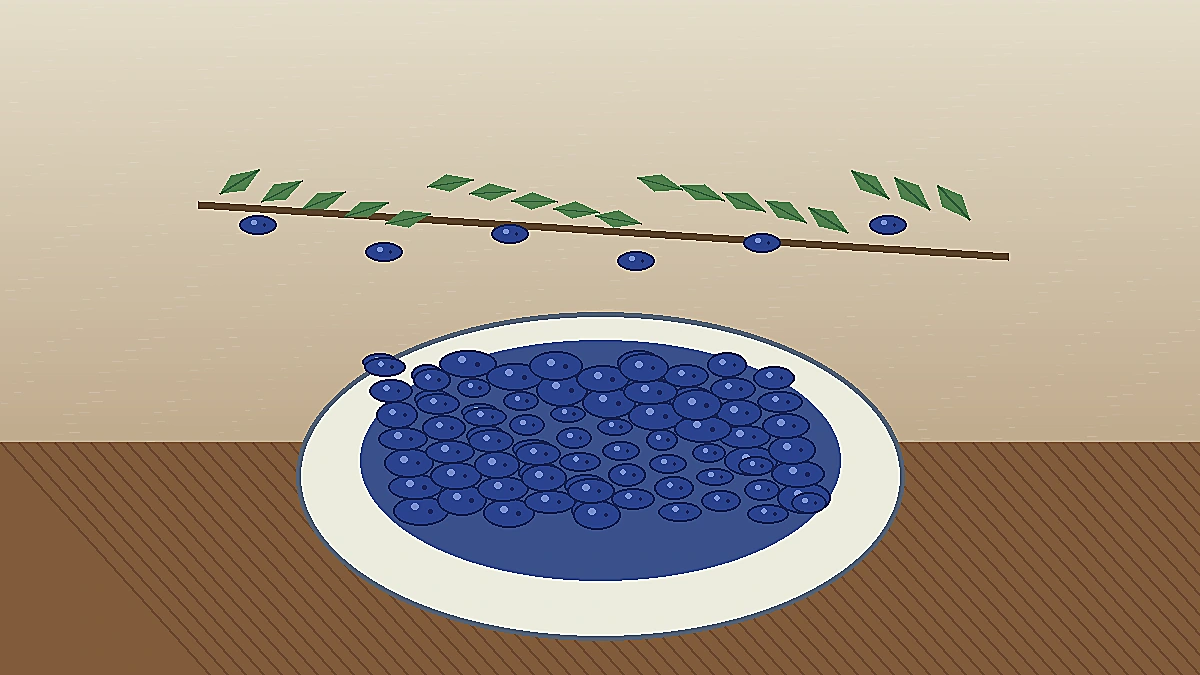
Honeyberries often turn blue before they are ripe. Wait, taste, and look for darker flesh inside the berry. If the inside is still greenish, the fruit will be sharper and less aromatic.
Birds may strip a bush before the fruit is ready for you. Use bird netting early, hold it away from the branches, and check it often.
- pick in the cool of morning
- refrigerate fruit soon after harvest
- freeze berries on a tray before bagging if you want loose fruit
- use them in jam, yogurt, smoothies, pies, sauces or juice
Common problems
Poor cropping usually comes from one of four causes: a single cultivar, a mismatched pollination partner, birds, or harvest before the flesh is ripe.
Powdery mildew can appear after harvest, especially in dense or stressed shrubs. It is rarely the first issue to solve; airflow, watering and removal of weak shoots usually matter more.
Safe use and realistic expectations
Honeyberries are colourful, nutrient-rich fruit, but they should be treated as food rather than medicine. A garden guide should help you grow and harvest them, not promise health outcomes.
Buy named edible Lonicera caerulea cultivars from a serious supplier. Anonymous honeysuckle plants can be ornamental, bitter or simply the wrong match for reliable fruit.
FAQ about honeyberry
Do I need two honeyberry varieties?
Yes. Plant at least two compatible varieties with overlapping bloom for dependable cross-pollination.
Can honeyberry grow in a container?
Yes, if the container is large, drained and easy to water. Bigger soil volume gives better moisture control than a small pot.
When are honeyberries ripe?
They are ripe when they have been blue for several days, taste less sharp and are darker inside.
How cold-hardy is honeyberry?
Established haskap plants are very cold-hardy. Young plants still need water, mulch and low weed competition while roots develop.
When should I prune honeyberry?
Prune lightly while dormant. In the first years, remove only dead, damaged and crossing branches.
How do I stop birds taking the crop?
Use bird netting before berries are fully blue, fix it tightly and inspect it often so wildlife cannot become trapped.