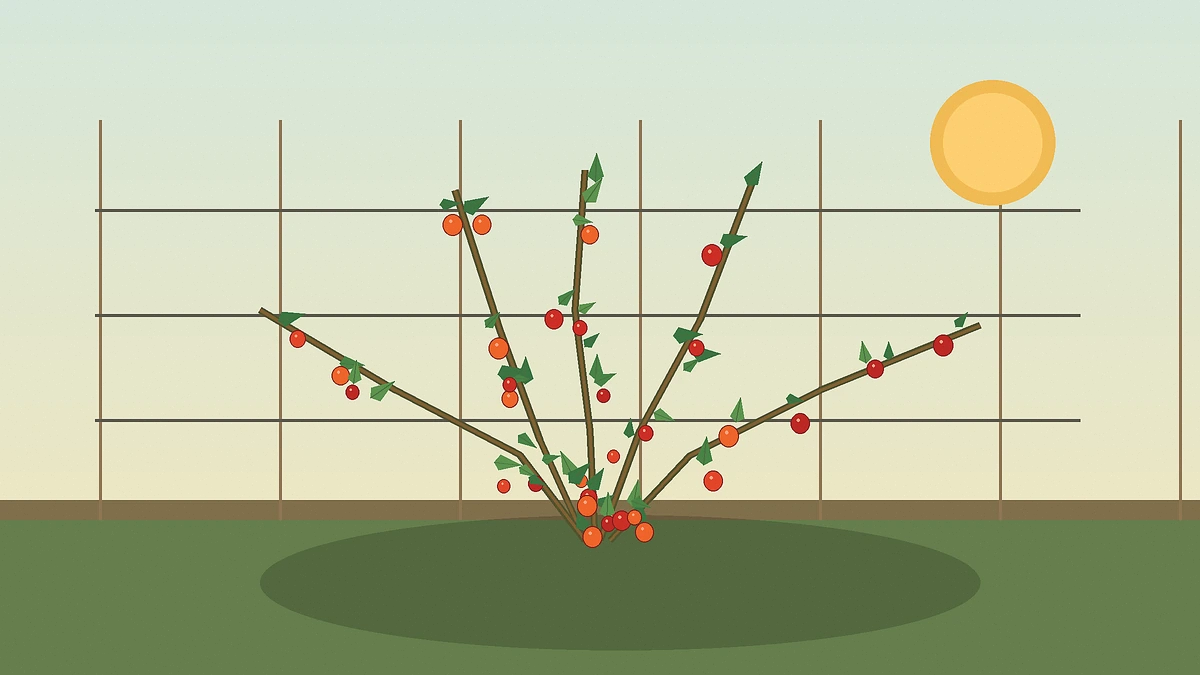
Place Goji berries where full sun, good airflow, wires or trellis for long shoots is realistic. The practical start is spring or early autumn in free-draining soil; small purple summer flowers; berries from late summer into autumn decides how much watering access, soil work and support you need.
Updated 28 May 2026
Quick facts
| Type | deciduous fruiting shrub in the nightshade family |
|---|---|
| Botanical name | Lycium barbarum |
| Height and spread | often 2-3 m high, wider if suckers are left |
| Flowering and harvest | small purple summer flowers; berries from late summer into autumn |
| Planting | spring or early autumn in free-draining soil |
| Placement | full sun, good airflow, wires or trellis for long shoots |
Character and best uses
For Goji berries, start with the actual job in the planting: useful growing with easy access to watering and harvest. Use full sun, good airflow, wires or trellis for long shoots only if water, soil and working access fit the routine you can keep.
Goji berries reaches often 2-3 m high, wider if suckers are left, so plan spacing, support and working access before growth becomes dense.
Goji berries can start from spring or early autumn in free-draining soil, but late cold, wind, heavy rain and dry spells should decide the actual timing more than the calendar date.
- Goji berries: useful growing with easy access to watering and harvest
- Goji berries: full sun, good airflow, wires or trellis for long shoots
- Goji berries: spring or early autumn in free-draining soil
Site checks
Set the spot for Goji berries after checking light, root depth, drainage and where water will come from. Full sun, good airflow, wires or trellis for long shoots may work, but wind and soil moisture decide the margin.
For Goji berries, watering, thinning and harvest need to fit the route you actually walk.
- Before Goji berries settles in, test whether the chosen place gives enough light, shelter and room to work.
- Use the first watering as a soil test for Goji berries; pooling, runoff or dust-dry edges tell you what to fix.
- Keep the working side of Goji berries open enough for a can, hose, secateurs or harvest basket.
- Before growth closes in around Goji berries, decide where old stems, spent flowers, fruit or containers will go.
Planting in the ground or a large container
Plan the start for Goji berries around this window: spring or early autumn in free-draining soil. For Goji berries, wait for workable soil, free drainage and a short forecast that will not undo the planting.
Use full sun, good airflow, wires or trellis for long shoots. Place Goji berries where water, soil and access work together. Remove deep-rooted weeds, crumble the surface without destroying structure, add mature compost only where the bed needs more organic matter, and water deeply afterwards.
After planting Goji berries, record where it went and what the first week was like: soil moisture, wind, nights and any early growth. Label Goji berries rows or containers so the variety and timing are still clear later.
Season plan
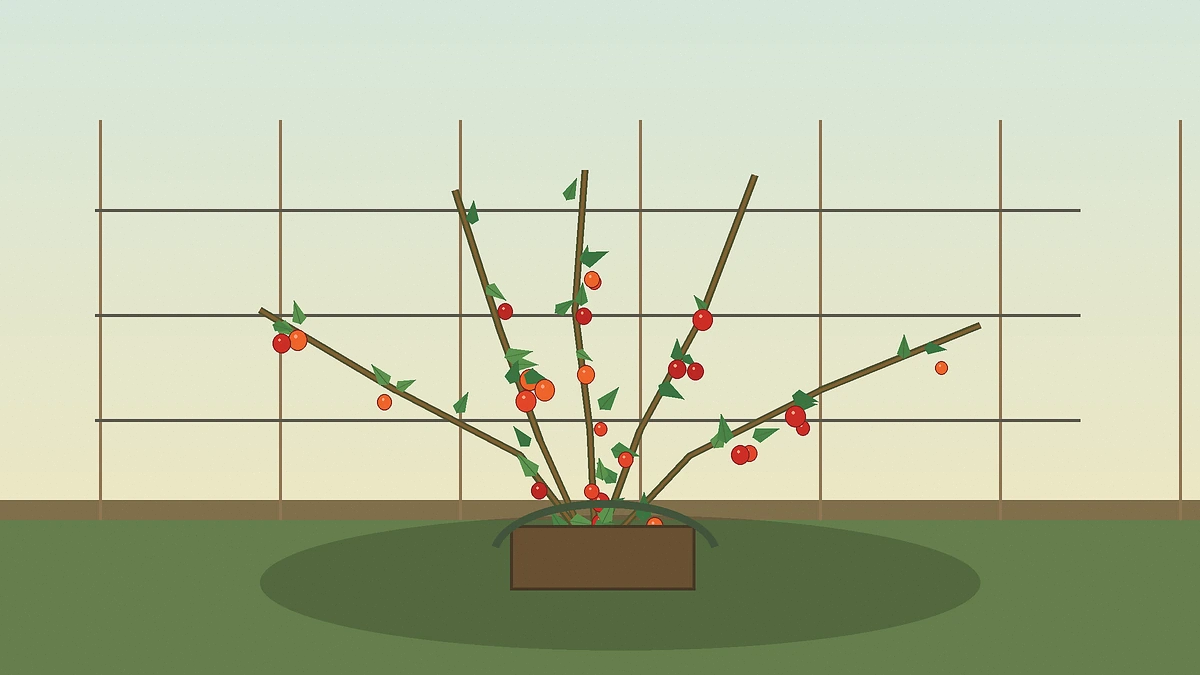
- Spring: prepare the soil and start Goji berries using the guidance spring or early autumn in free-draining soil.
- Early summer: keep Goji berries evenly watered while roots settle.
- Summer: watch Goji berries for growth, flowering or harvest timing.
- Late season: clear around Goji berries, harvest or prepare overwintering as needed.
Watering, feeding and summer care
Use summer rounds for Goji berries to check soil moisture, new shoots and leaves before stress becomes a rescue job.
Water Goji berries at root depth when needed, then deal with weeds, support or mulch while the plant is still easy to reach.
Keep one useful note for Goji berries: the place that ran short of water, the stem that needed support, or the spot you would change next year.
- water the root zone deeply rather than splashing the surface
- keep grass away from young plants
- remove stems that trail through damp soil
- wear gloves if spines develop on older shoots
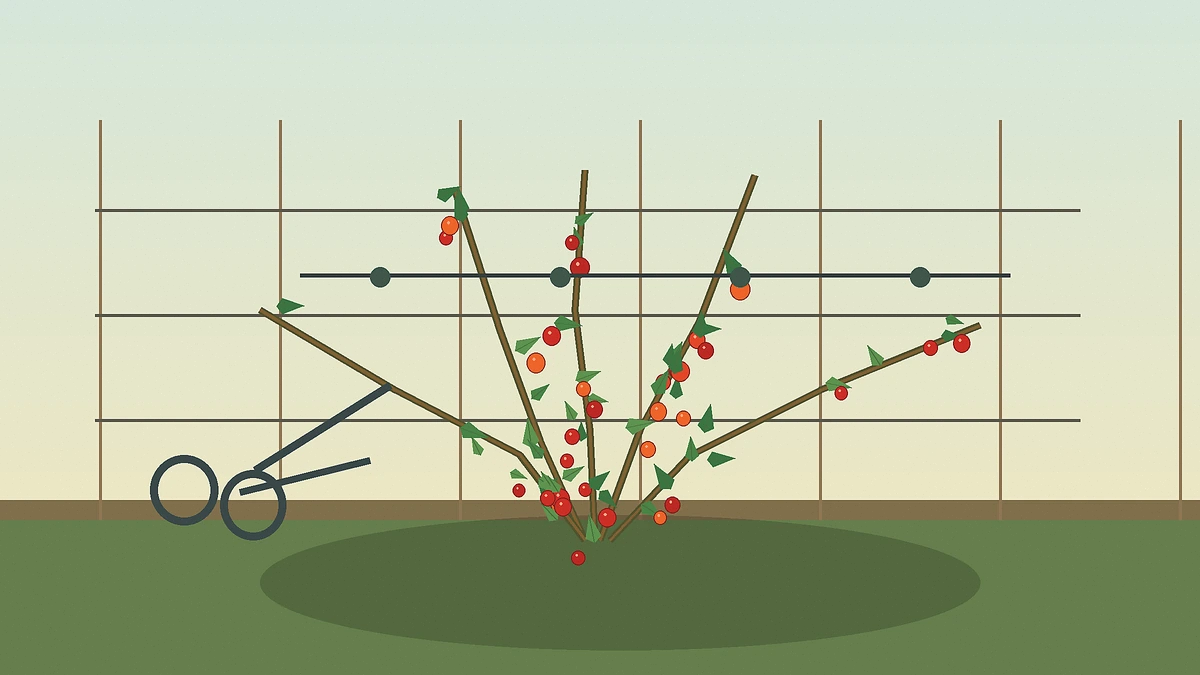
Pruning and managing suckers
Most setbacks with Goji berries come from a mismatch between roots, moisture and the amount of access you have during the first weeks.
- putting Goji berries out while the soil is still cold and nights are unsettled
- choosing too little root space or too tight a spacing for Goji berries
- watering Goji berries unevenly during establishment
- waiting too long to tie in, open up or harvest Goji berries
- letting diseased leaves, seed weeds or old plant debris build up around Goji berries
Harvesting, drying and use
Pair Goji berries with crops that share the same watering rhythm and harvest pace. Group plants you pick often, and keep vigorous neighbours away from anything easily shaded.
In a small garden, pair Goji berries with neighbours that solve the same practical job. Let one visible detail from Goji berries set the rhythm, then keep the rest of the bed quieter.
- planting Goji berries so tightly that airflow disappears
- watering Goji berries at the surface without reaching the root zone
- overlooking cold, wind or heat stress where Goji berries will grow
- placing Goji berries where support, paths or neighbouring plants will be hard to adjust later
Pests, disease and birds
Goji berries in practice: aphids often target soft new growth. Hose them off early or prune out a badly crowded shoot. Powdery mildew is more likely where stems are dense and air is still.
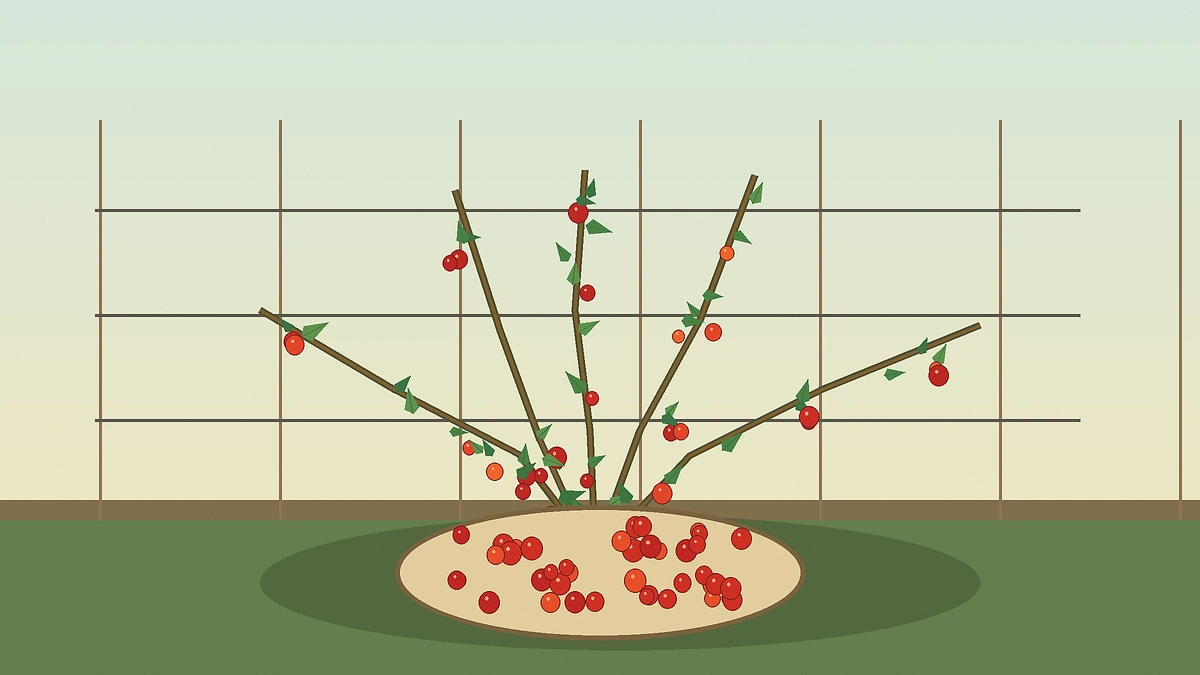
Birds notice ripe berries quickly. Place Goji berries where water, soil and access work together. Use taut, well-secured netting only while fruit is colouring, and check it often.
Place Goji berries where water, soil and access work together. If the plant spreads too far, deal with suckers rather than repeatedly shortening the top growth. The earlier you cut them, the cleaner the job.
Safe use and realistic expectations
Goji berries are often marketed as a nutrient-rich food, but garden success still comes down to sun, drainage, pruning and harvest timing.
Treat the crop as food, not medicine, and eat only fully ripe fruit. Place Goji berries where water, soil and access work together. If medication or a health condition makes new foods relevant for you, rely on medical advice rather than a gardening guide.
FAQ about goji berries
How long do goji berries take to fruit?
Let Goji berries follow spring or early autumn in free-draining soil as a guide, but wait if the soil is cold, waterlogged or drying faster than you can manage.
Do goji berries need a trellis?
Place Goji berries in full sun, good airflow, wires or trellis for long shoots with practical access for watering, weeding and any harvest or pruning it will need.
Can goji berries grow in containers?
Before Goji berries gets a permanent spot, check where the hose, basket and working path will be.
When are goji berries ripe?
Goji berries in practice: they are ripe when evenly red or orange, soft and easy to detach. Hard berries should stay on the plant.
How do I dry goji berries?
Place Goji berries where water, soil and access work together. Spread them in one layer with good airflow, or use a dehydrator on low heat until chewy.
Do aphids attack goji berries?
Goji berries in practice: aphids can cluster on soft shoots. Early washing, open pruning and good spacing usually keep damage manageable.