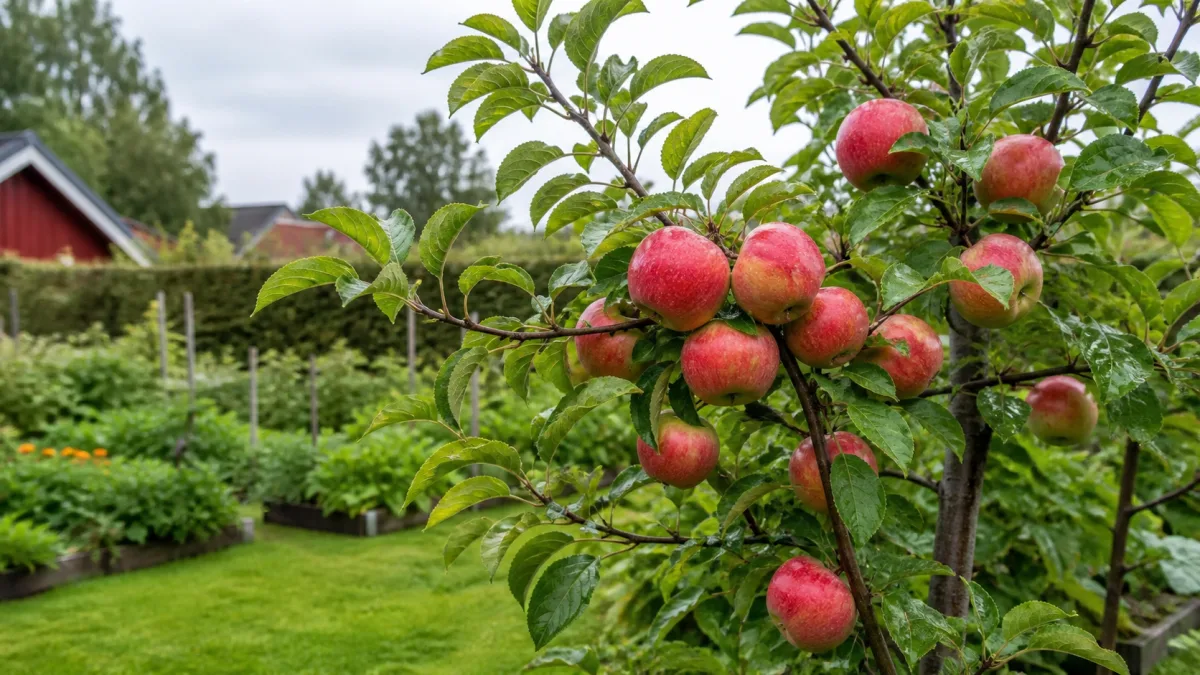
Apple trees performs best when the site is settled before you start: full sun, free-draining soil and room for the mature crown. Plan the start (once the soil is workable and the weather has settled) together with the main season (spring blossom, vulnerable to late frost) so watering, soil preparation, support and harvest are easier to manage.
Updated 28 May 2026
Quick facts
| Type | grafted fruit tree |
|---|---|
| Height | about 2-5 m in gardens, depending on rootstock |
| Flowering | spring blossom, vulnerable to late frost |
| Harvest | late summer to autumn, depending on variety |
| Pollination | most varieties need a compatible apple or crab apple nearby |
| Placement | full sun, free-draining soil and room for the mature crown |
Character and best uses
Apple trees is easiest to use well when it has a clear purpose: useful growing with easy access to watering and harvest. Treat full sun, free-draining soil and room for the mature crown as the starting point, then check soil, water and access before choosing the final spot.
At about 2-5 m in gardens, depending on rootstock, spacing, support and access matter from the beginning. It is easier to plan those details before the planting becomes dense.
Use this timing as the starting point: once the soil is workable and the weather has settled. In a garden, late cold, wind, heavy rain and dry spells often matter more than the calendar date.
- useful growing with easy access to watering and harvest
- full sun, free-draining soil and room for the mature crown
- once the soil is workable and the weather has settled
Checkpoints before you choose
Before choosing Apple trees, settle light, soil depth, drainage and access to water. Full sun, free-draining soil and room for the mature crown is the goal, but small differences in wind and soil moisture can decide the result.
In the kitchen garden, watering, thinning and harvest must be easy enough to do often.
- Check light and wind before choosing the position.
- Review soil depth, drainage and how reliably you can water.
- Plan support, container volume or path access before growth speeds up.
- Think through harvest, cutting, overwintering or clearing before the season gets busy.
How to plant apple trees step by step
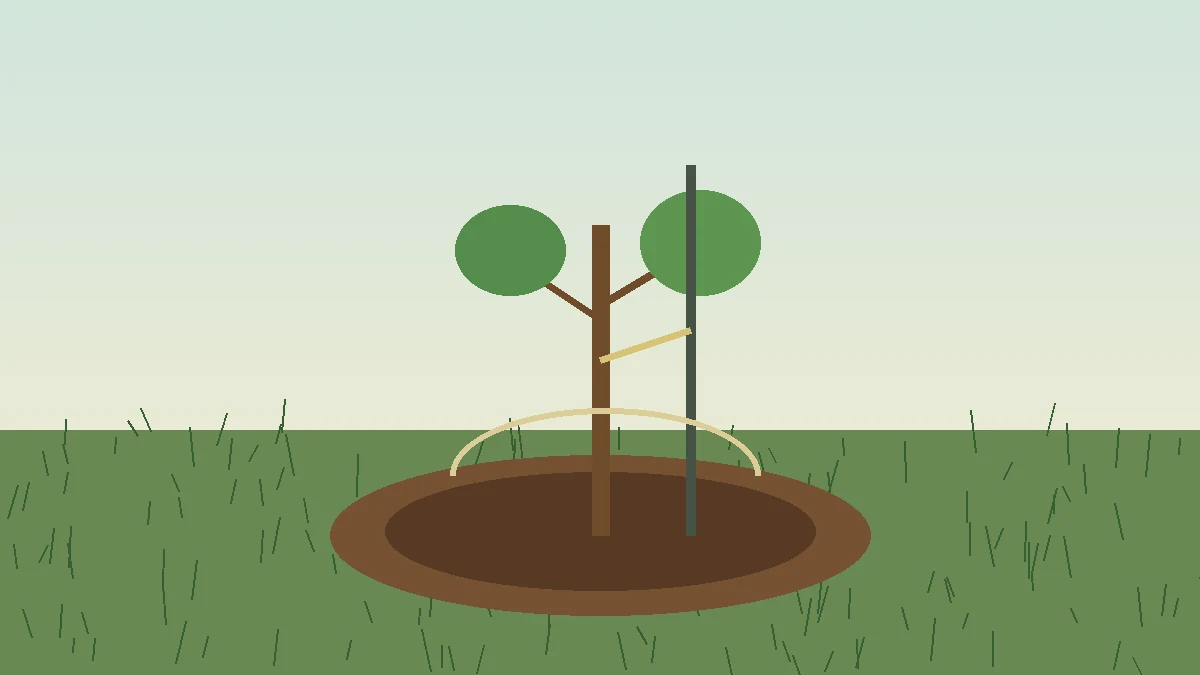
Start with once the soil is workable and the weather has settled. Prepare the soil or container first, and wait a few extra days rather than forcing growth into cold, wet or unstable conditions.
Use full sun, free-draining soil and room for the mature crown. Remove perennial weeds, loosen the soil, add mature compost where useful and water thoroughly after planting or sowing.
Label the spot and watch establishment closely. You will quickly see whether the plant needs more water, support, airflow or shelter.
Season plan
- Spring: prepare the soil and start Apple trees using the guidance once the soil is workable and the weather has settled.
- Early summer: water steadily while roots establish.
- Summer: watch growth, flowering or harvest closely.
- Autumn: clear, harvest or prepare overwintering according to plant type.
Care through the year
Summer care is mostly about steady follow-up. Check soil moisture, new growth and foliage after heat, wind and heavy rain.
Water deeply when needed, keep weeds away from young plants and adjust support or mulch before problems become large.
Keep short notes on what works in your garden. Those observations are often more useful next season than another general checklist.
- Water deeply in dry spells during establishment.
- Keep mulch clear of the trunk.
- Remove dropped fruit that may carry pests or disease.
- Protect young bark where chewing or sunscald is likely.
Pruning, thinning and fruit set
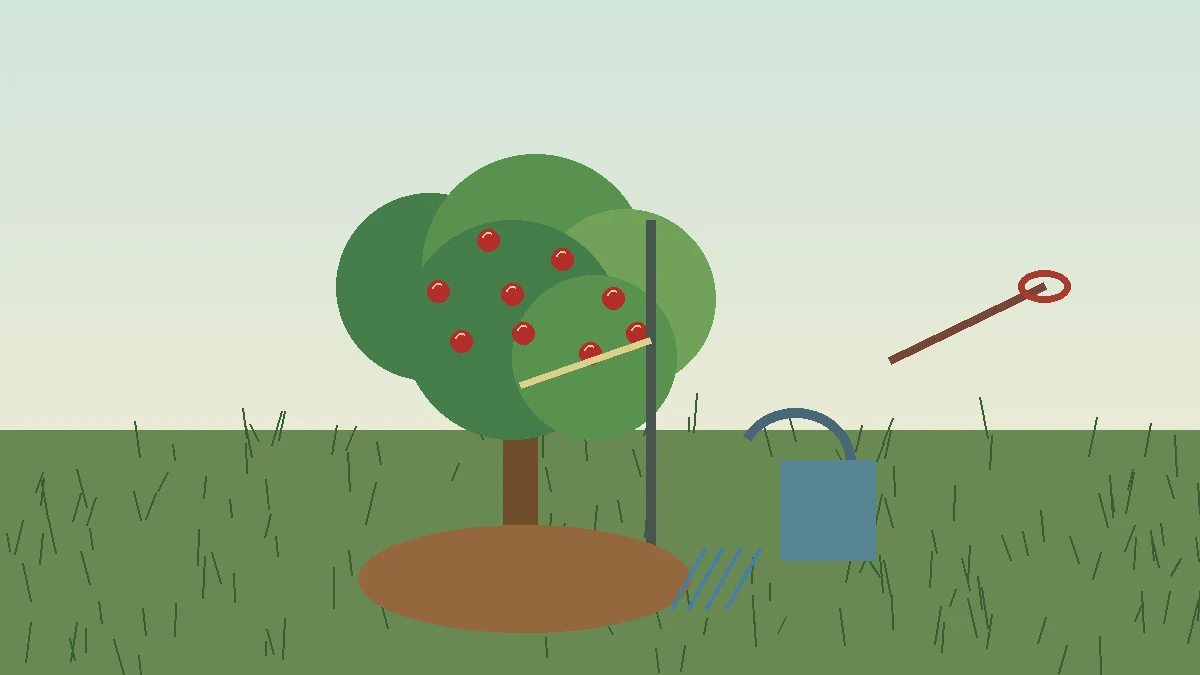
Most mistakes happen before the plant is well established. A simple check before planting prevents a lot of later work.
- starting before soil and night temperatures are suitable
- choosing too small a container or too tight a spacing
- watering unevenly during establishment
- forgetting support, thinning or harvest access
- leaving spent growth, weeds or old crops in place too long
How and when to harvest apples
Apple trees works best with neighbours that enjoy similar light, soil and water. That lets you manage care and watering together.
In small gardens, a few considered combinations usually work better than many unrelated single choices. Repeat colours, heights or leaf shapes for a calmer result.
Common mistakes to avoid
The common mistakes are practical: poor timing, the wrong site or too little follow-up just when the plant needs it most.
- burying the graft union
- choosing a tree too vigorous for the site
- forgetting pollination
- letting lawn compete with new roots
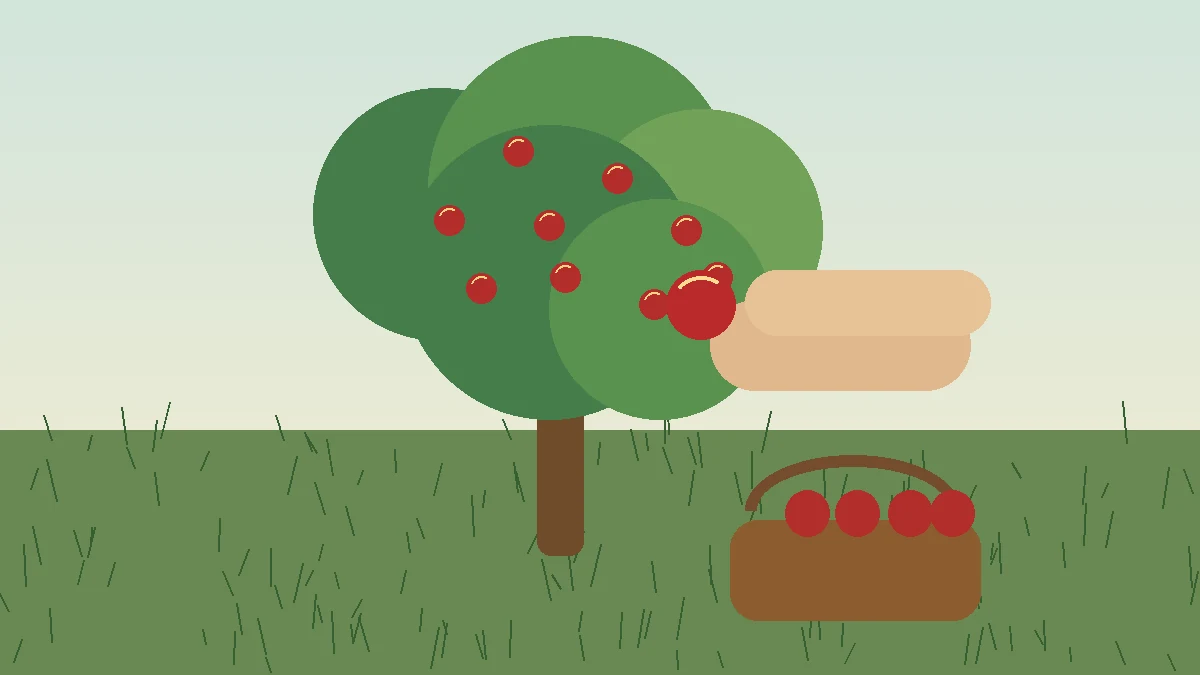
- waiting for frost instead of checking ripeness
FAQ about apple trees
When should I start Apple trees?
Use once the soil is workable and the weather has settled as the starting point, then adjust for weather and soil temperature where you garden.
Where should Apple trees be placed?
Choose full sun, free-draining soil and room for the mature crown, and make sure you can still reach the plant for watering and care through the season.
What is the most common mistake?
The most common mistake is choosing the position before checking soil, water and follow-up.
How this guide is made
This guide is written as independent cultivation content for practical garden planning. The advice is based on growing site, season, soil, watering, use and common mistakes, not on stock messages or campaigns from individual shops.